


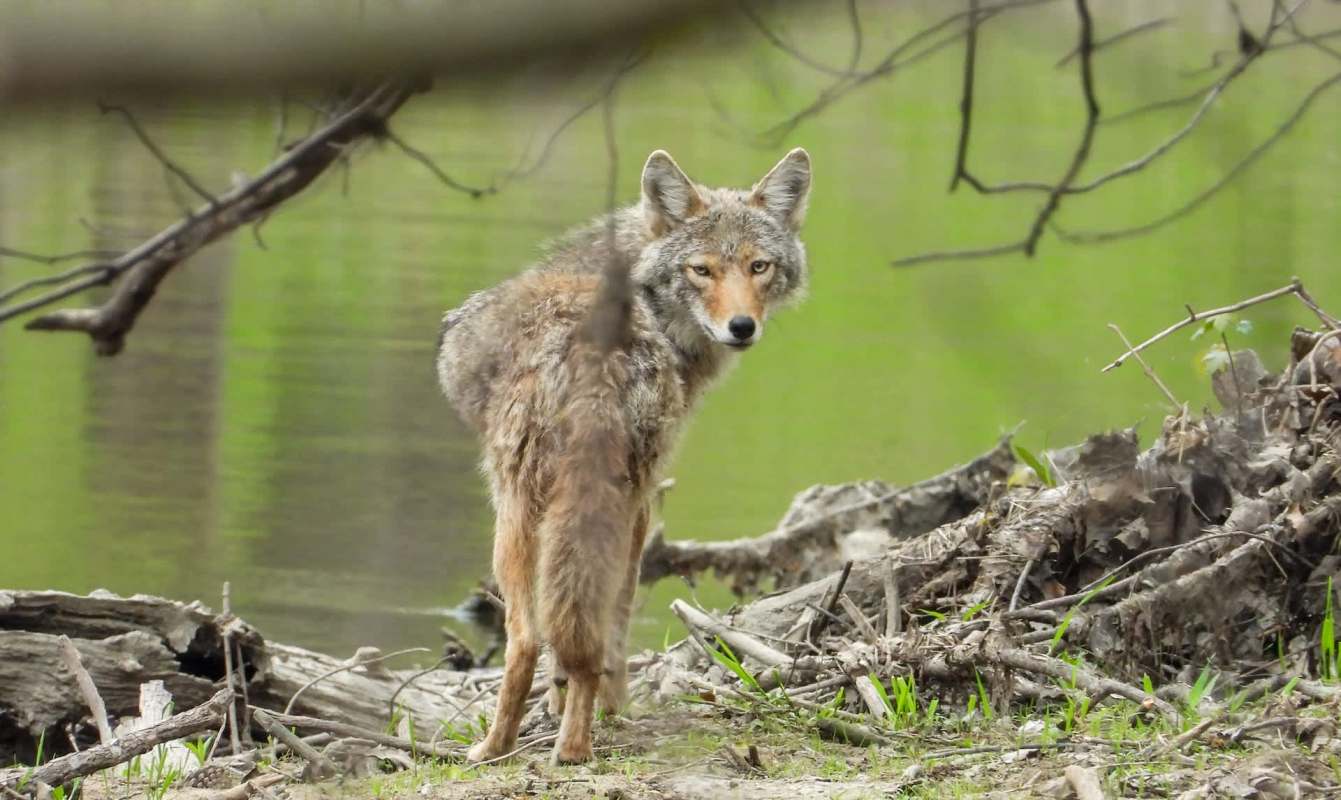
Ohio draws a clear distinction between taking a coyote and keeping one.
Animal of Things reported that Ohio allows coyote hunting year-round, with no season limits or catch limits, but that does not give residents the right to bring a live one home as a pet.
Most Ohio residents cannot legally own one because the state treats coyotes as free-ranging wildlife, not a pet you can adopt.
Here's what to know
Ohio places coyotes under the ODNR's Division of Wildlife as both furbearers and unprotected wild animals. Those labels make hunting and trapping rules relatively permissive, but they do not create a route for private pet ownership.
Live possession is allowed only in limited, regulated cases, including certain wildlife propagation, shelter, or rehabilitation permit situations. Those permits are intended for zoos, educators, and licensed wildlife professionals, not for people seeking a companion animal.
A person may legally hunt a coyote outdoors, yet keeping one alive at home or in a backyard is governed by a different set of wildlife laws.
TCD Picks » Quince Spotlight
💡These best-sellers from Quince deliver affordable, sustainable luxury for all




The state's rules reflect that coyotes are native predators with strong hunting instincts rather than domesticated pets.
More background
In 2011, then-Gov. John Kasich signed off on a law cracking down on dangerous exotic pets and venomous snake ownership after a high-profile animal release in the state drew national attention.
Because coyotes are not on Ohio's list of dangerous wild animals, the law can seem confusing. However, as Animal of Things noted, that omission is not a loophole for pet ownership; it means coyotes are regulated under wildlife law rather than the state's separate exotic-animal system.
Restricting private ownership can help prevent escapes, attacks on small pets, and situations in which untrained people try to manage a wild animal that requires specialized housing and handling.
Care for wild animals is intended to be provided by trained, licensed rehabilitators who are better prepared to protect both the public and the animals.
What can be done?
Hunting rules still do not authorize live possession. Animal of Things advised that anyone who finds an injured or abandoned coyote should contact ODNR or a licensed wildlife rehabilitator instead of trying to raise it at home.
Leaving coyotes in the wild helps maintain a healthier balance between native wildlife and human communities. That can lead to safer neighborhoods, fewer animal welfare concerns, and a more responsible approach to handling Ohio's wild species.
Ohio's policy may seem counterintuitive, but the principle is simple: a species may be legal to hunt without being lawful or appropriate to keep in captivity. The same gap shows up in other states' exotic-pet rules, where what's legal to hunt or acquire and what's safe to keep at home don't always line up.

Get TCD's free newsletters for easy tips, smart advice, and a chance to earn $5,000 toward home upgrades. To see more stories like this one, change your Google preferences here.







