


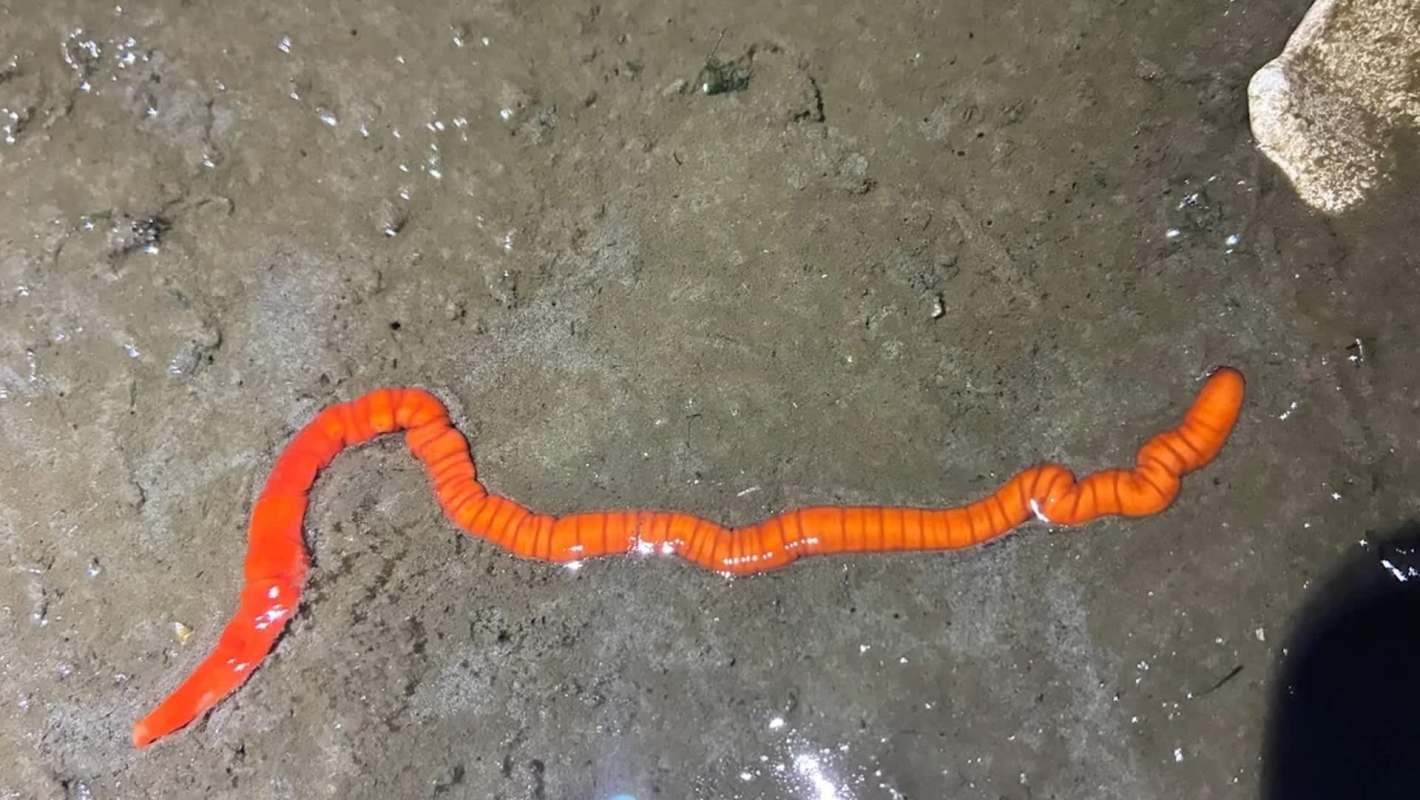
An ordinary low-tide search on Vancouver Island turned into a mini marine mystery when a Reddit user spotted a worm so bright and unusual it looked almost unreal.
Online, the sight quickly turned into a simple question of identification, with viewers wondering what kind of tide-pool creature could be neon orange.
Here's what to know
Help identifying the animal was requested in a post shared to Reddit after the user spotted the colorful worm along the Vancouver Island shoreline at low tide. The image in the r/whatsthisbug community shows an invertebrate with a striking, almost alien appearance.
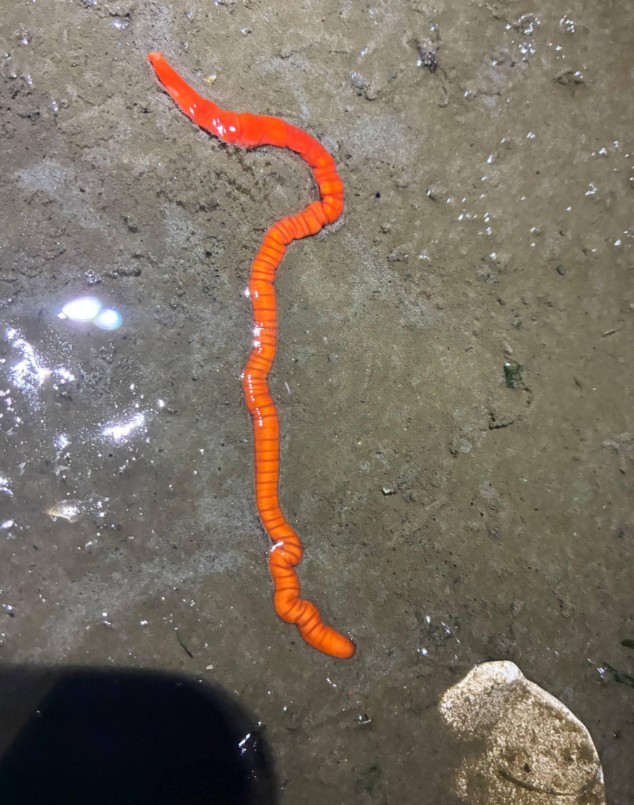
Commenters expressed shock at its vivid coloring. One Redditor remarked, "I thought this was a screenshot with bright red drawn on top of it … wow what a cool worm!"
Others offered suggestions on what this creature may be. One user commented, "Perhaps an orange/red ribbon worm? Tubulanus genus, probably."
More background
Marine worms can be far more colorful than people might expect, especially in intertidal zones, where animals have evolved unusual defenses, camouflage, and body shapes to survive shifting water levels, wave action, and predators.
TCD Picks » Quince Spotlight
💡These best-sellers from Quince deliver affordable, sustainable luxury for all




Tide pools and low-tide shorelines are also home to plenty of animals that can go unnoticed, including anemones, nudibranchs, crabs, and sea stars. But even overlooked species play important ecological roles, from breaking down organic matter to feeding fish and seabirds.
Human activity shapes encounters with wildlife in several ways, as the BBC has covered. For marine life, recreational beachcombing brings people into closer contact with unexpected creatures, while coastal development, pollution, and warming waters can all put pressure on the habitats these species depend on.
What can be done?
Tide-pool animals are often delicate, and even brief handling or moving rocks can damage them or expose them to heat and predators.
If you come across an unfamiliar creature, photographing it is usually the best first step. Local marine education groups, natural history communities, and species-identification forums can help people learn what they are seeing without putting the animal at greater risk.
As strange as some marine invertebrates may look, they are important members of coastal ecosystems and deserve to be observed with care.

Get TCD's free newsletters for easy tips, smart advice, and a chance to earn $5,000 toward home upgrades. To see more stories like this one, change your Google preferences here.






