


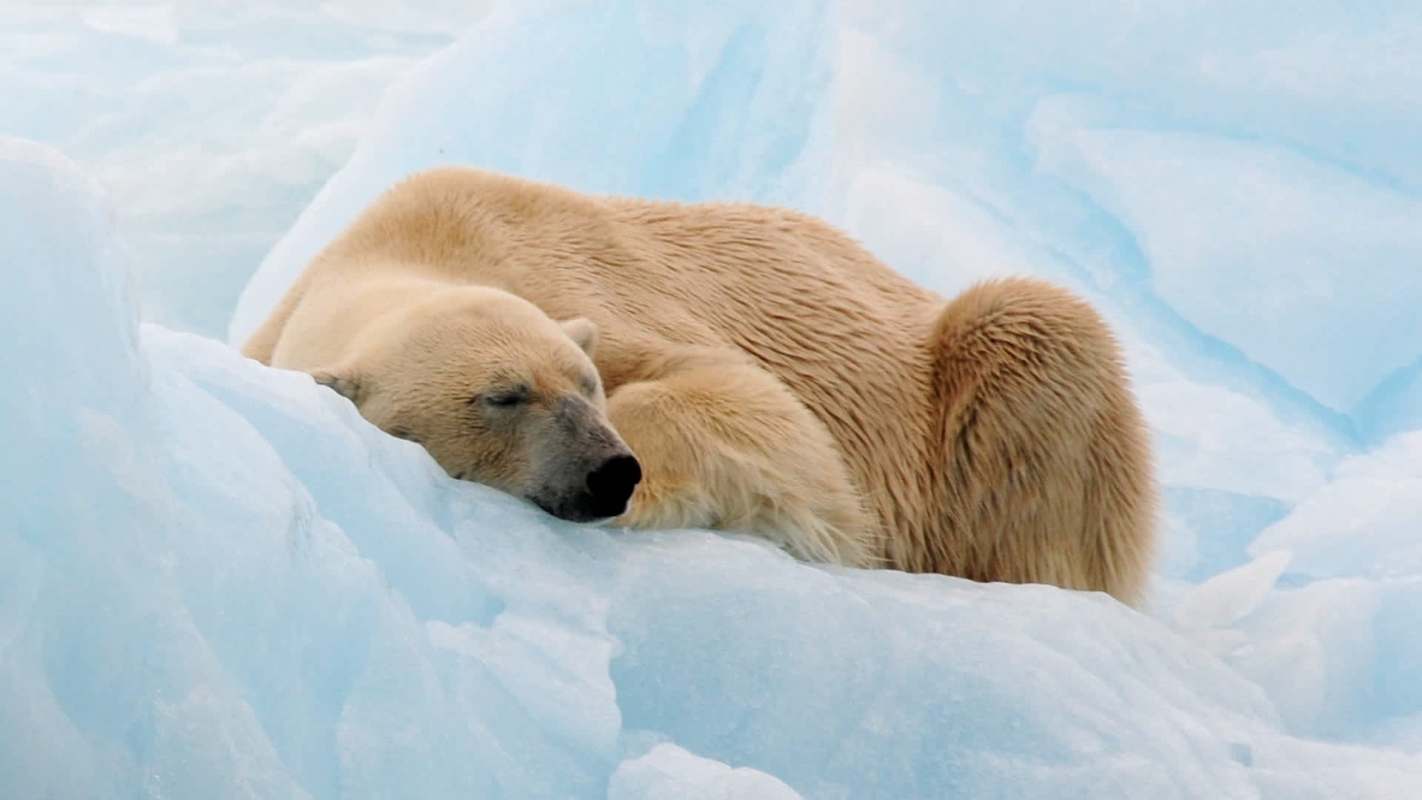
A $5,255 fine was imposed on someone aboard a vessel in Norway's remote Svalbard archipelago after they used a ship horn to wake a sleeping polar bear, according to CBS News.
Here's what to know
The bear was asleep on land in a fjord in northeastern Svalbard, about 620 miles from the North Pole, when an individual aboard the vessel sounded the ship's horn, local officials told CBS News.
Officials have not publicly released the person's name or nationality.
"A person on board then used the ship's foghorn, waking the animal, which moved to another location," the governor of the territory said in a statement.
The governor's office later ordered the individual to pay the steep fine, which the person accepted, CBS News reported.
Since 1972, polar bears have been a protected species in Svalbard, and local rules prohibit people from unnecessarily disturbing, luring, or chasing them.
TCD Picks » Quince Spotlight
💡These best-sellers from Quince deliver affordable, sustainable luxury for all




More background
Human-caused warming is putting increasing strain on the Arctic and its inhabitants.
Polar bears depend on sea ice to hunt and survive, and the loss of that ice has threatened their habitat.
Researchers are also keeping close watch on Svalbard's polar bears.
Scientists warned in January that the bears there appear to be adapting to smaller ice patches and are even "packing on the pounds," CBS News reported.
Norwegian Polar Institute senior scientist Jon Aars told the outlet that the bears appear to be managing well despite massive habitat losses, and described observing cubs as sea ice dwindled.
"I was quite surprised because we have lost so much sea ice since I started," Aars admitted.
The latest scientific estimate, conducted in 2015, put the archipelago's population at about 260.
Human interference can create risky situations and threaten wildlife.
What's being done?
The fine is one example of how the rules are enforced and work to prevent wildlife distress.
Those regulations also help protect the safety of local communities, guides, researchers, and visitors who share these remote spaces.
Respecting wildlife boundaries reduces the chances that an encounter will escalate into panic, injury, or a lethal outcome.
The case is a reminder that the Arctic is not a backdrop for entertainment.
As local regulations make clear, "it is forbidden to needlessly disturb, attract, or pursue a polar bear."

Get TCD's free newsletters for easy tips, smart advice, and a chance to earn $5,000 toward home upgrades. To see more stories like this one, change your Google preferences here.







