


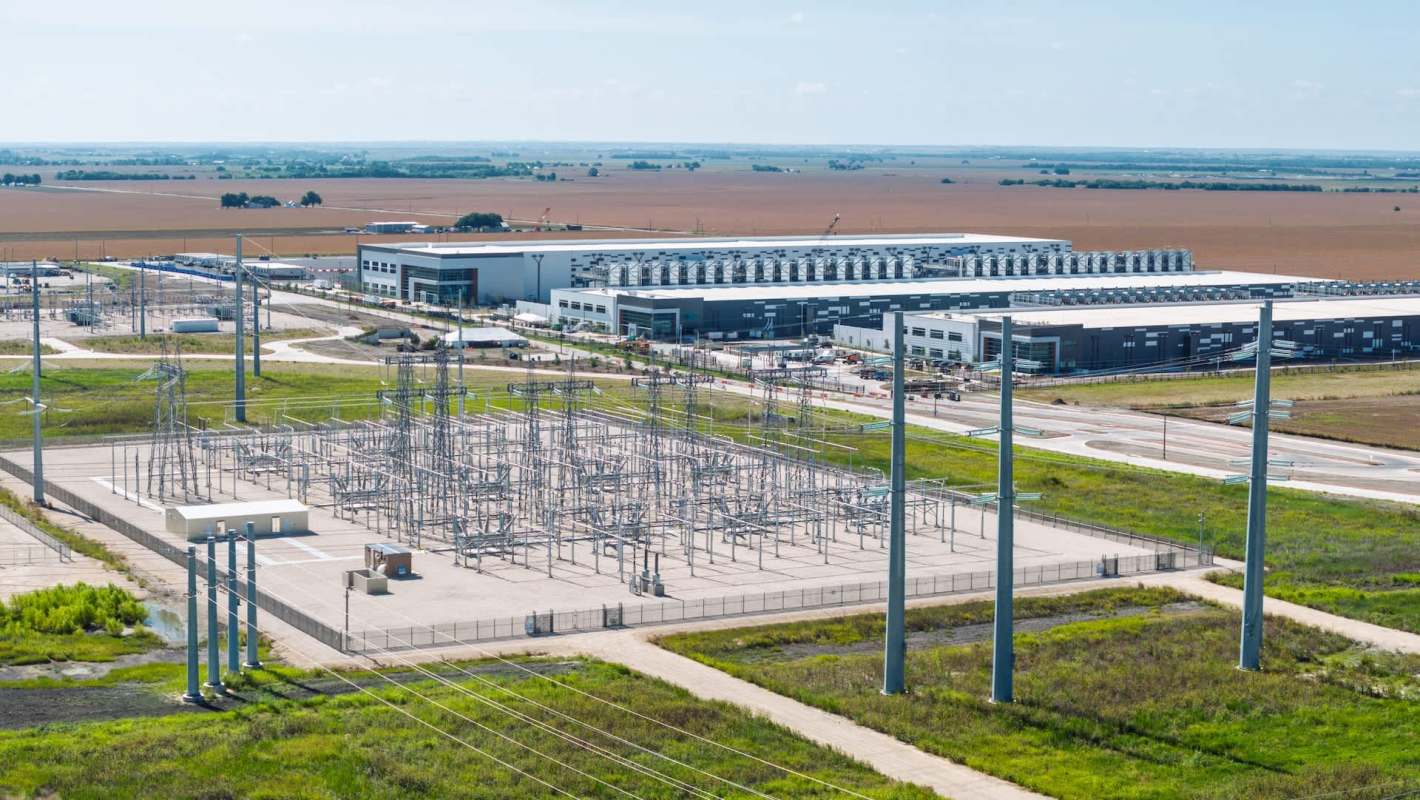
A Texas county's attempt to block a data center project unraveled almost immediately.
Hill County, located about two hours from Austin, adopted a one-year ban on data centers, but the developer sued, and county officials immediately rescinded the measure.
Here's what to know
According to Tom's Hardware, some AI data center developers are turning to the courts after local governments reject their projects or put bans and moratoriums in place.
Hill County became one of those cases when the developer claimed the county had no authority to impose a yearlong prohibition. The county withdrew the ban.
Across the country, fights like this are becoming a larger test of how far local governments can go in stopping energy-hungry computing facilities. Tom's Hardware reported that some lawsuits say officials exceeded their powers, while others argue the restrictions violate due process and equal protection rights.
John Crossley of law firm K&L Gates LLP told Bloomberg Law, as reported by Tom's Hardware, "If people just start to say, 'No, we're never approving data centers anymore,' especially in locations where they are needed and available, that's going to be a problem."
TCD Picks » Quince Spotlight
💡These best-sellers from Quince deliver affordable, sustainable luxury for all




Tom's Hardware also pointed to a separate lawsuit in Hawkins County, Tennessee, where a cryptocurrency mining company challenged the county's ban on data centers.
More background
AI is becoming increasingly tied to the electric grid.
Large data centers can support useful AI tools. At the same time, those facilities can consume enormous amounts of electricity and water, raise concerns about pollution and noise, and contribute to higher utility costs for nearby residents.
Tom's Hardware noted that Virginia now requires data centers to cover their own upstream power infrastructure after power prices in the PJM Interconnection region were reported to have jumped by as much as 76%.
Communities have also raised quality-of-life concerns. Tom's Hardware pointed to Meta facilities linked to water problems, businessman Elon Musk's Colossus data center facing air pollution allegations, and a Michigan project being sued over a constant noise residents described this way: "It sounds like someone set up a vacuum, like in your living room."
What's being done?
Some governments are moving away from blanket bans and instead pursuing stricter project conditions.
One Pennsylvania town laid out 43 conditions for a proposed data center, including rules on noise, lighting, air quality, water and electricity use, land use, taxes, and how the site would eventually be decommissioned.
At the federal level, even an administration pushing aggressive AI growth has sought some guardrails. Tom's Hardware reported that, despite backing rapid AI expansion, the administration also pushed AI hyperscalers, governors, utilities, and data center operators to sign a "ratepayer protection pledge," saying they will "pay their own way" on infrastructure.

Get TCD's free newsletters for easy tips, smart advice, and a chance to earn $5,000 toward home upgrades. To see more stories like this one, change your Google preferences here.






