


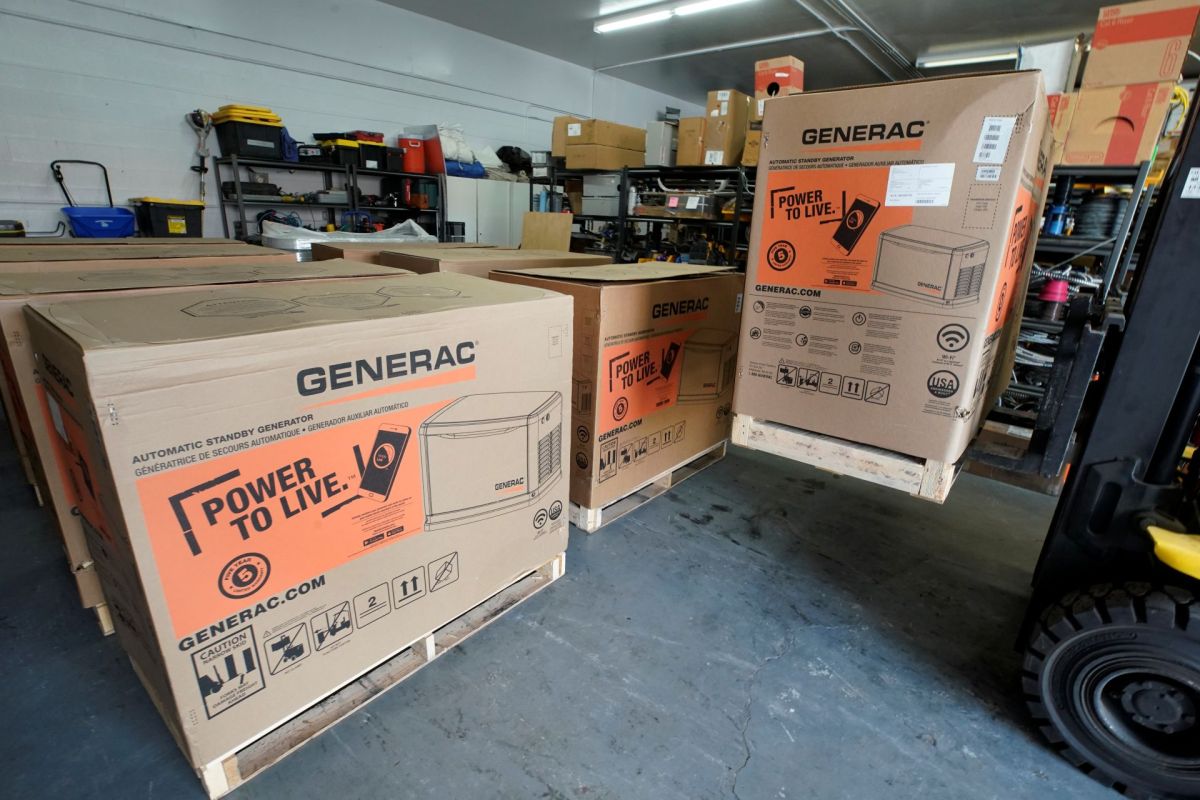
Generac is leaning further into one of the fastest-growing parts of the power market — data centers — as demand rises alongside AI and cloud computing.
The company says that business has reached $1 billion and that it plans to triple generator production capacity.
What happened?
Orders from data centers are pushing Generac to increase generator output as companies seek more systems that can keep operations running through outages and power fluctuations. The manufacturer is best known for backup power equipment.
According to the Milwaukee Business Journal, Generac expects its output capacity to reach about three times its current level.
Data centers are no longer a small corner of the commercial real estate world. They are a major source of electricity demand as companies build more computing capacity for artificial intelligence tools, streaming platforms, cloud storage, and other digital services people use every day.
The expansion reflects the growing role of backup power in that buildout as energy infrastructure scrambles to keep pace with digital demand.
TCD Picks » Quince Spotlight
💡These best-sellers from Quince deliver affordable, sustainable luxury for all




Why does it matter?
The data center boom doesn't just affect tech companies. These facilities power workplace software, online banking, telehealth, navigation apps, and the AI systems businesses are adopting.
That has created a complicated energy picture. AI can help utilities and businesses forecast demand, reduce waste, and integrate renewable energy into the grid. At the same time, AI-driven data centers can consume enormous amounts of electricity and water, raise concerns about cybersecurity and misuse, and contribute to higher energy costs.
Generac's growth sits squarely in the middle of that tension. Backup generators can improve reliability for critical digital infrastructure, helping prevent costly outages and service interruptions. But if those systems rely on fuel, they also pollute the air, especially as more facilities come online.
The rise of AI is reshaping manufacturing, utility planning, and the cost and reliability of electricity.
What's being done?
Companies across the energy and tech sectors are trying to address the reliability challenge in several ways, including by adding on-site backup power, investing in the grid, and using software to manage electricity demand.
Generac's plan to triple production capacity is one part of that response. It suggests customers want equipment available more quickly as projects move from planning to construction.
Utilities, policymakers, and developers are also under pressure to pair growth with smarter energy decisions, including cleaner power sources, stronger transmission systems, and efficiency upgrades that reduce strain on the grid.
The AI buildout has already influenced electricity rates, infrastructure spending, and resilience planning across many regions.
Generac's planned expansion shows how quickly the power demands of the digital economy are changing. With generator production set to scale up, the company is betting that reliable electricity will remain central to the AI era.

Get TCD's free newsletters for easy tips, smart advice, and a chance to earn $5,000 toward home upgrades. To see more stories like this one, change your Google preferences here.







