


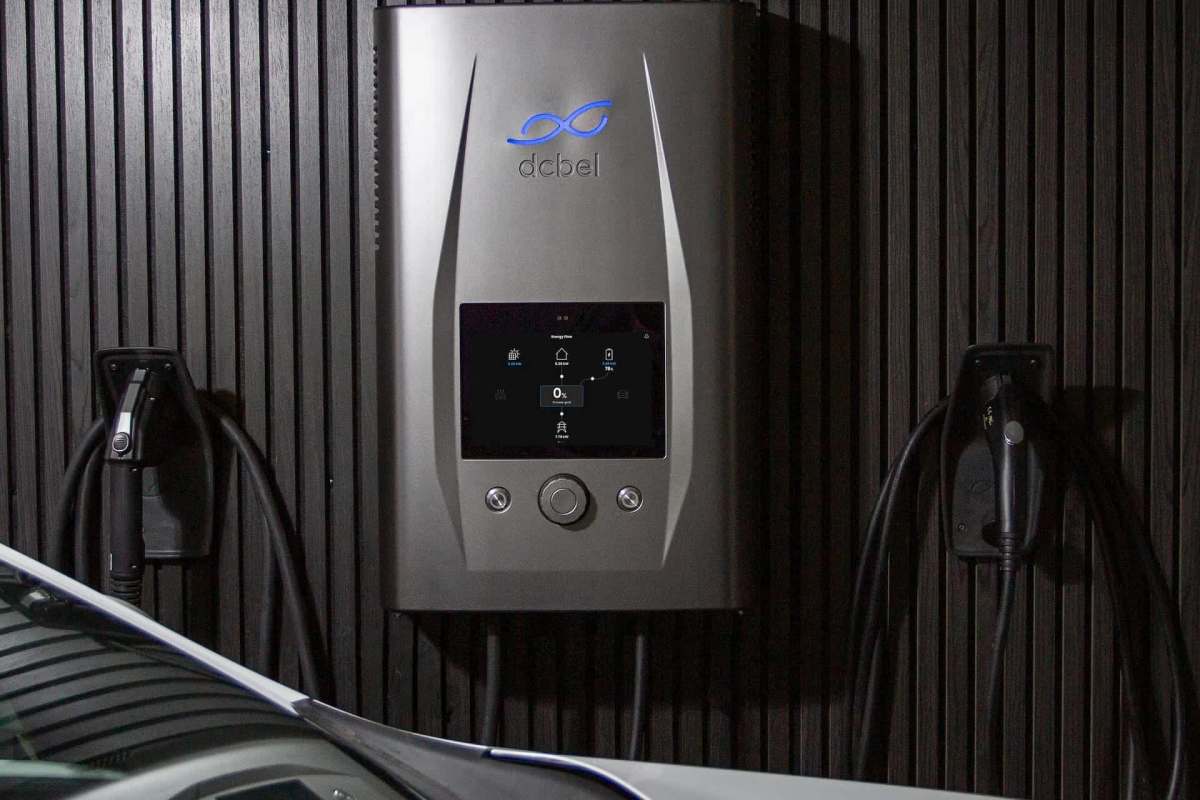
A new pilot program in Massachusetts could turn some electric vehicles into backup power sources for the home, all without homeowners having to pay for the charger itself.
For drivers with certain EV models, that could mean a free home energy station and a chance to lower power bills at the same time, as pv magazine detailed.
What's happening?
Bidirectional EV charging company dcbel announced in a press release that it's participating in a Massachusetts Clean Energy Center pilot exploring vehicle-to-everything (V2X) technology.
With this kind of setup, electricity does not move in only one direction, Instead an EV can draw power from the grid and also send stored energy back to the house when needed.
As pv magazine noted, qualifying homeowners can receive a fully subsidized dcbel Ara Home Energy Station at no cost if they agree to share charging data with MassCEC through Dec. 31, 2027.
Eligibility is narrow, per dcbel's announcement. Applicants must own or lease an approved Nissan Leaf from model years 2018-2025, a 2025 Polestar 3, or a 2025 Volvo EX90, and their home cannot already have solar panels or energy storage.
TCD Picks » Quince Spotlight
💡These best-sellers from Quince deliver affordable, sustainable luxury for all




MassCEC plans to roll out 100 bidirectional chargers across Massachusetts, though only about 50 to 60 of them are intended for single-family homes, pv magazine reported. Applications are open through September 2026 unless the available funding is used up first.
Why does it matter?
The program eliminates the upfront cost of advanced charging equipment and offers the possibility of energy savings. Through the program, dcbel said the Ara system can save Massachusetts homeowners "up to $1,300 per year."
That potential value comes from more than simply charging an EV. A bidirectional charger can help a household use stored battery power strategically, potentially reducing electricity costs during peak periods and providing added resilience during outages or periods of grid stress.
"Ara helps transform a bidirectional EV from a vehicle into a central part of the home's energy mix, giving families a smarter way to manage power, prepare for outages, and increase their energy independence," said Duc Duy Tran, Sales Lead at dcbel, in the release.
The pilot also serves as a test of whether EVs can play a bigger role in the energy system. If enough vehicles can deliver power where it is needed, they could help maintain grid reliability while easing pressure during peak-demand periods.
The pilot is a real-world test of whether an EV sitting in the driveway can also function as an energy tool for the home, and potentially help its owner lower bills or earn compensation.
What's being done?
Public funding for the pilot is coming through the Healey-Driscoll Administration's Electric Vehicle Infrastructure Coordinating Council, pv magazine noted.
The outlet noted that the council received $6.3 million from Massachusetts' broader $50 million pool of federal American Rescue Plan Act funding, which the state is using for EV infrastructure efforts, including this pilot.
Participants are also encouraged to enroll in ConnectedSolutions, Connected Homes, and Clean Peak. Those programs may pay homeowners if they let their utility manage the dcbel charger at certain times, per pv magazine.
In practice, that means eligible drivers could stack benefits through a free installation, possible annual savings, and additional payments for participating in grid-support programs.

Get TCD's free newsletters for easy tips, smart advice, and a chance to earn $5,000 toward home upgrades. To see more stories like this one, change your Google preferences here.






