


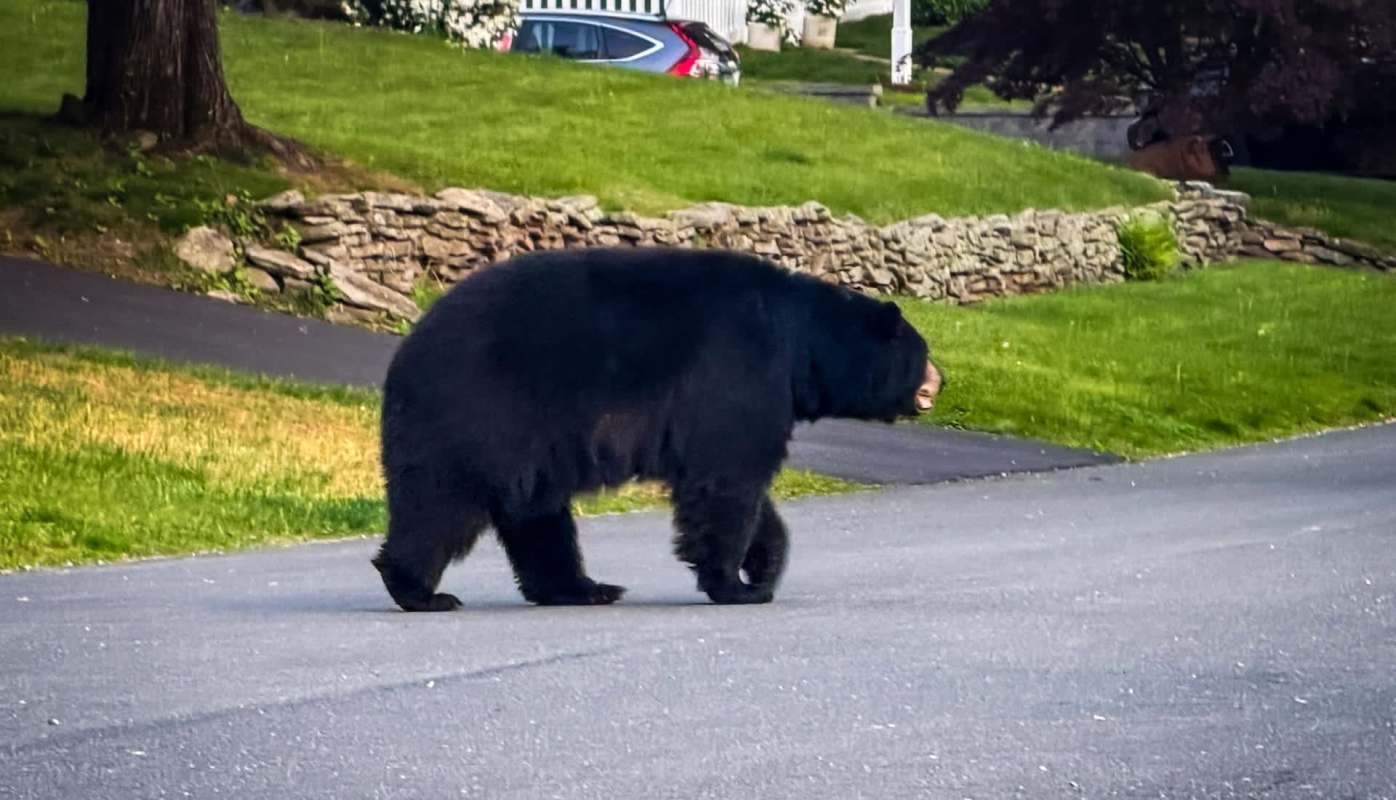
Amid reports of black bears moving through a neighborhood in Ocoee, Florida, residents are paying closer attention when they are outside.
Worry has grown because the animals have been spotted not just near homes, but also around a community park where children and families spend time, WFTV reported.
What happened?
In the Arden Park neighborhood, residents say one bear — and possibly two — have been seen in the largely residential area.
That has made ordinary neighborhood activity feel more tense for some people, who now have to consider the possibility of encountering a large wild animal nearby.
The report indicated that the sightings included areas around both houses and the local park, a detail that has added to concerns among parents and others who use those shared spaces.
According to WFTV, the Florida Fish and Wildlife Conservation Commission said a bear being seen in a neighborhood typically is not, by itself, a reason to trap and relocate it.
TCD Picks » Quince Spotlight
💡These best-sellers from Quince deliver affordable, sustainable luxury for all




The agency instead advised residents to secure anything that could attract bears and to keep their distance. Nevertheless, locals were unsettled.
"I mean, there's two more. There's one of them in the park," one said.
Why does it matter?
The sightings fit a broader pattern in Florida and other fast-growing areas, where continued development is pushing closer to wildlife habitat.
Even places residents think of as fully residential can become part of a bear's path when forests and open land are broken up or replaced, sending animals through streets, yards, and parks.
Another part of the problem is what bears can find around homes. As WFTV reported, unsecured garbage, pet food, and bird feeders can attract them into neighborhoods.
Neighborhood bear activity is influenced by where communities expand and by how food waste is handled.
That overlap can create safety concerns for both people and animals. Bears that become used to easy meals near homes may continue returning, increasing the risk of tense encounters. Easy access to food also reduces bears' fear of humans, which leads to eventual euthanasia.
An in-depth BBC Future report explained that habitat pressure and human food sources can create more dangerous contact between people and wild animals.
What can I do?
A good first step is to remove easy food sources by securing garbage in sturdy containers, bringing in pet food, and taking down or closely managing bird feeders if bears are active in the area.
It also helps to reduce other food-related temptations. Small changes around the home can make a neighborhood less appealing to wildlife searching for an easy meal.
If you do see a bear, wildlife officials generally advise keeping a safe distance and giving it plenty of space. Parents may also want to keep a closer watch on children and pets outdoors when bears have been reported nearby.
These steps can reduce the chances that a passing bear stays in the area or returns.

Get TCD's free newsletters for easy tips, smart advice, and a chance to earn $5,000 toward home upgrades. To see more stories like this one, change your Google preferences here.







