


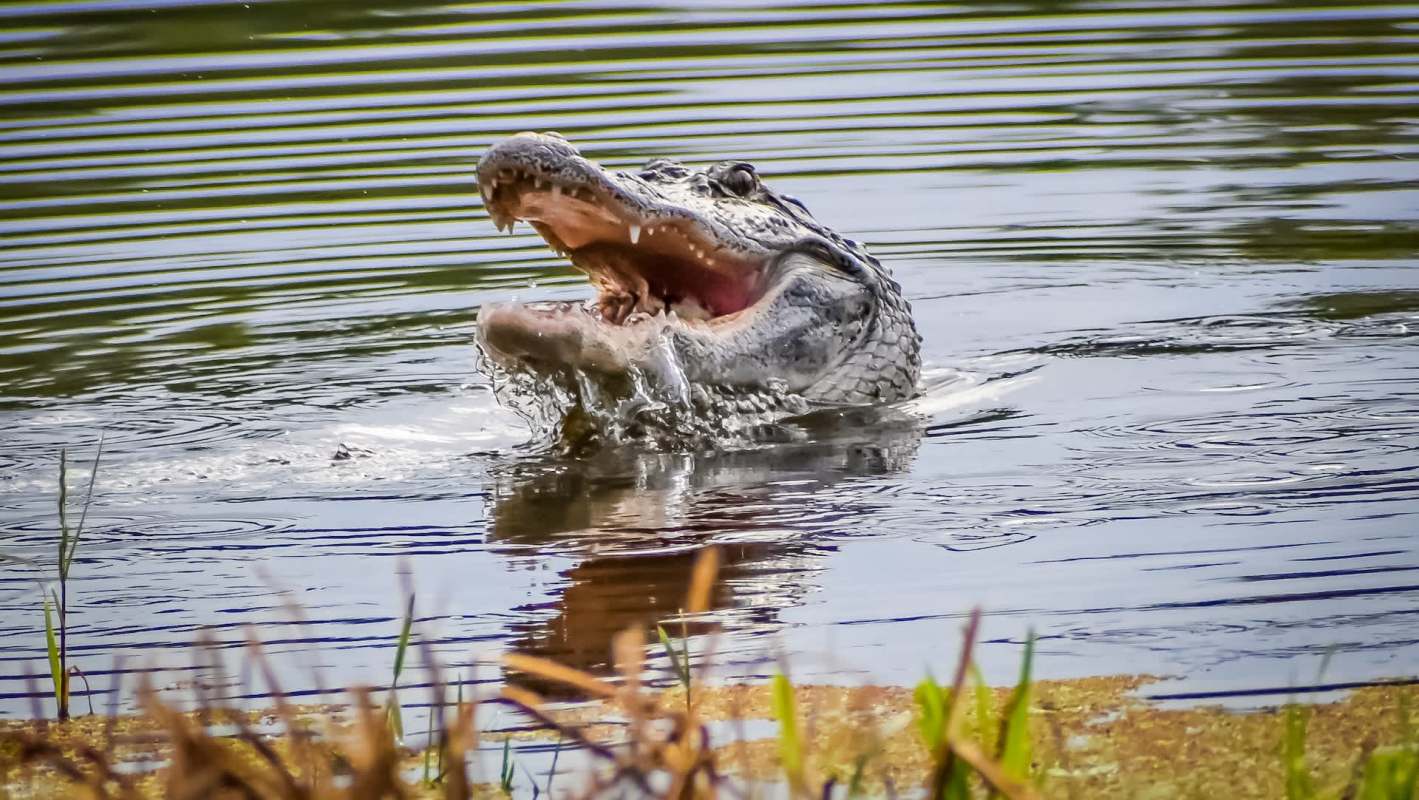
A woman suffered life-altering injuries in an alligator attack on the Silver River near Ocala, one of Florida's best-known waterways, prompting nearby boaters to rush in and help.
During the rescue, a rope was turned into a makeshift tourniquet, The Daily Beast reported, citing Fox 35 Orlando.
What happened?
While swimming with others in the river Saturday, the woman noticed an alligator coming toward the group.
She tried to fend it off with a paddle, but the animal seized her right arm and pulled her underwater.
John Gamache, a boater who was having lunch on the water with his father, quickly moved toward the swimmers, per Fox 35.
His approach appears to have driven the gator away, after which he helped the injured woman and improvised the tourniquet.
TCD Picks » Quince Spotlight
💡These best-sellers from Quince deliver affordable, sustainable luxury for all




Gamache and his father brought the other swimmers and children onto the boat. They then took the group to a boat launch, where paramedics took over, Fox 35 reported.
Wildlife officers removed the 9-foot, 8-inch alligator, and the area reopened Sunday.
The outlet noted the woman was released from the hospital and was recovering at home, according to her family.
Why does it matter?
In places where rivers, springs, and wetlands overlap with popular swimming and boating spots, people and wild animals can find themselves in dangerously close quarters.
The BBC took a close look at why wild animals attack humans, noting that many attacks happen because human activity expands into or intensifies in animal habitat.
In this case, the alligator was in its natural environment while swimmers were using the same space for recreation.
An attack involving a wild animal can lead to disability, trauma, medical costs, and emotional consequences for an entire family or community.
What's being done?
Wildlife officers responded by removing the alligator involved, a step officials often take after an attack to reduce the risk of another one.
Fast thinking by Gamache and his father helped get the woman out of the water, protect the rest of the group, and stabilize the injury until paramedics could take over.
In remote outdoor settings, those first few minutes can determine whether someone survives.
"It was a terrible injury, bones poking out, blood everywhere," Gamache said. "Obviously, the minutes mattered."

Get TCD's free newsletters for easy tips, smart advice, and a chance to earn $5,000 toward home upgrades. To see more stories like this one, change your Google preferences here.







