


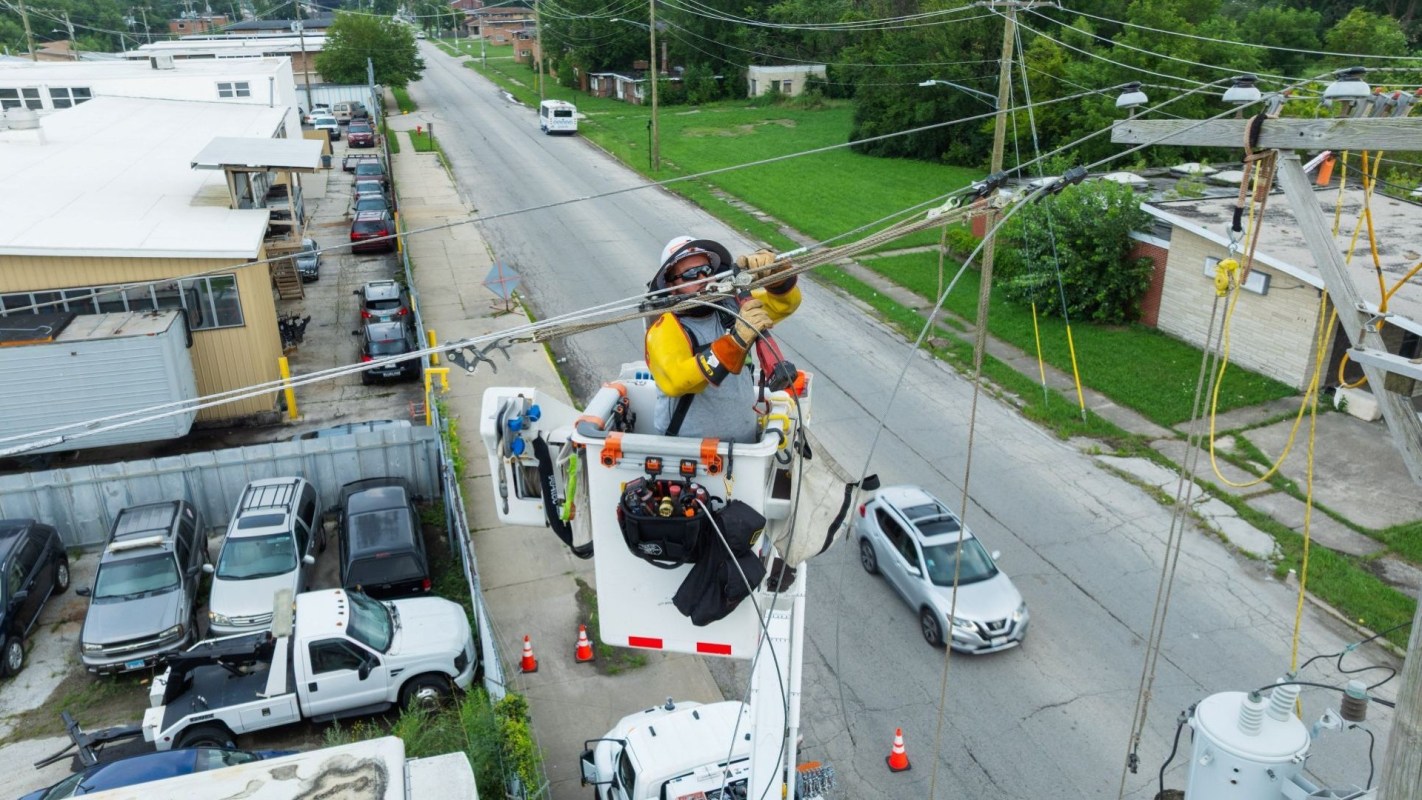
More than half a million electricity customers in the Chicago area and northwest Indiana lost service after a severe storm swept through, causing property damage, downed trees, and major disruptions across the region.
The storm system also produced at least two confirmed tornadoes, along with destructive winds, heavy rain, and widespread public safety concerns.
What happened?
According to NBC Chicago, the storm line entered Illinois from Iowa and crossed the state with damaging winds. It prompted multiple tornado warnings, and at least two tornadoes were later confirmed.
As of 7:45 p.m., more than 194,000 ComEd customers and just above 290,000 NIPSCO customers still did not have electricity.
As of just before 1 p.m., outage figures had shown more than 280,000 ComEd accounts and over 280,500 NIPSCO accounts without power.
Among the Illinois communities hit especially hard were Homewood, Chicago Heights, Lansing, and Joliet, ComEd said.
TCD Picks » Quince Spotlight
💡These best-sellers from Quince deliver affordable, sustainable luxury for all




In northwest Indiana, Schererville police said the outage was so widespread that the entire town lost power, warning residents: "As of now, the entire town is out of power. We urge everyone to stay put and stay off the roadways, if at all possible."
Across the region, Tinley Park officials said roofs were blown off buildings and windows were blown in, while a house in Frankfort caught fire after wind pushed a power line onto it.
Gusts reached as high as 100 mph in parts of the region, and the severe weather also triggered ground stops at O'Hare and Midway airports.
Why does it matter?
Electricity is essential for refrigeration, medical devices, communication, traffic signals, and cooling systems, and prolonged outages can quickly become dangerous for families, older adults, and people with health needs.
TCD Picks » Quince Spotlight
💡These best-sellers from Quince deliver affordable, sustainable luxury for all
High winds, tornadoes, flash flooding, and downed power lines can injure residents, damage homes, force business closures, interrupt transportation, and leave workers without income.
The National Weather Service warned that torrential rain could cause flash flooding on roads and in low-lying areas, creating another serious hazard for drivers, homeowners, and emergency crews.
What's being done?
Power companies and local agencies were restoring service and surveying damage, while National Weather Service teams worked to verify tornado touchdowns and monitored ongoing flood risks.
Local officials also pushed safety messaging aimed at keeping residents off the roads and reducing the risk of injury from debris, blocked streets, and fallen power lines.
Checking utility outage maps and local emergency alerts can also help households stay informed about restoration timelines and changing conditions.
"911 lines are working properly and are for emergency calls only," Schererville police said.
The National Weather Service also warned, "Torrential rainfall may cause flash flooding of roads, low-lying areas, fields and basements, and cause rapid stream/creek rises."

Get TCD's free newsletters for easy tips, smart advice, and a chance to earn $5,000 toward home upgrades. To see more stories like this one, change your Google preferences here.







