


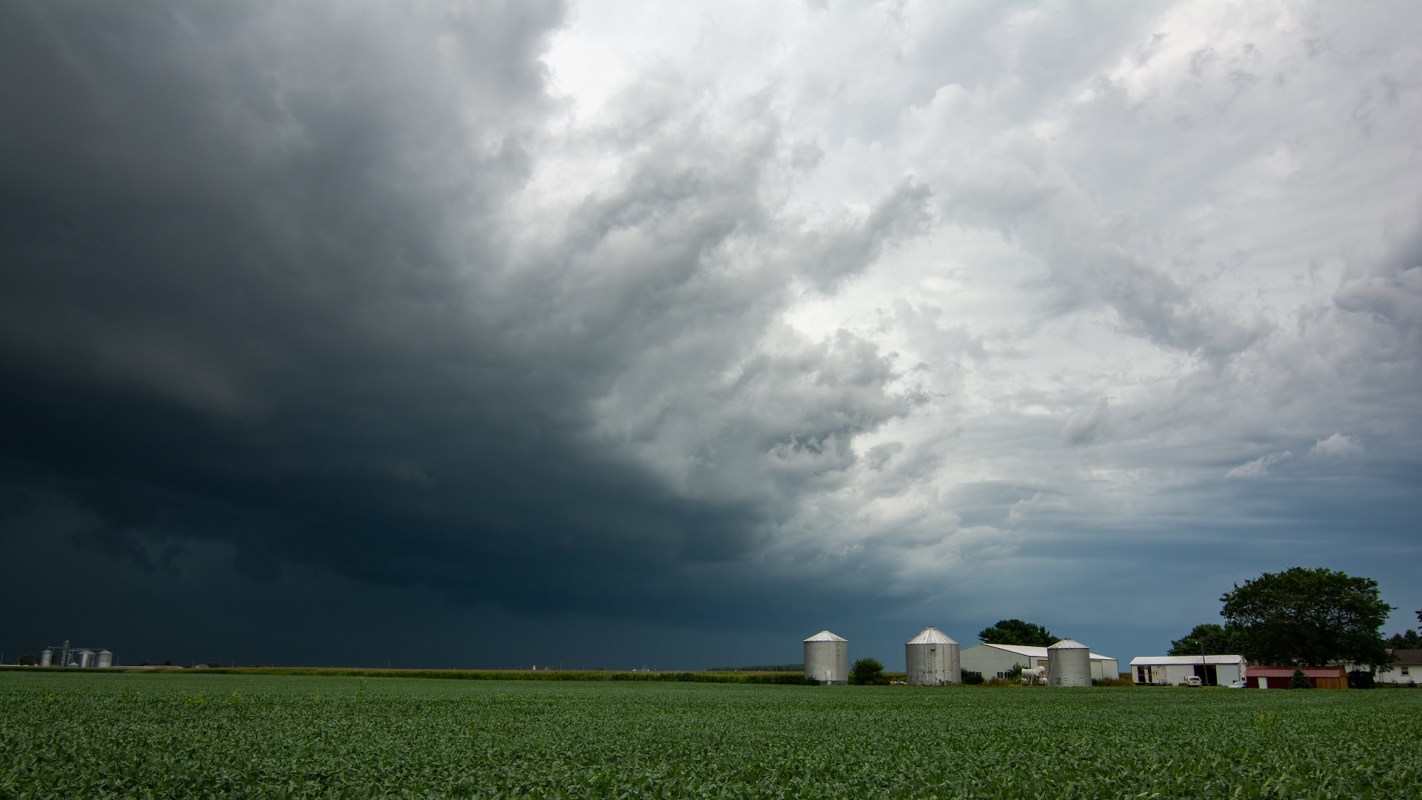
Before summer has fully taken hold, Illinois has already moved beyond its previous one-year tornado high.
As of Sunday, June 21, storm confirmations raised the state's 2026 total to 148, underscoring how sharply severe weather danger is escalating across the Midwest.
What's happening?
Reliable records in Illinois go back to 1950, and no year has produced more tornadoes than 2026, CBS News reported. The previous record was 142, set in 2024, while the state typically averages about 54 tornadoes annually.
This year's surge has not been driven by a single blockbuster outbreak. According to CBS News, unlike 2024 — when a two-day outbreak accounted for much of that year's count — 2026's tornadoes have been spread across several months.
One outbreak on June 11 produced at least 21 confirmed tornadoes in northern Illinois and northwest Indiana, with 13 in Illinois. Two of the strongest storms reached EF-3 intensity — one stretching from Long Point to Streator, Illinois, and another from Hebron to Kouts, Indiana — with winds topping 135 miles per hour, CBS News reported. Numerous injuries were reported, though no fatalities were confirmed.
Why does it matter?
For the third time in the past four years, Illinois is leading the nation in tornado count — an unusual run for a state not traditionally associated with Tornado Alley.
TCD Picks » Quince Spotlight
💡These best-sellers from Quince deliver affordable, sustainable luxury for all




The CBS News report says climate change is a likely factor. Researchers have increasingly pointed to the Midwest and South as places where the atmospheric setup once seen more often over the Plains is now appearing more frequently, with hotter, drier conditions in the Plains pushing tornado-supporting ingredients closer to the Mississippi River.
Tornado outbreaks can cause injuries, property damage, power outages, travel disruptions, and costly repairs. When storms span several months, it also becomes harder for communities to let their guard down after a major event has passed.
It also raises the risk in places where homes, schools, and infrastructure may not have been designed with frequent tornadoes in mind.
What's being done?
National Weather Service teams are continuing to survey storm tracks and damage across Illinois, helping officials refine tornado counts, improve warning data, and better understand where the greatest risks are emerging.
Still, the annual tornado count may continue to climb higher. CBS News reported that the National Weather Service recently confirmed a brief EF-0 tornado near Grayslake in Lake County, along with four more twisters in central and western Illinois.
The National Weather Service said the storm left "several downed or split trees and sporadic minor roof damage along a narrow corridor."

Get TCD's free newsletters for easy tips, smart advice, and a chance to earn $5,000 toward home upgrades. To see more stories like this one, change your Google preferences here.






