


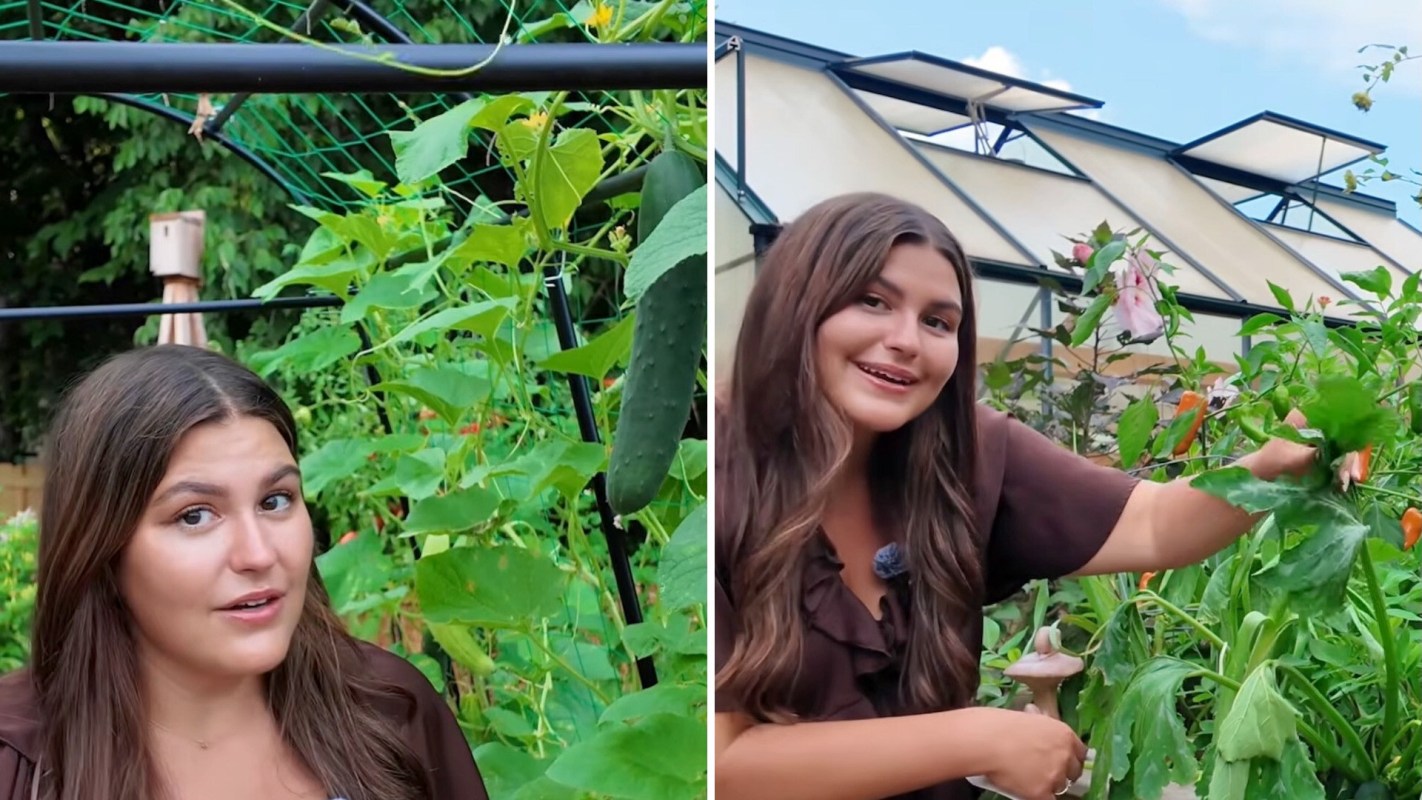
For gardeners who think summer means the season is winding down, North Carolina grower Meg Grows Plants (@meggrowsplants) has a different message.
A simple round of August planting can keep home harvests going into cooler weather and help households stretch grocery budgets with fresh vegetables picked just steps from the kitchen.
What's happening?
In the YouTube video, Meg outlined a late-season planting plan to keep the garden productive after the summer peak.
Instead of treating August as the end of the growing season, the video emphasized it as the point when gardeners can begin preparing for harvests still to come.
Among the recommended crops were cucumbers and summer squash to replace fading plants, along with bush beans and peas for the cooler stretch ahead.
One standout tip focused on bush beans: "First on the list, we have bush beans — they really do great in the fall."
TCD Picks » Quince Spotlight
💡These best-sellers from Quince deliver affordable, sustainable luxury for all




For peas, the guidance centered on direct sowing compact types suited to containers or trellises once conditions are more favorable. Meg also delved into carrots, winter radishes, and beets. At least for beets, she does go back and thin them out.
She also does brassica seeds, but noted she starts them indoors and moves them outside in September. At the end of August, she noted, she'll start on lettuce and quick-growing greens in the garden.
Why does it matter?
A fall garden can offer more than just a hobby. Growing food at home can cut produce costs, especially for vegetables that are expensive to buy repeatedly, such as snap peas, beans, and cucumbers.
It can also mean better flavor, since produce can be picked at peak ripeness instead of traveling long distances before reaching a store shelf.
Gardening comes with health benefits that extend beyond nutrition. Time spent outdoors and regular garden tasks can support physical activity, while the routine of tending plants can help reduce stress and improve mental well-being.
The suggestions focus on making the most of the same space instead of letting beds sit idle after summer crops fade.
"If your cucumbers are starting to tap out, you can get another round in if you start now," the creator said, adding that one variety had "impressed me with disease resistance."
In a warming world, where weather can make seasonal planning less predictable, succession planting can help extend home food production.
What can I do?
If you want to follow a similar approach, start by taking inventory of what is slowing down in your garden.
Open spots can be used for a quick round of beans, peas can go in for cool-weather growth, and squash may be worth trying again if pests wrecked an earlier planting. Cold-weather crops can also be great to get going as the summer fades.
Container gardeners can still participate, too. The creator noted that peas are a good option for smaller spaces.
"What we plant this month is going to set up our gardens and our harvest for October, November, even December here in North Carolina," the creator said.

Get TCD's free newsletters for easy tips, smart advice, and a chance to earn $5,000 toward home upgrades. To see more stories like this one, change your Google preferences here.







