


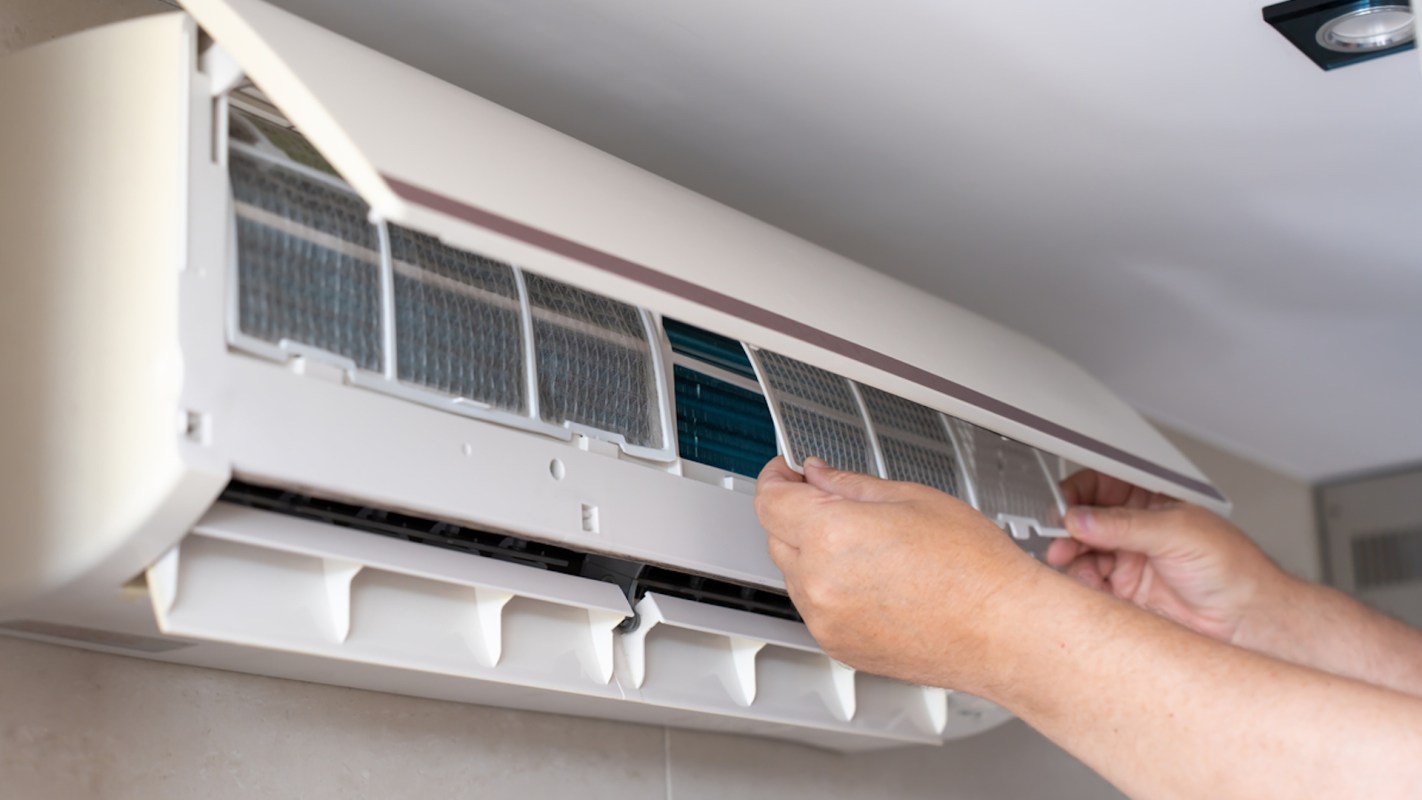
When an air conditioner cannot keep up during a nearly 34 degrees Celsius (93.2 degrees Fahrenheit) heat wave in southern Ontario, Canada, homeowners could end up with uncomfortable indoor temperatures and potentially costly repairs.
Before booking a technician, a handful of do-it-yourself checks may be enough to get the cool air back and spare some homeowners from a hefty bill.
What's happening?
Dean Dick, HVAC category manager at Wolseley Canada, told Inside Halton that homeowners should rule out a few straightforward issues before deciding their air conditioner needs professional help.
A good place to start is airflow. If debris has collected around the outdoor unit, the system can be forced to work harder. A clogged furnace filter can create a similar problem by restricting airflow and reducing how well the AC cools.
For upkeep, Dick said low-cost, one-inch furnace filters may need changing as often as once a month. If your system uses a four- or five-inch filter, the usual schedule is every two or three months. Homes with pets may need to replace them more often.
He also advised checking the basic settings and power supply. Make sure the thermostat is set lower than the current room temperature and that the breaker has not tripped and power is still reaching the outdoor unit.
TCD Picks » Quince Spotlight
💡These best-sellers from Quince deliver affordable, sustainable luxury for all




Why is this maintenance important?
When temperatures spike, even a minor maintenance issue can make a home feel unbearable. It can also hit your wallet through the cost of a service visit and through higher electricity use if an AC unit is running inefficiently for hours.
"A lot of people forget about their air conditioner. In Canada, we pay attention to our furnace maybe a little bit more, but we're guilty of not paying attention to things sitting outside," said Dick.
Restricted airflow can be especially tough on an older system, which may overheat and stop working altogether. And if the unit runs constantly when it's 30 degrees Celsius (86 degrees Fahrenheit) but still can't cool the home, the problem may be more serious than routine maintenance.
Inside Halton also noted that problems that affect your furnace later in the year can bring natural gas and carbon monoxide concerns. Getting it checked now can save you a future headache.
What can I do?
The small steps mentioned earlier, like making sure there's good airflow, may restore performance and reduce strain on the system. They can also help cut energy waste by allowing the unit to cool more efficiently.
Dick recommends having a professional inspect your cooling system ideally in April or May every couple of years. That appointment can catch issues like electrical problems or low refrigerant before they turn into breakdowns.
Some warning signs are better left to an expert. Frost on the copper lines, persistent warm air, unusual noises, or a breaker that keeps tripping are all likely signs you'll need professional repair.
"That definitely requires the attention of a professional to diagnose that and repair it," Dick said. "We always encourage people to turn their furnace on before they need it, to make sure it's working and there are no issues. Don't wait for that first cold snap."

Get TCD's free newsletters for easy tips, smart advice, and a chance to earn $5,000 toward home upgrades. To see more stories like this one, change your Google preferences here.






