


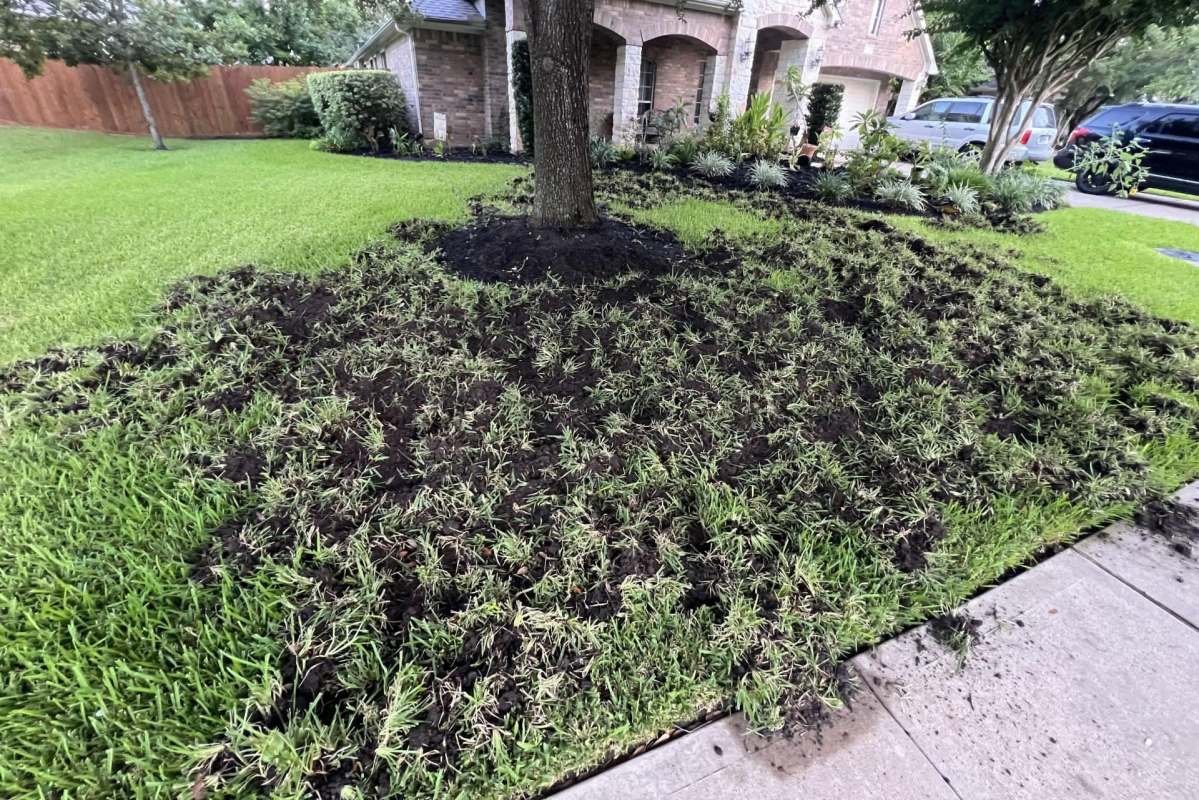
Overnight, a single wild hog left one homeowner's yard so badly ripped up that the lawn looked more like it had been run over by a rototiller than rooted through by an animal.
What happened?
The homeowner posted a photo on Reddit's r/mildlyinfuriating showing what a wild hog did to their lawn in one night. The images show just how extensive the damage was: grass ripped apart, bare soil exposed, and deep divots across the yard.
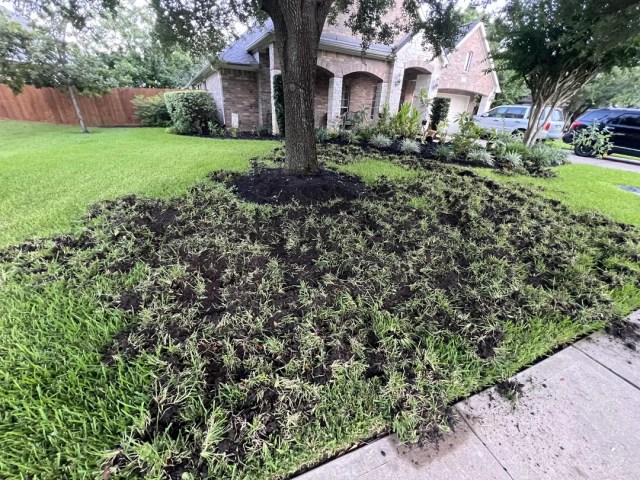
This is standard wild hog behavior. They root with their snouts to reach grubs, roots, and other food below the ground, and a well-watered lawn can offer an especially easy place to dig.
Wild hogs are showing up more and more often in the places people live, garden, and landscape.
Why does it matter?
For a homeowner, a single night like this can quickly turn into a costly repair job. Reseeding, replacing sod, fixing irrigation systems, and addressing erosion can all follow after one animal finds an easy meal in a yard.
And the issue is bigger than appearances. Wild hogs can spread disease, contaminate water, and damage native plants. Their digging also disrupts the soil in ways that can encourage invasive species and make life harder for local wildlife.
TCD Picks » Quince Spotlight
💡These best-sellers from Quince deliver affordable, sustainable luxury for all




People have also contributed to the problem. In the U.S., feral hog populations are partly linked to escaped domestic pigs and to wild boar brought in by humans. At the same time, neighborhoods, farms, and roads continue expanding into wildlife habitat, which makes these encounters more likely. As BBC Future has reported in its coverage of why wild animals come into conflict with people, human-driven landscape changes can increase the chances of these run-ins.
So while a torn-up lawn is easy to see, it also points to a wider environmental and economic problem.
What can I do?
If wild hogs are active nearby, homeowners can reduce what attracts them. Common advice includes clearing away fallen fruit, securing trash, protecting garden beds, and avoiding wildlife feed that might bring animals closer to the house.
Fencing may help, but only if it is strong and installed well enough to stop a determined hog. Motion-activated sprinklers or lights can also deter some nighttime visits, though they are not foolproof.
A few of the users believed the wild hog was looking for truffles.
One user said, "I think he was looking for truffles growing under your oak tree."
Another agreed, "Yes, it's a truffle search. You may as well mulch under that tree because your new buddy will be back."
A third Redditor joked, "Do the truffle shuffle!"

Get TCD's free newsletters for easy tips, smart advice, and a chance to earn $5,000 toward home upgrades. To see more stories like this one, change your Google preferences here.







