


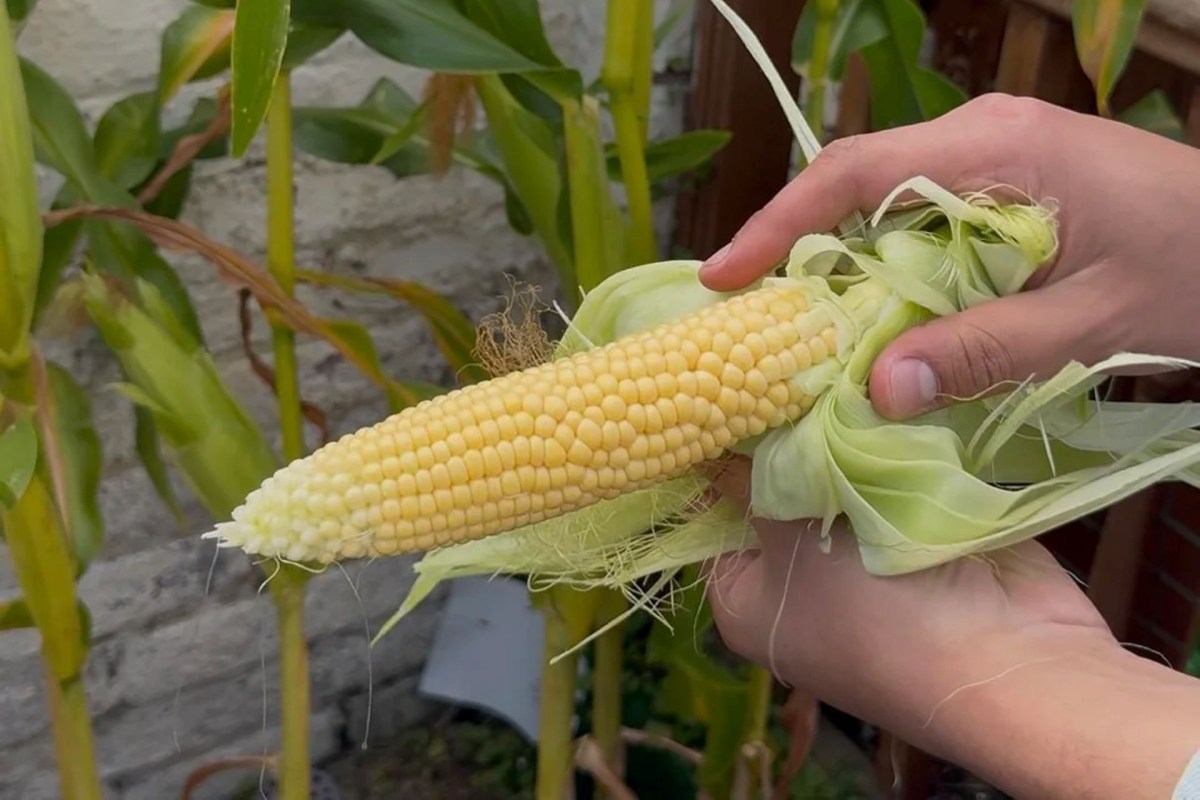
When harvest time arrived, a first-time corn grower was preparing for disappointment — expecting ears full of gaps. However, the harvest was surprisingly successful.
Even more impressive was the fact that the corn was not grown in a sprawling field — just a few simple pots.
What happened?
In a post shared to r/vegetablegardening, the original poster celebrated the harvest, writing: "I was so worried about incomplete pollination as pointed out by people under corn harvest posts. However, to my surprise, almost no missing kernels!"
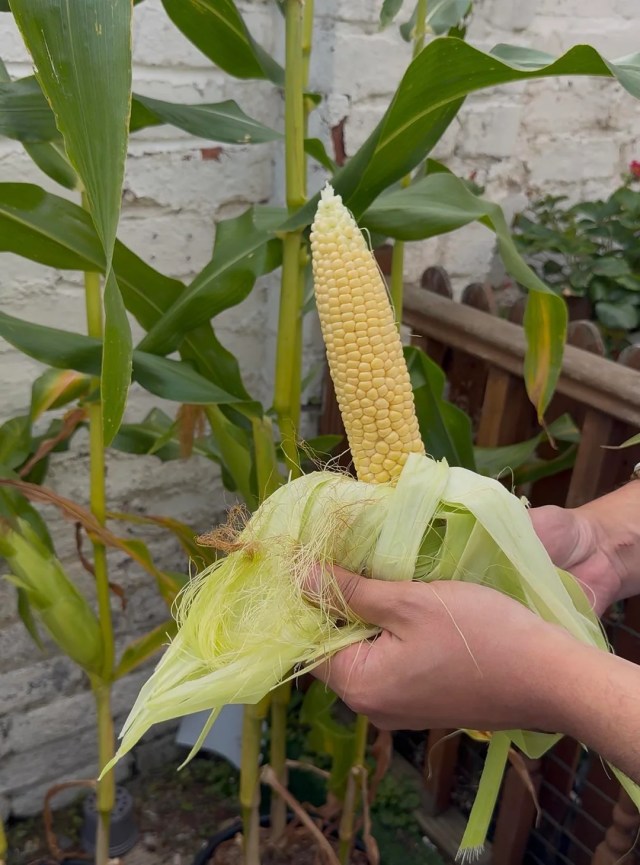
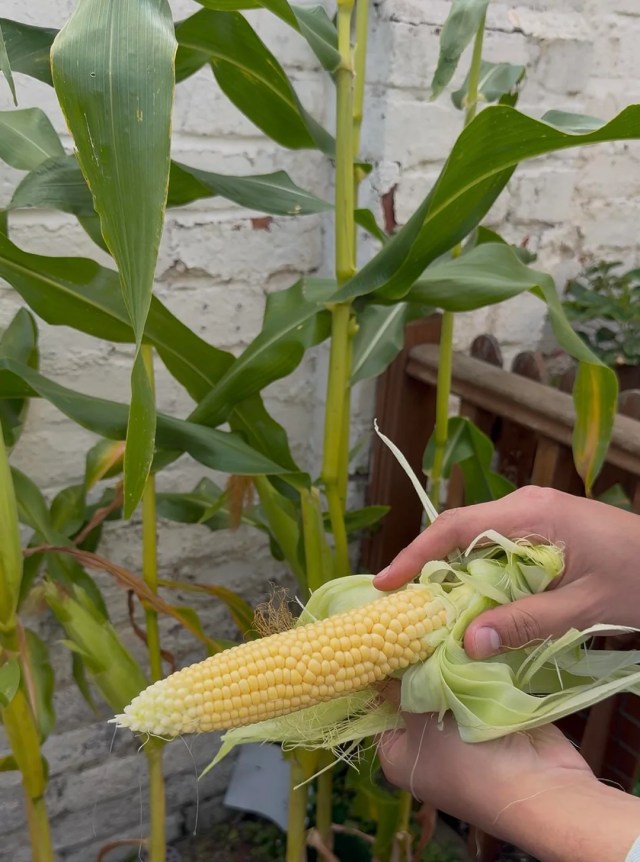
They said the tip was still filling out, but since part of the husk had dried and turned brown, they decided it was time to pick it.
Replies were full of congratulations and helpful tips on judging ripeness. After writing, "Looks good but IMO a bit overripe as the bottom kernels are quite large," one commenter said a ready cob often leans away from the stalk and should come off with little effort.
Commenters also turned to the growing setup. When one person questioned whether corn really fit "containers or small spaces," the grower answered, "Those were in containers, three per pot."
TCD Picks » Quince Spotlight
💡These best-sellers from Quince deliver affordable, sustainable luxury for all




Why does it matter?
Corn is often seen as a crop that requires plenty of land and near-perfect conditions.
Growing food at home can cut grocery costs, especially when produce prices are high or unpredictable. It can also mean better flavor since fruits and vegetables harvested at home often make it to the table much faster than store-bought options.
Home gardening can also support mental and physical health. Caring for plants gets people outdoors, adds physical activity to daily routines, reduces stress, and creates satisfaction from picking a vegetable that was once just a tiny seed.
There is also a practical sustainability benefit. Homegrown produce reduces packaging waste and transportation-related pollution impacts and fosters an appreciation for the labor behind every meal.
What can I do?
Container growing can be a realistic place to start. A patio, balcony, or small yard may be enough for certain crops, especially for gardeners who choose varieties suited to limited space and stay consistent with watering.
Corn does require some planning, however. Because it depends on pollen reaching the silk, gardeners often get the best results when several plants are grown together. The original poster shared a simple hands-on pollination method in a comment: "What I did was tape the stem of each plant every morning and whenever I wandered around the backyard. You can see the pollen shower down on the silk."
Beginners hoping to build on one successful experiment can learn more about how to grow your own food. Starting small can save money, show what grows best in a given space, and help you build toward a more dependable kitchen garden.
A more experienced grower in the thread noted that growing corn often involves some experimentation, writing: "It's a lot of trial and error. Enjoy your corn!"

Get TCD's free newsletters for easy tips, smart advice, and a chance to earn $5,000 toward home upgrades. To see more stories like this one, change your Google preferences here.







