
You may not think of your dinner plan starting with a wild, invasive plant. But after one forager learned that sea fig fruit is edible — and delicious — a simple harvest became the basis for an entire menu.
For anyone trying to stretch a grocery budget, it is also a reminder that, in some places, free ingredients are hiding in plain sight.
What happened?
A post in the r/foraging subreddit focused on a simple discovery: "I recently learned you can eat sea fig fruit and it's invasive so I made a menu out of it." Alongside that, the original poster shared photos of their harvest and some delicious cooking ideas on Reddit.

The poster shared that they made a variety of dishes with a sea fig jam they made, including a squash salad, sea fig glazed black cod, and even a sea fig ice cream with coconut caramel and macadamias.
"Ripe fruit is sweet and tastes like skittles candy or kiwi and lychee or strawberry mixed with bubblegum and a hit of saltiness," they wrote.
One user wrote, "Omg I used to see these plants all the time when I lived in San Diego! Had no idea they were edible! Very cool!"
TCD Picks » Quince Spotlight
💡These best-sellers from Quince deliver affordable, sustainable luxury for all




One Redditor also shared another invasive plant they have cooked with: "I love eating invasives! Made a strawberry and Japanese knotweed pie this spring, but nowhere near as beautiful as these dishes."
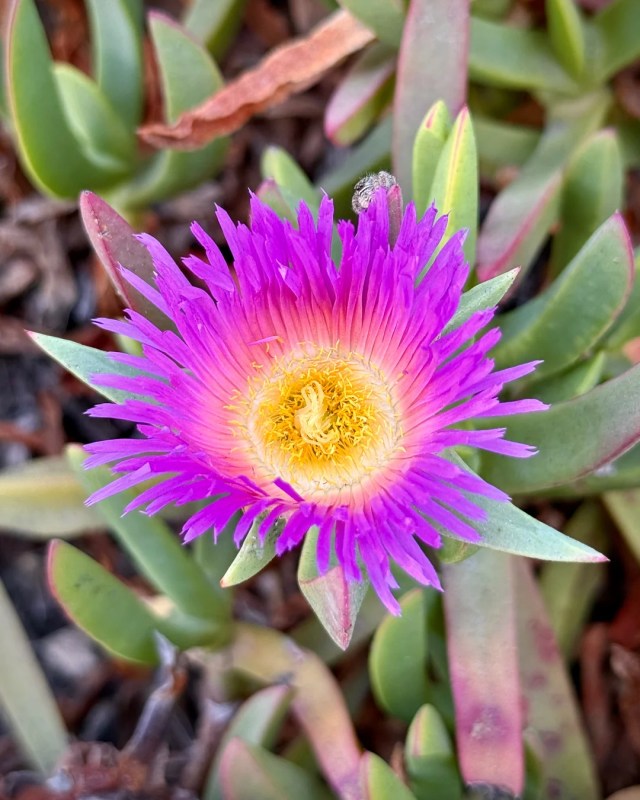
Sea fig, often grouped with invasive coastal ice plants, is known for crowding out native vegetation. But its ripe fruit is edible, which makes it especially interesting to cooks and foragers looking for unconventional ingredients.
Why does it matter?
Harvested legally and safely, invasive fruit can cost nothing at all. That can translate into real savings compared with buying specialty fruit, jam ingredients, or dessert produce at a grocery store or farmers market, where fresh fruit, preserves, or chutneys can cost even more.
Invasive plants can overwhelm native ecosystems, reduce biodiversity, and change soil and water conditions. While foraging alone will not solve that problem, using edible invasives can help people think differently about the landscapes around them.
The kitchen angle helped drive interest. Commenters seemed less focused on whether the fruit could be eaten and more interested in seeing how someone actually used sea fig after harvesting it.
What can I do?
If sea fig grows where you live, the first step is caution. Never eat a wild plant unless you are completely sure of the identification, and avoid harvesting from roadsides, contaminated areas, or places that may have been treated with pesticides.
Check local rules before foraging. Some parks, beaches, and preserves prohibit plant removal, even for invasive species. In other areas, land managers may have specific guidance on what can be harvested and how.
Starting with a local foraging class or a regional plant guide can be a smart move. Learning to correctly identify one edible invasive species could help replace a few purchased ingredients across several meals or preserves.
Another commenter complimented the original poster's photography skills in capturing these appetizing meals: "This is epic foraging and culinary photography!"

Get TCD's free newsletters for easy tips, smart advice, and a chance to earn $5,000 toward home upgrades. To see more stories like this one, change your Google preferences here.