


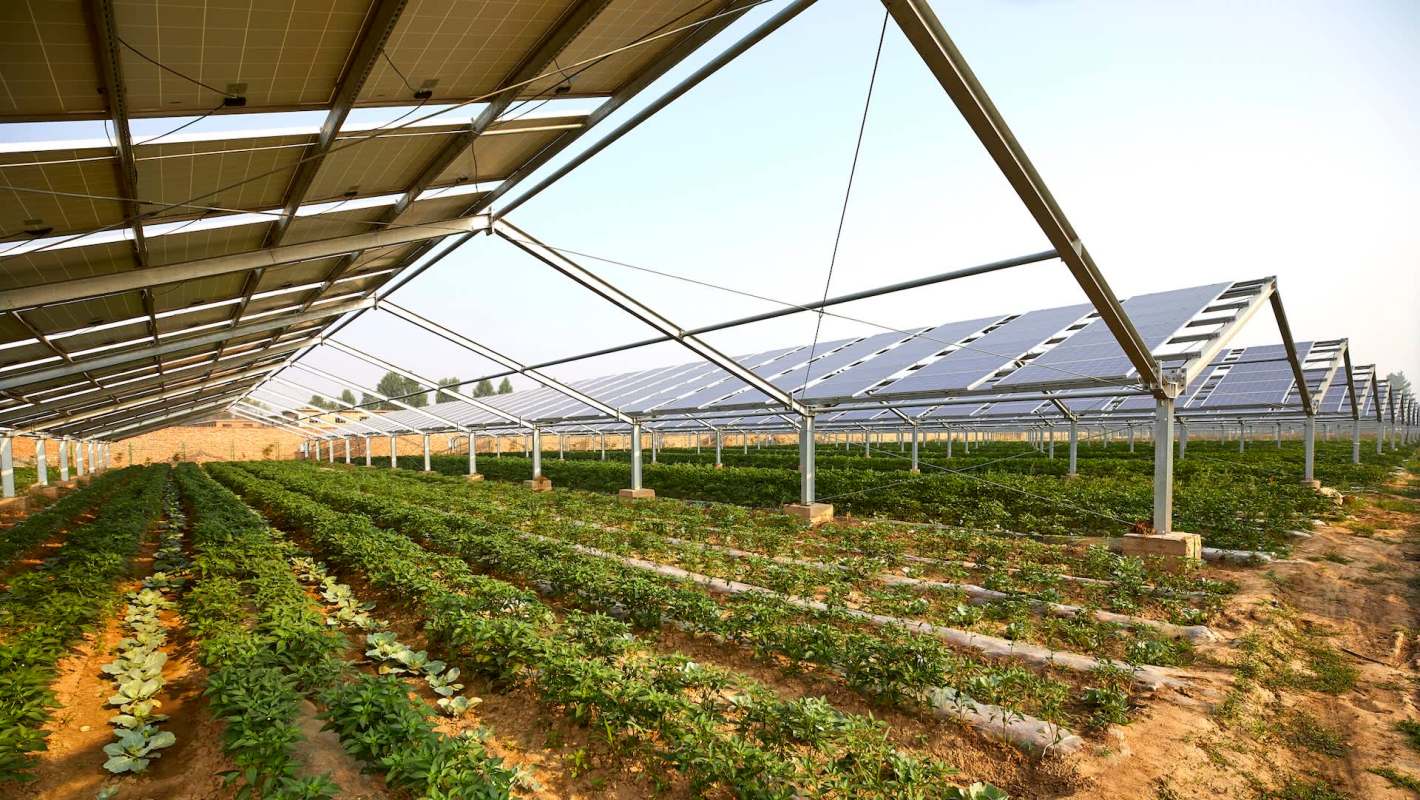
Rising electricity costs pushed an Iowa farmer to look for a practical fix. A federal renewable energy program helped his farm add solar power for work connected to growing, cooling, and packing food for local customers.
What's happening?
According to the Center for Rural Affairs, Erik Sessions, owner of Patchwork Green in Decorah, Iowa, installed a ground-mounted solar system for his vegetable business. The U.S. Department of Agriculture's Rural Energy for America Program, or REAP, made that possible.
Only about 5 of the farm's 40 acres are used for vegetables, but power is needed across much more than those planted fields.
Over 26 years, the family added a packing shed, walk-in cooler, root cellar, irrigation equipment, and lights for starting plants. These features have supported Patchwork Green's CSA customers, restaurants, and even a local food hub.
But each expansion also increased the farm's electricity use.
"We work the well pretty hard, pushing water up the hill to water crops," Sessions said. "Energy use is fairly steady, but higher than it used to be because of the infrastructure we have added."
TCD Picks » Quince Spotlight
💡These best-sellers from Quince deliver affordable, sustainable luxury for all




A previous solar setup on the garage did not produce as much as Sessions wanted, so he moved ahead with a larger project in early 2025. The new array started operating in December 2025.
How does this help?
For small farms and rural businesses, energy costs can eat into already narrow margins. Lowering monthly bills can make day-to-day operations more manageable, especially when electricity powers essential farming functions.
Sessions said the benefits became clear as soon as the system came online during the colder months.
"It was fun to start in winter when it is darker, and then consistently see the energy bill going down every month as we get more sun," he said.
Using more renewable electricity can reduce dependence on polluting energy sources, helping cut pollution that worsens air quality and contributes to climate challenges that already affect growers through unpredictable extreme weather.
What's being done?
REAP aims to help farmers and small rural businesses afford renewable energy and efficiency improvements, making projects like this more achievable.
Sessions told the Center for Rural Affairs that even with part of the cost reimbursed through REAP, the system will still take time to pay for itself.
He also had to show that the electricity use being offset belonged to the farm operation rather than the house on the same property. He completed an energy assessment with a consultant and received application help from Steve Hopkins of the Clean Energy Districts of Iowa.
"This would have been much more of a challenge if I hadn't had help from Steve and the local energy district," Sessions said. "Some of those hurdles might have been more like a dead end to me if I had to deal with it myself while also busy with other farm things."
He recommended reaching out to local clean energy groups and looking into tax incentives and grant programs before committing to a project.
"I value being more energy independent," Sessions said. "I think it is definitely a worthwhile government program."

Get TCD's free newsletters for easy tips, smart advice, and a chance to earn $5,000 toward home upgrades. To see more stories like this one, change your Google preferences here.






