


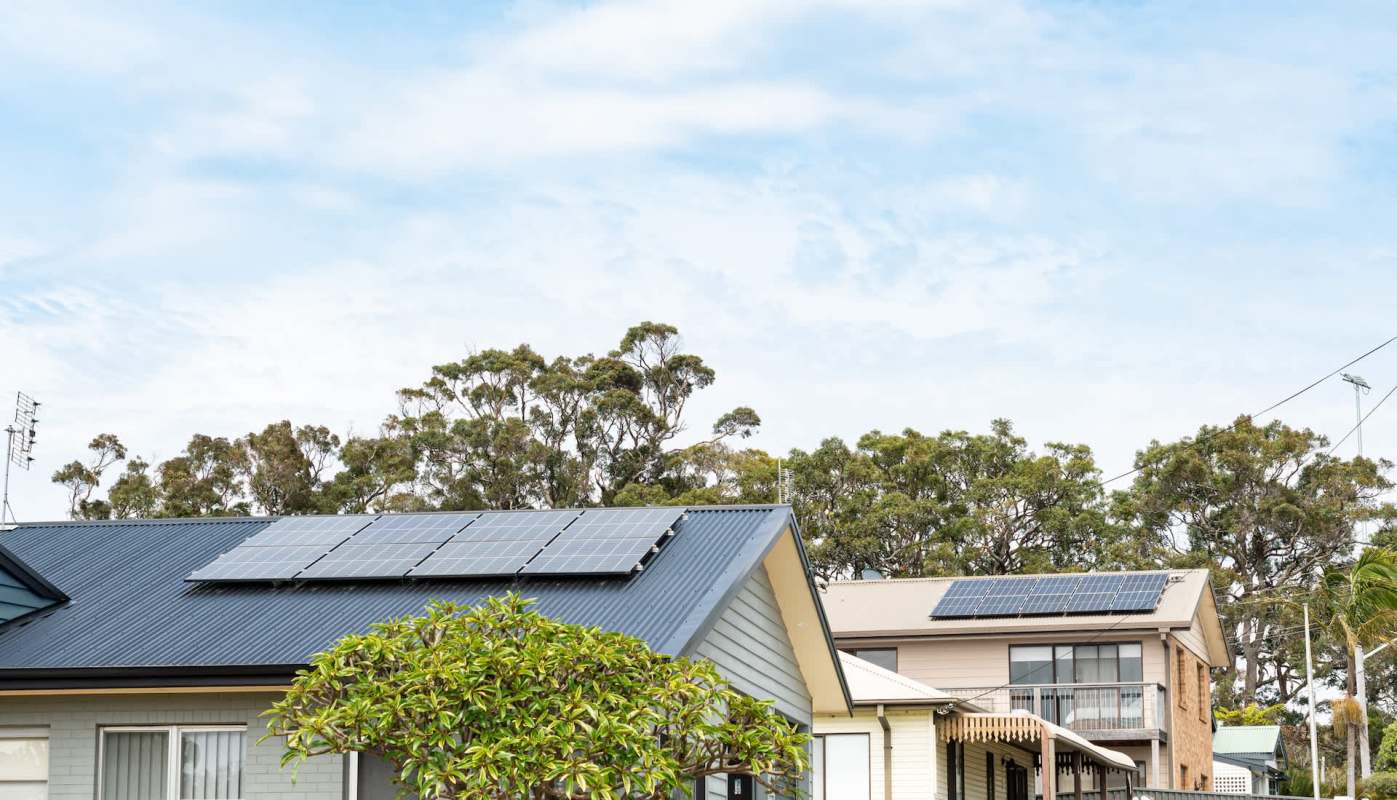
A new proposal before Michigan regulators would give household energy equipment a bigger role in supporting the state's power system.
The idea is for utilities to make greater use of rooftop solar, batteries, and other distributed resources to keep electricity more affordable and reliable as demand grows.
What's happening?
State regulators have opened a public comment period on a straw proposal designed to help utilities better use customer-owned energy devices, according to The Detroit News.
The Michigan Public Service Commission advanced the measure as part of the second phase of a grid-reliability effort that began in 2023. A central element of the proposal is the use of virtual power plants, which link devices such as rooftop solar panels, home batteries, and flexible equipment like electric vehicle chargers into coordinated networks.
The commission said that setup could help utilities, including DTE Energy and Consumers Energy, handle rising demand from hyperscale data centers, including a project in Saline Township.
The filing said data-center growth could otherwise force expensive traditional expansion.
"In the absence of additional regulatory approaches, these new loads could potentially trigger costly additions in traditional generation and transmission capacity," it noted.
It also said virtual power plants can use resources "already on the system" or ones that can be deployed quickly, helping reduce cost pressure and speed interconnections.
Save $10,000 on solar panels without even sharing your phone number Want to go solar but not sure who to trust? EnergySage has your back with free and transparent quotes from fully vetted providers that can help you save as much as $10k on installation. To get started, just answer a few questions about your home — no phone number required. Within a day or two, EnergySage will email you the best local options for your needs, and their expert advisers can help you compare quotes and pick a winner. |

Regulators said current utility rate structures can steer companies toward large infrastructure investments instead of smaller distributed resources. Their proposal would make it easier for customers to add solar panels, batteries, and other home energy systems, while also setting tighter deadlines for utility approvals and inviting comments through October 1.
Why does it matter?
For Michigan households, the proposal could eventually mean fewer costly grid upgrades being passed on to ratepayers — and a system better equipped to handle storms, outages, and sudden spikes in demand.
As The Detroit News reported, a Fourth of July storm that sent trees into power lines left more than 500,000 people statewide without electricity, and the commission is investigating.
Going solar is one of the best ways to save money on home energy. Homeowners who want to see what that could look like for their property can explore EnergySage's free tools to get quick solar installation estimates and compare quotes.
More From EnergySage
💡Go deep on the latest news and trends shaping the residential solar landscape
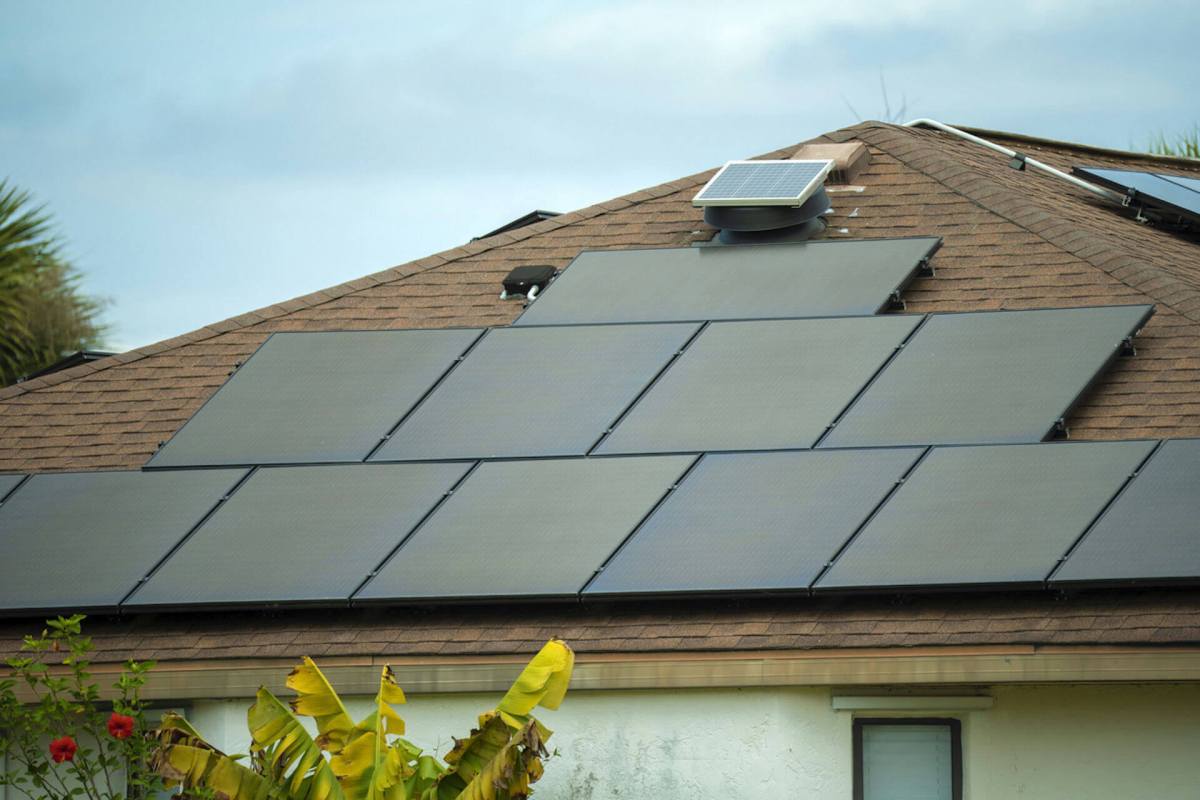

Hyperscale data centers are becoming major new sources of electricity demand. If utilities meet that need only by adding large power plants and transmission lines, the price tag could rise fast. Virtual power plants present another option by drawing on capacity that already exists on rooftops and in home battery systems.
What's being done?
Michigan regulators have already started requiring utilities to count home solar and other distributed energy sources as grid assets, according to The Detroit News. In filings, DTE and Consumers reported rising interest from customers hoping to connect home solar panels and batteries, though the commission said many of those projects still face multiple reviews that increase costs and delays.
For homeowners, free comparison tools can make a big difference before signing any solar contract. With EnergySage's help, you can save up to $10,000 on solar purchases and installations.
Additionally, EnergySage's solar map shows the average cost of a home solar panel system by state, along with details on local solar panel incentives — together, these resources can help you get the best price for rooftop solar panels.
Adding battery storage to a solar setup is one of the best ways to protect your home during outages, save money on energy, and go off-grid. It can also let households store extra solar power for use when electricity prices spike or the grid goes down. You can explore EnergySage's free tools for information about home battery storage options, including competitive installation estimates.
In Michigan, Consumers spokesman Brian Wheeler said, per the Detroit News, "We share the MPSC's interest in helping us improve our performance and will be evaluating this proposal."
MPSC chair Dan Scripps said, "If phase one was fixing the grid, the order in front of us in the straw proposal that we now seek comment on is about the future of the grid."

Get TCD's free newsletters for easy tips, smart advice, and a chance to earn $5,000 toward home upgrades. To see more stories like this one, change your Google preferences here.






