


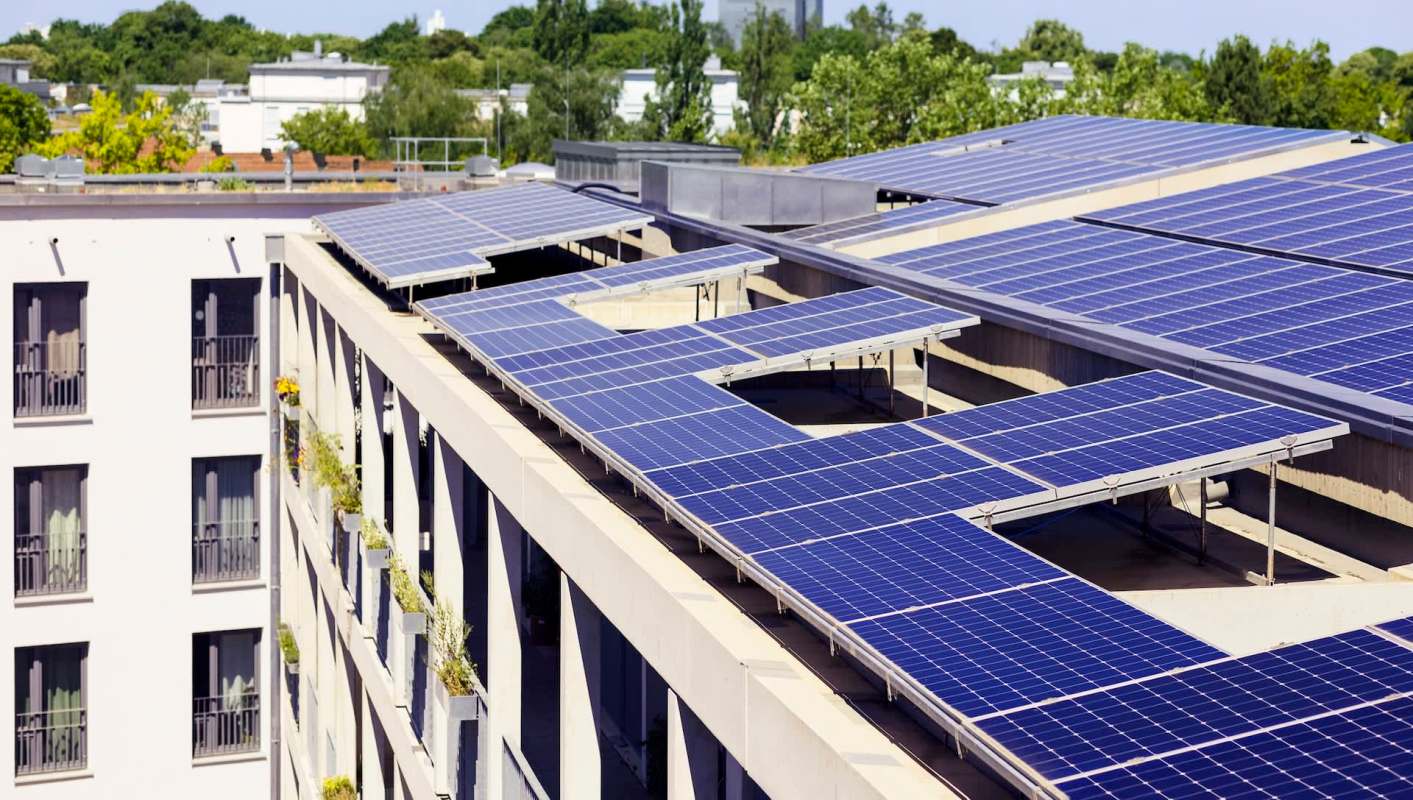
As housing and utility costs continue to rise, owners of affordable apartment buildings are searching for practical ways to keep monthly expenses in check without passing those costs on to renters, and that is helping fuel interest in rooftop solar for multifamily properties.
Against that backdrop, rooftop solar is drawing more attention from multifamily property owners, according to pv magazine, as the 21st Century ROAD to Housing Act aims to expand housing access while federal investment tax credits are declining.
What's happening?
For Rob Crauderueff, CEO and founder of Crauderueff Solar, the economics are becoming harder for building owners to ignore.
"With the rising cost of housing and electricity, solar on multifamily rooftops makes a lot of sense," he told the publication.
Crauderueff also said dense urban markets stand out as a particularly promising place for these systems, since so many people live in apartment buildings there and even limited operating savings can help maintain affordability.
"Opportunity for scale exists, especially in urban areas where it's very efficient to have solar on multifamily buildings," he added.
Going solar is one of the best ways to save money on home energy, and homeowners can use EnergySage to get quick solar installation estimates and compare quotes for free.
Why does it matter?
Because rents on regulated properties often cannot rise as quickly as electricity, insurance, and fuel costs, affordable housing operators have limited room to absorb those increases. Solar energy can relieve some of that pressure by lowering building expenses, which can leave more money for maintenance or upgrades and sometimes reduce tenants' electric bills too.
Save $10,000 on solar panels without even sharing your phone number Want to go solar but not sure who to trust? EnergySage has your back with free and transparent quotes from fully vetted providers that can help you save as much as $10k on installation. To get started, just answer a few questions about your home — no phone number required. Within a day or two, EnergySage will email you the best local options for your needs, and their expert advisers can help you compare quotes and pick a winner. |

Another advantage is protection from future utility spikes. Crauderueff said solar is valuable because it "saves money and provides a hedge on electric price increases," making everyday costs more predictable for both residents and building operators.
Catholic Charities Brooklyn and Queens is one example. David Downs, senior vice president of Catholic Charities Progress of Peoples Development Corporation, said its solar-holding entity, Laudato Si Corporation, manages 17 rooftop projects on affordable housing properties that are expected to produce 1.5 gigawatt-hours annually and cover about 45% of on-site electricity use.
What's being done?
State and local initiatives are becoming more important as federal support fades.
NY-Sun's Megawatt Block Program provides contractors with $1 to $2 per watt for eligible multifamily affordable housing projects, depending on project size and location.
More From EnergySage
💡Go deep on the latest news and trends shaping the residential solar landscape

Connecticut's Solar Marketplace Assistance Program Plus and financing in Maryland are also improving project economics, while community solar offers an option for buildings that do not have enough room for all the panels they would need on-site.
For those considering solar at home, EnergySage's free services can help simplify the process of comparing installers and pricing. With EnergySage's help, the average person can save up to $10,000 on solar purchases and installations.
Tools like EnergySage's solar map show the average cost of a home solar panel system on a state-by-state level, along with incentive details, helping readers get the best price for rooftop solar panels.
Adding battery storage to a solar setup is one of the best ways to protect your home during outages, save money on energy, and go off-grid. A battery can store clean electricity for use when the grid is down or rates are higher. Readers can explore EnergySage for free tools on home battery storage options, including competitive installation estimates.

Get TCD's free newsletters for easy tips, smart advice, and a chance to earn $5,000 toward home upgrades. To see more stories like this one, change your Google preferences here.






