


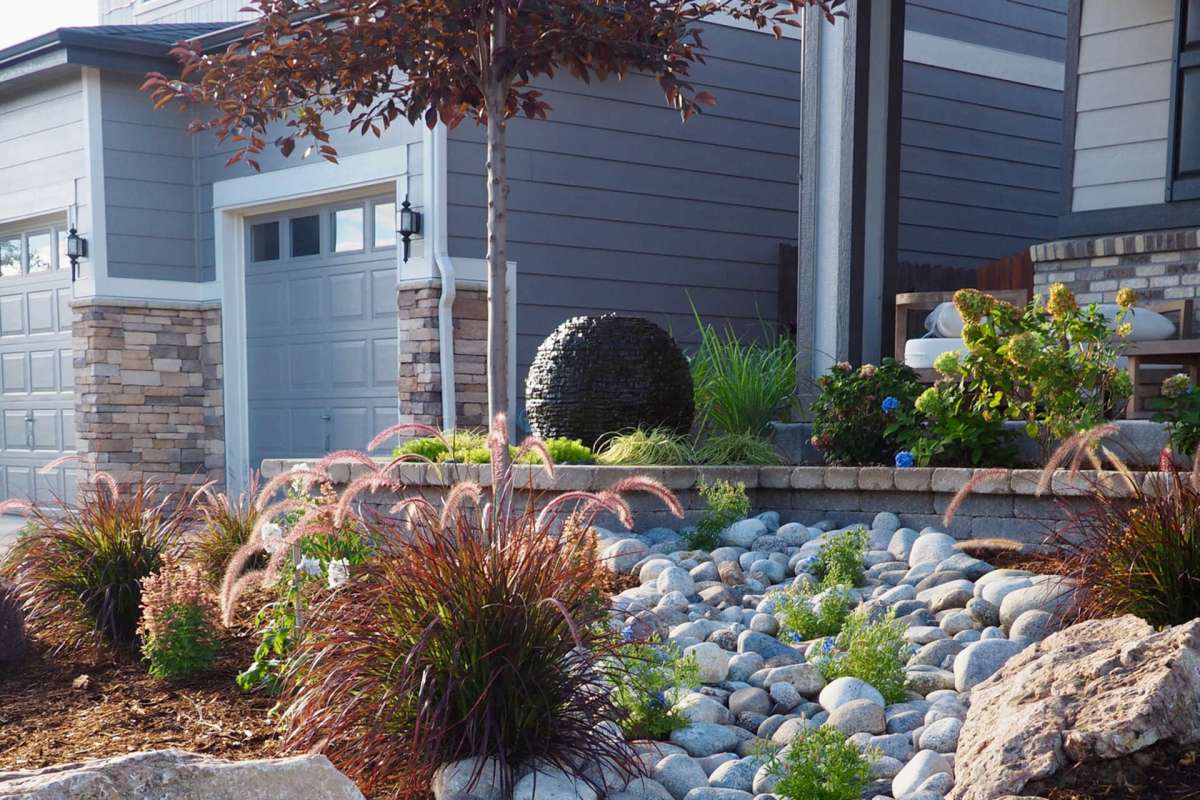
A stretch of exceptional heat in Colorado is not only making summer tougher, but is also leading some homeowners to reconsider how much of their yards should remain grass.
What's happening?
New advice for Colorado residents warns that long-running drought and high temperatures are making standard turf lawns both costlier and more difficult to care for, especially in places that are hard to reach or irrigate, like side yards, skinny strips of grass, slopes, and shaded corners.
According to The Coloradoan, the Colorado State University Extension and Fort Collins officials have recommended reducing lawn area bit by bit instead of tearing everything out in a single effort.
Before making changes, homeowners are being advised to look into possible restrictions and sources of help, including HOA rules, approved plant lists, and rebates that may offset costs.
Financial support may be available through Fort Collins' Xeriscape Incentive Program and through Resource Central programs in nearby communities.
The new guidance does not suggest removing grass from every part of a yard, since turf can still make sense in places that get a lot of foot traffic. But in lower-use areas, replacing lawn with drought-tolerant plants, mulch, and drip irrigation can reduce water use and create a landscape better suited to Colorado's changing conditions.
TCD Picks » Quince Spotlight
💡These best-sellers from Quince deliver affordable, sustainable luxury for all




Why does it matter?
As hot, dry weather persists, keeping extra turf alive is becoming a more costly burden. Homeowners can face higher water bills and added maintenance, only to end up with patches of brown, stressed grass anyway.
Changing part of a lawn to xeric landscaping can reduce irrigation needs, cut down on mowing, and provide support for pollinators such as bees and butterflies. Those pollinators are essential to the growth of many flowers, fruits, and vegetables, in addition to our food system at large.
Gardening and yard work can also generally support mental and physical health by getting people outside, keeping them active, and connecting them with green space.
If homeowners add edible landscaping, such as fruit trees, berry-producing shrubs, or herbs, they may also be able to save money on groceries while enjoying fresher produce grown at home.

Get TCD's free newsletters for easy tips, smart advice, and a chance to earn $5,000 toward home upgrades. To see more stories like this one, change your Google preferences here.






