


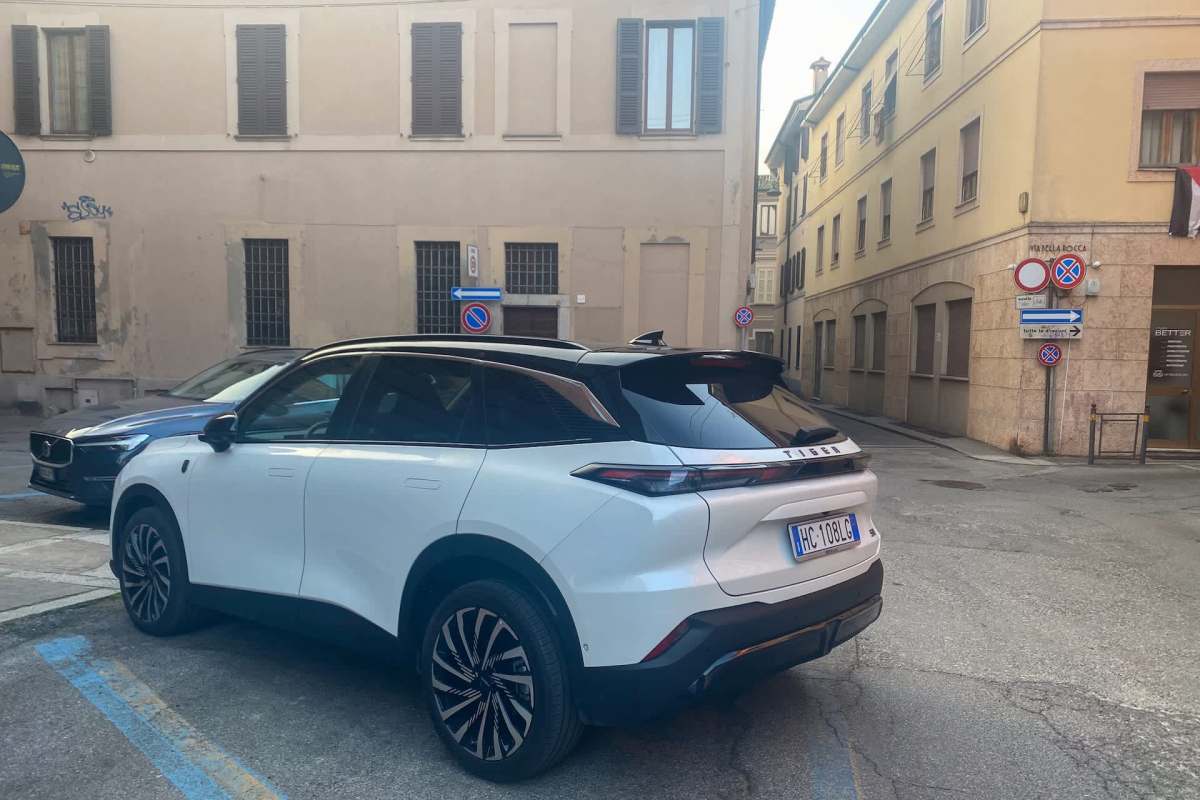
Chinese manufacturers are claiming a bigger piece of Europe's electric-car market, putting more pressure on policymakers and long-established car companies to respond.
Sales of battery-powered EVs from Chinese brands have hit a new high, adding fuel to debates over tariffs, subsidies, and competition in the region.
What's happening?
In Western Europe, Chinese marques made up 14.2% of battery electric vehicle sales during the first five months of 2026, totaling around 171,800 vehicles. This counts as roughly one out of every seven BEVs, according to The Guardian, citing Schmidt Automotive Research.
Even with European Union duties reaching 35.3% for some Chinese-built EVs, in addition to the usual 10% import tariff, sales kept climbing. BYD, Chery, SAIC, and Xpeng are among the companies still widening their European presence as they chase more of the worldwide EV business.
Because the United Kingdom did not adopt the EU's added tariffs, it has become the biggest European market for Chinese EV makers. The Guardian reported that about one-quarter of Chinese BEV sales in the 18 largest Western European markets came from the U.K.
A separate boost came from Italy, which made up roughly one-fifth of the total. Schmidt research founder Matthias Schmidt called that an "anomaly," linking it to subsidies that temporarily cut the price of Leapmotor's T03 to about €5,000.
TCD Picks » Quince Spotlight
💡These best-sellers from Quince deliver affordable, sustainable luxury for all




Why does it matter?
As Europe pushes its car industry toward stricter emissions targets, cheaper Chinese EVs are increasing the pressure on local manufacturers.
For people shopping around for EVs, this may lead to more choices and lower prices, even as it deepens worries about shrinking market share and weaker domestic output.
The Guardian says Chinese carmakers have brought more than 120 models to Europe in 2026, versus about 100 from European brands. That larger lineup gives buyers more options, especially those who have found many EVs too expensive.
If policymakers determine that state-supported Chinese companies are pricing local rivals out of the market, demands for steeper tariffs or import limits are likely to intensify.
Sales data points to a wider competitive shift as well, not just gains for Chinese brands. Tesla's sales in Europe rose 60% year over year after lower-priced Model 3 and Model Y versions arrived, and the Model Y was the best-selling individual model over the period.
What's being done?
Tariffs are already part of Europe's response to imported Chinese-made battery EVs, and the policy fight could expand further. The Guardian reported that Volkswagen chief executive Oliver Blume has said European plug-in hybrids are not competitive with Chinese alternatives.
The EU's extra EV duties do not apply to plug-in hybrid electric vehicles, or PHEVs. That gives Chinese automakers another way to grow in the European market, even though PHEVS still use gasoline engines.
Once manufacturing inside the EU ramps up, the balance could change again, cutting the need for imports and potentially reshaping the tariff debate.
"I think they are hitting a wall when it comes to pure electric models," Schmidt said. "Given shipping capacity remains limited, more PHEVs means fewer BEVs, which have likely peaked for now. BEVs will take priority again once local EU production comes online."

Get TCD's free newsletters for easy tips, smart advice, and a chance to earn $5,000 toward home upgrades. To see more stories like this one, change your Google preferences here.






