


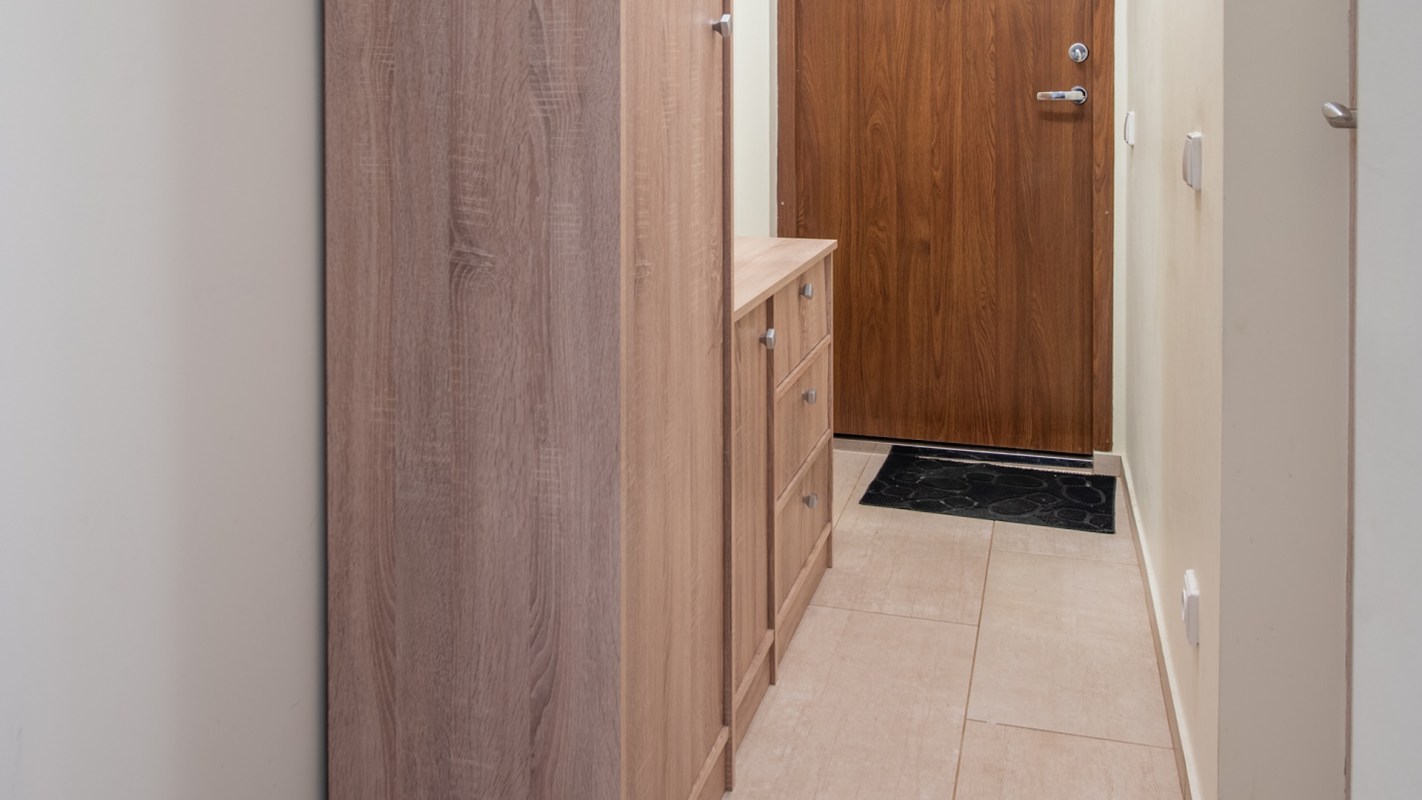
Sarah Hendrickson, a wildlife management business owner and waitress, now lives in a friend's 77-square-foot closet, an unusual step she took after her rent doubled and housing became harder to afford.
She said the arrangement in Birmingham, Alabama, is helping her keep about $1,500 a month that would otherwise be spent on rent, according to The Sun.
What happened?
The rent on Hendrickson's apartment rose from $600 to $1,200 after the COVID-19 pandemic, prompting the 32-year-old wildlife management business owner and waitress to think outside of the box.
She explained that apartments she considered decent were generally priced around $1,500 a month.
"I'm just one person. If I had someone to split the rent with, it would be different, but I didn't want to work two jobs just to pay rent," Hendrickson said.
When staying in a friend's spare bedroom was no longer an option, Hendrickson, 32, suggested an even smaller tiny living alternative.
TCD Picks » Quince Spotlight
💡These best-sellers from Quince deliver affordable, sustainable luxury for all




"I told him, 'I know you don't want me to live with you, but I can live in your closet,'" she recounted.
The closet is inside a two-story house in downtown Birmingham, which lets her bike to her serving job and walk to a grocery store.
Making the move meant cutting down on belongings too: Hendrickson sold or donated much of what she owned, including her mattress, and kept only essentials such as a clothing rack, small desk, books, and wardrobe.
Why does it matter?
Hendrickson's story reflects a financial strain many Americans know well: housing costs have risen far faster than wages.
A typical apartment would take up a large share of what she earns; her income from wildlife management, waitressing, and graphic design totals between $2,000 and $3,000 a month.
"I've only been here a week, but I've already put $1,000 into my [savings] investment account and another $500 into my savings this month," Hendrickson noted.
Living in a closet — along with other forms of tiny living — requires flexibility, trust, and often, a willingness to give up personal space and many belongings.
Hendrickson noted that this kind of cramped setup is familiar territory for her.
"This isn't the first time I've done this. I've been living in small spaces for about 10 years," she told interviewers.
What can I do to cut housing costs?
Living within biking or walking distance of work and errands can lower transportation costs while reducing housing expenses.
Rightsizing could mean taking on a roommate, renting a smaller studio, negotiating a lease renewal early, or temporarily staying with friends or family while rebuilding savings.
Even a modest reduction in fixed monthly expenses can make a meaningful difference.
Selling unused furniture, clothing, or electronics before a move can provide cash up front while making a smaller living space easier to manage.
"Rent has skyrocketed but wages haven't kept up. I even lived in my car in 2022 and 2023 because of housing prices," Hendrickson shared.
"I really want to show people that you don't have to work your whole life just to pay the bills. There are other ways to live."

Get TCD's free newsletters for easy tips, smart advice, and a chance to earn $5,000 toward home upgrades. To see more stories like this one, change your Google preferences here.






