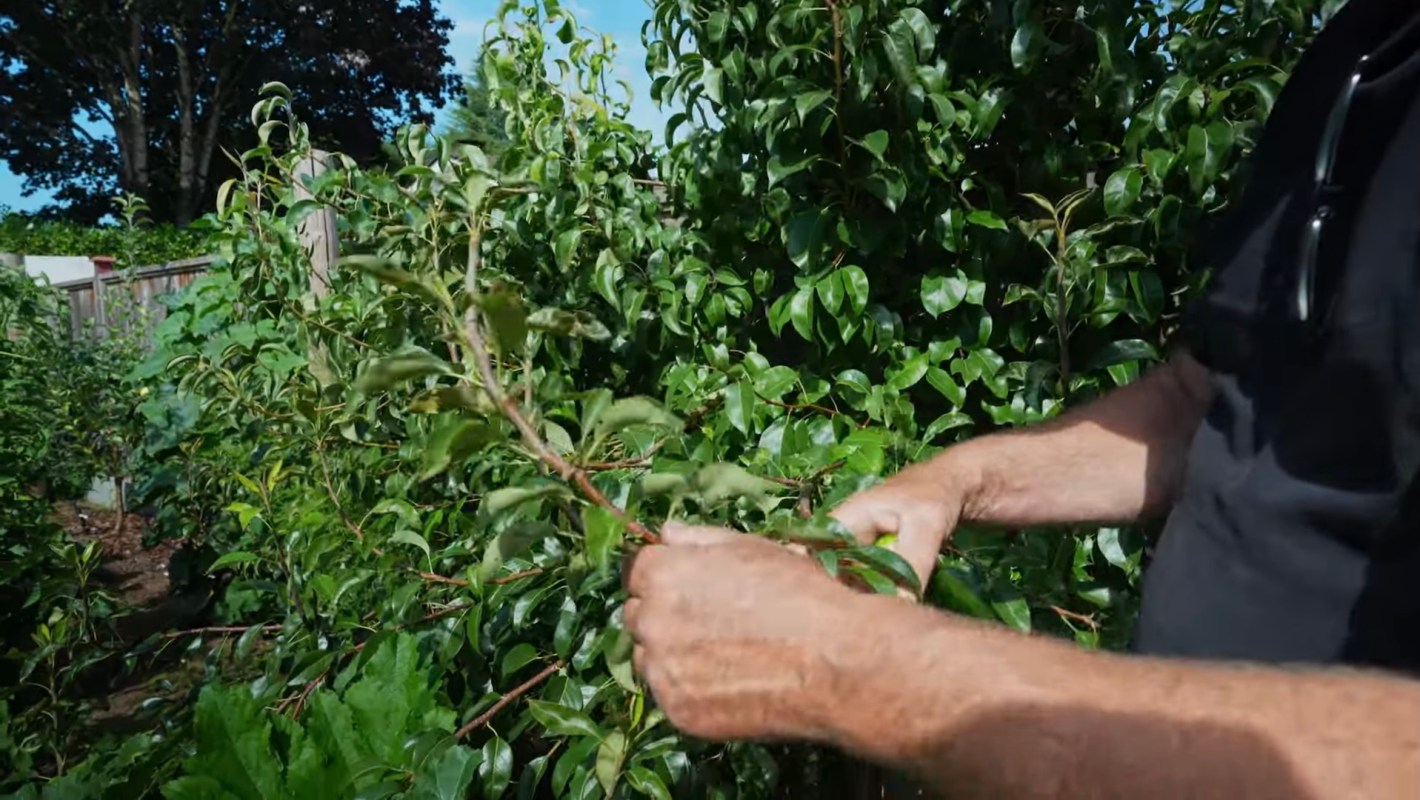
A front yard does not have to be limited to grass. One small city-lot garden in British Columbia is showing how an urban space can produce an impressive mix of food, from bananas to apples to squash.
What makes the setup especially notable is that it is built for everyday people, not expert growers with acres of land.
What's happening?
On YouTube, Kailyard (@TheKailyard) gave viewers a look at a Zone 8 urban homestead in British Columbia's Pacific Northwest setting. Even within that compact front yard, the garden includes asparagus, garlic, bananas, rhubarb, blackcurrant, beets, carrots, kohlrabi, several cucumber varieties, beefsteak tomatoes, butternut squash, zucchini, and an espaliered apple tree producing Fuji, Gala, and Honeycrisp apples.
Rather than presenting the space as a polished expert showcase, the creator emphasized experimentation and accessibility, saying, "We're not professional gardeners... just sharing what's worked, and what hasn't."
Among the tips shared were using sour milk when yellowing cucumbers point to a calcium deficiency, covering the openings left after pulling carrots to help ward off carrot fly, and avoiding excess water if you want to prevent "short, stubby, ugly looking carrots."
To make the most of the limited area, the garden uses vertical cucumber trellises and a trained apple tree that can grow multiple kinds of fruit without taking up much ground space.
TCD Picks » Quince Spotlight
💡These best-sellers from Quince deliver affordable, sustainable luxury for all




Why does it matter?
A small urban lot can still produce fresh fruits and vegetables that might otherwise be expensive at the grocery store.
That can translate into significant savings on produce, especially for higher-cost items such as tomatoes, cucumbers, herbs, apples, and specialty crops. Homegrown food is also typically picked at peak ripeness, which often means better flavor and texture than produce shipped long distances.
Gardening can add regular movement, time outdoors, and a sense of calm to daily life while giving families a hands-on way to learn where food comes from. Turning part of a lawn over to food production may also reduce ornamental grass maintenance and unnecessary watering.
One commenter wrote, "Love that the garden is where most people waste space with grass, very impractical with our hot summers and watering restrictions."
What can I do?
The easiest way to begin is often on a small scale: one raised bed, a few containers, or a sunny strip along a fence. Crops such as zucchini, cucumbers, lettuce, beets, and tomatoes can all be productive in modest spaces if they receive enough light.
Vertical growing can help even more. Trellises for cucumbers or squash, along with espaliered fruit trees, make it possible to grow more food without expanding your footprint. Starting from seed can also help keep costs down.
Gardeners can also borrow some of Kailyard's strategies: plan ahead for storing larger crops such as butternut squash, pay attention to how tomatoes, cucumbers, and squash are pollinated when yields are poor, avoid overwatering root vegetables, and harvest frequently.
"Can't wait to start my own little garden!" one commenter wrote.

Get TCD's free newsletters for easy tips, smart advice, and a chance to earn $5,000 toward home upgrades. To see more stories like this one, change your Google preferences here.