


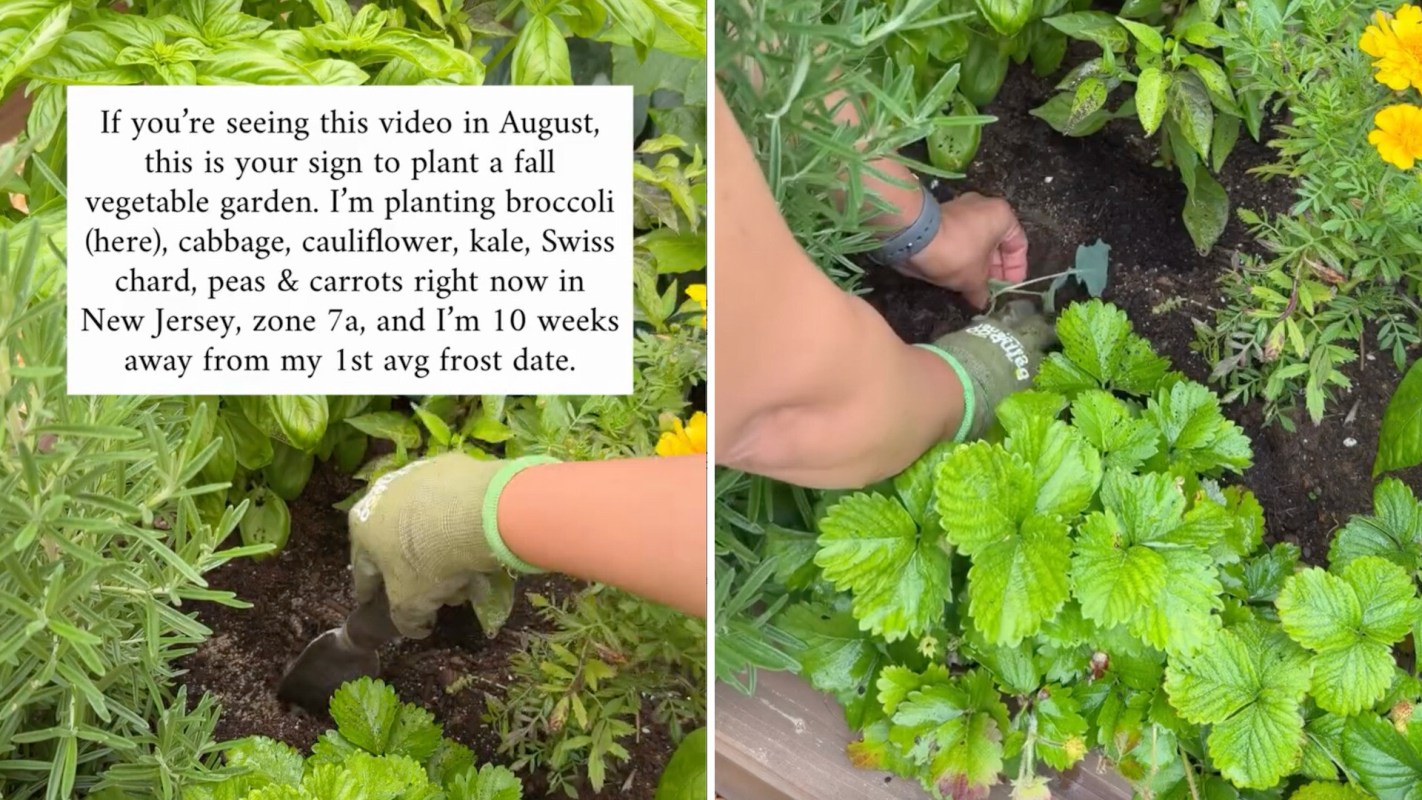
A New Jersey gardener says one simple timing trick can make a fall vegetable patch a standout part of the growing season.
What's happening?
In a TikTok post, content creator Resh Gala (@reshgala__) said planting about 10 weeks before the first frost helped produce a fall garden that felt far more abundant and far less bug-ridden than previous efforts.
@reshgala__ I planted my fall garden on August 8th last year and it was THE MOST INSANELY PRODUCTIVE, BEAUTIFUL & PEST FREE veggie garden that I've ever grown! 🤩 If you're 10 weeks away from your first frost date, then this is me telling you to plant your fall garden asap. The vegetables you can grow are listed in the video itself but you can also plant calendula, chamomile, celery and beetroot right now too. 🙌 Quick maturing crops like lettuce, arugula, spinach, bok choy, cilantro, parsley and spring onions will be planted in late August/ early September. Save this post for reference and follow me for more gardening tips, tricks and inspiration. 💚 Cheers, Resh #fallgarden #vegetablegarden #njgarden #zone7a #gardeningtips #diy ♬ âm thanh gốc - reshgala__
In the caption, the gardener looked back on an earlier fall garden: "I planted my fall garden on August 8th last year and it was THE MOST INSANELY PRODUCTIVE, BEAUTIFUL & PEST FREE veggie garden that I've ever grown!"
The post was directed at people nearing their local first frost date and hoping to fit in another round of homegrown produce. Rather than focusing on a specific calendar date, the creator advised gardeners to use the frost countdown as their guide.
"If you're 10 weeks away from your first frost date, then this is me telling you to plant your fall garden asap," they wrote, adding that crops such as calendula, chamomile, celery, and beetroot can still work in that window.
Some vegetables, however, were listed for a later planting. In the caption, the gardener said quicker-maturing choices like lettuce, arugula, spinach, bok choy, cilantro, parsley, and spring onions were better suited to late August or early September.
TCD Picks » Quince Spotlight
💡These best-sellers from Quince deliver affordable, sustainable luxury for all




Viewers used the comments to ask about both timing and supplies. Commenters directed viewers to their local nursery and told them they weren't too late to start planting.
Why does it matter?
Fall planting can extend the growing season and make better use of the same garden bed. Cooler temperatures are often easier on leafy greens and herbs, and in some regions they also bring fewer destructive insects than the peak of summer.
Growing lettuce, herbs, onions, and root vegetables at home can help cut grocery costs, especially when produce prices rise. Homegrown food can also taste better because it is often picked at peak ripeness instead of traveling long distances before reaching the kitchen.
More food grown at home can mean less packaging waste, fewer transportation-related pollution impacts, and fewer chemical inputs when gardeners use low-impact methods.
What can I do?
If you want to try a fall garden yourself, start by looking up your area's average first frost date and counting back about 10 weeks. That can help you determine when to plant slower-growing crops such as celery, beets, or brassicas and when to direct-sow quicker greens.
It also helps to choose crops that fit the season. Heat-sensitive vegetables such as spinach, arugula, and bok choy often perform better as temperatures cool, while transplants can give broccoli and similar crops a head start.
Gardeners hoping to reduce pest problems can focus on healthy soil, mulch, hand removal of insects, and physical barriers such as row covers instead of reaching for sprays.

Get TCD's free newsletters for easy tips, smart advice, and a chance to earn $5,000 toward home upgrades. To see more stories like this one, change your Google preferences here.







