


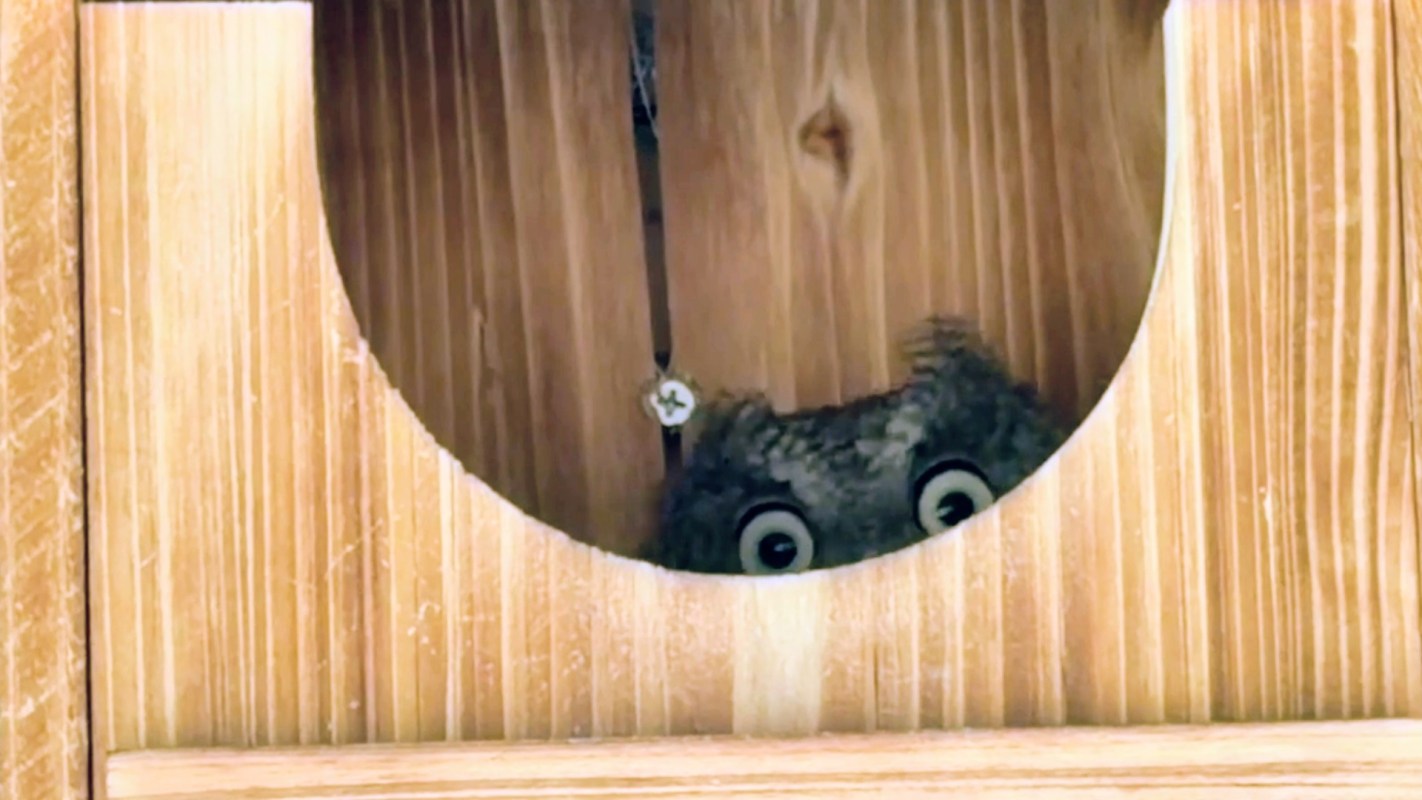
A small screech owl named Sushi is getting nearer to a possible return to the wild.
After spending months with a wildlife rehabilitator, Sushi is approaching the stage that could determine whether release is possible.
What happened?
If the live-prey test goes well, Sushi may go back to the wild, according to a TikTok post by certified rehabber Dana @Nature's Nest (@danarenee_). In the caption, Dana wrote, "Next week he will be live prey tested & if all goes well he will be released back into the wild!" and added that Sushi "has been in our care for a few months now."
@danarenee_ Sushi the Screech Owl has been in our care for a few months now. Next week he will be live prey tested & if all goes well he will be released back into the wild! We sure do love these little owls! #easternscreechowl #owlsoftiktok #owls #wildliferehab ♬ original sound - Dana @Nature's Nest
Rehabilitators have to determine whether an owl can hunt on its own before returning it to nature. For a predator like a screech owl, the ability to catch food is essential to surviving without human assistance.
Why does it matter?
Stories like Sushi's show what wildlife rehabilitation can accomplish: not just rescue, but recovery.
When injured, orphaned, or otherwise vulnerable animals are stabilized and returned to their natural habitats, it helps support healthier local ecosystems while reminding communities that coexistence with wildlife is possible.
TCD Picks » Quince Spotlight
💡These best-sellers from Quince deliver affordable, sustainable luxury for all




Native birds of prey play important ecological roles, and successful rehabilitation helps preserve the balance of the environments that neighborhoods, parks, and rural communities share with wild animals.
Rehabilitation work often depends on trained caregivers, local support, and public interest. A hopeful case like Sushi's can encourage more people to value wildlife centers, contact professionals when they find an animal in distress, and understand why wild animals require specialized care rather than casual handling.
What's being done?
In Sushi's case, the rehabber is following the careful, step-by-step process that gives the owl the best chance of surviving after release.
Rather than sending the bird back into the wild too soon, the caregiver is using live-prey testing to confirm that Sushi can do what a wild owl must do every day.
Effective conservation often happens through patient, hands-on work. Small facilities and wildlife rehabbers help bridge the gap between injury and independence, one animal at a time.

Get TCD's free newsletters for easy tips, smart advice, and a chance to earn $5,000 toward home upgrades. To see more stories like this one, change your Google preferences here.







