


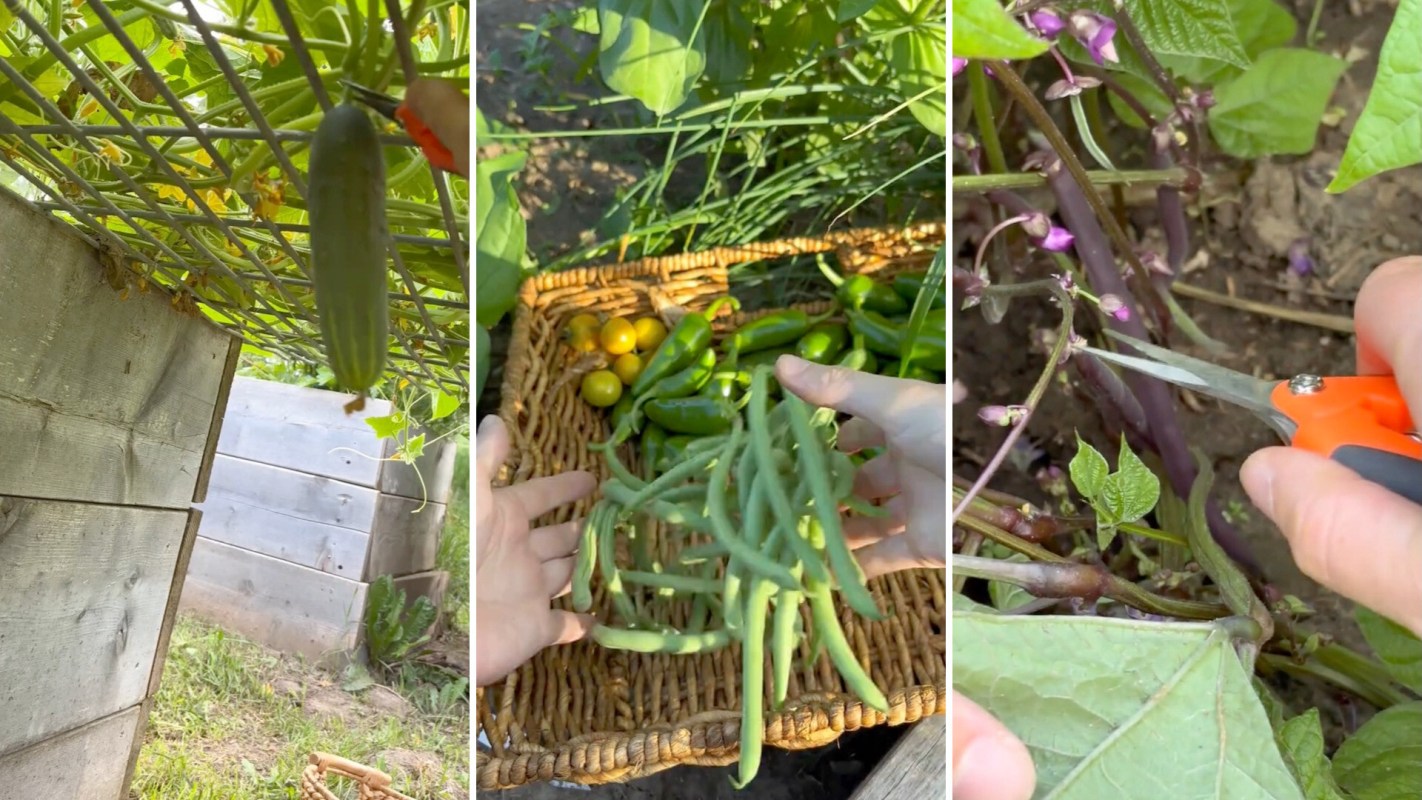
A Minnesota-based gardening expert based in Minnesota's Zone 4B shared a quick first-person harvest video showing a cornucopia of homegrown vegetables, including cucumbers, beans, tomatoes, jalapeños, bell peppers, and zucchini.
What happened?
In the recent TikTok post, content creator Brianna shows all the produce they collected that day.
The basket is a colorful mix of summer vegetables that many shoppers regularly pay premium prices for at grocery stores and farmers' markets.
One commenter wrote, "I thought the pickling cucumbers were tiny until you put them in the basket!"
Why does it matter?
This kind of harvest can save money on produce. Crops such as zucchini, cucumbers, beans, and tomatoes can create massive harvests, helping households cut down on repeat grocery purchases during the growing season.
Additionally, produce picked at peak ripeness from a backyard garden often tastes better than vegetables that were shipped, stored, and shelved before making it to the kitchen. Homegrown tomatoes and cucumbers, in particular, are famous for winning over people who thought they didn't like them all that much.
TCD Picks » Quince Spotlight
💡These best-sellers from Quince deliver affordable, sustainable luxury for all




Gardening can also support mental and physical health. Digging, planting, watering, weeding, and harvesting all add movement to your day, while time outside can help people slow down and feel more connected to their food.
And last but not least, growing food at home can reduce some packaging waste and transportation impacts tied to store-bought produce, making it a practical win on several fronts.
What can I do?
When you're ready to start your own garden, starting small is usually the easiest path. A few containers, a raised bed, or a compact backyard plot can be enough to grow beginner-friendly crops such as zucchini, cucumbers, peppers, beans, and cherry tomatoes.
Fast-growing and high-yield plants tend to offer the most noticeable payoff, especially in summer. Gardeners in cooler regions can also benefit from checking their hardiness zone and selecting varieties suited to shorter growing seasons.
Anyone curious about getting started should explore TCD's guide to growing your own food, which breaks down practical steps for building a productive home garden.
It also helps to have a plan for extras. Surplus vegetables can be shared with neighbors, preserved, or worked into simple meals before they pile up on the counter.

Get TCD's free newsletters for easy tips, smart advice, and a chance to earn $5,000 toward home upgrades. To see more stories like this one, change your Google preferences here.






