


The world is losing plants and seed varieties, but some people are taking action to slow the loss.
While some governmental agencies are working to protect the most important seeds, the problem matters to everyday farmers too. One Iowa farm has taken the concern up as a calling to protect seed variety.
What's happening?
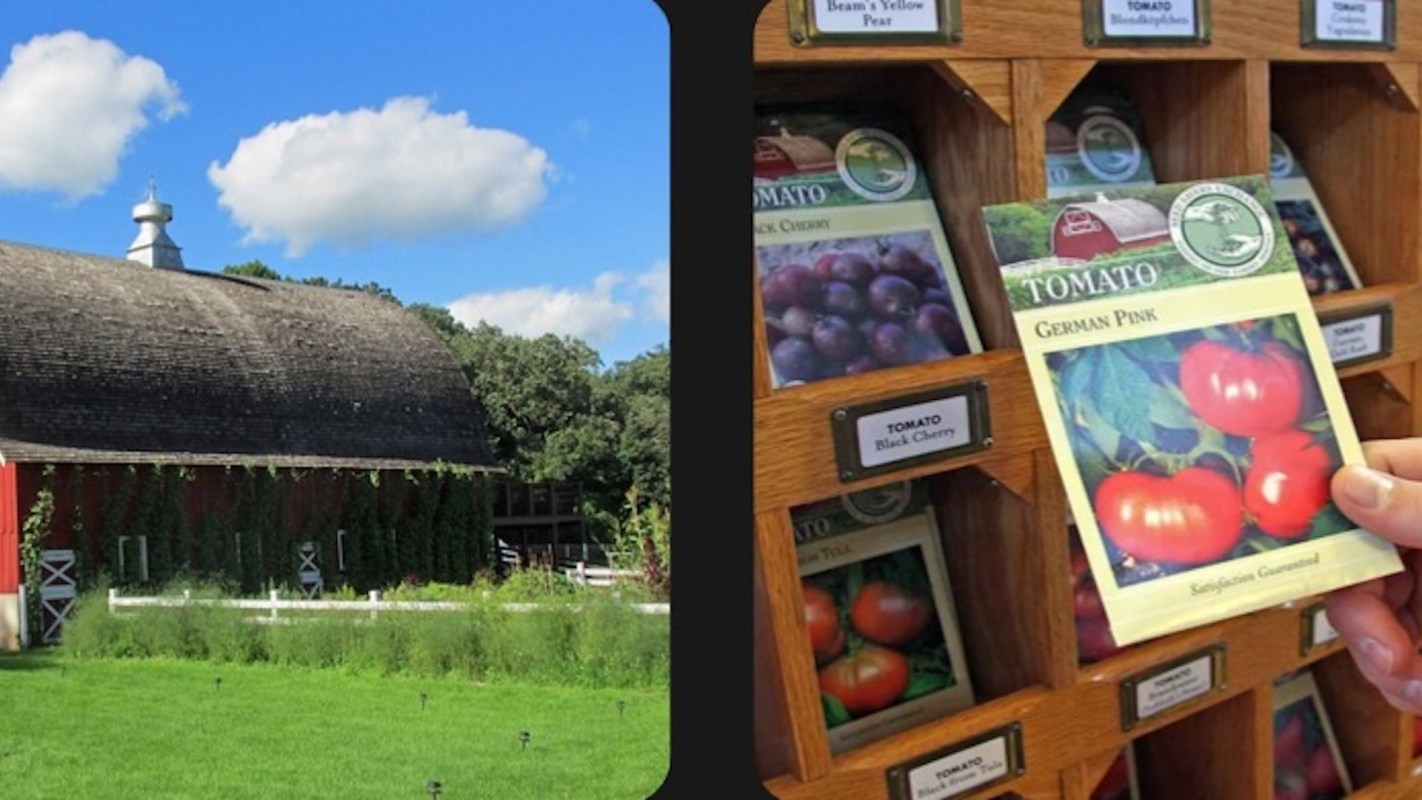
Content creator Grant Stoll (@GrantOnSoil) spotlighted in an Instagram post how Heritage Farm in Iowa has focused on saving seeds and maintaining crop biodiversity through the Seed Savers Exchange. The post presented the farm as a place where lost food varieties are kept alive outside mainstream grocery channels.
As Stoll put it, "A single farm in Iowa is guarding 20,000 kinds of food your chain grocery store will never sell you."
It also tied the farm's work to consolidation in the seed industry, noting that four companies account for roughly half of the global commercial seed market. Seed saving is a practical response to a food system that often prioritizes uniformity, shelf life, and scale over diversity.
As fewer companies shape what gets grown, preserved, and sold, farms that protect older or less common varieties become more important.
TCD Picks » Quince Spotlight
💡These best-sellers from Quince deliver affordable, sustainable luxury for all




Beyond programs like the Seed Savers Exchange, governmental agencies like the U.S. Department of Agriculture and Norway's Ministry of Agriculture and Food have made particular investments in cultivating and protecting important seeds.
Norway's Svalbard Global Seed Vault is perhaps the most famous example, though it acts as more of a backup failsafe than the more active and local Seed Savers Exchange. Svalbard guards the future of over 1.3 million global seed samples to be used mainly only in emergency situations.
How does this help?
Crop diversity can help make food systems more resilient when growers face heat, drought, pests, disease, or shifting consumer demand. If a region depends too heavily on a narrow range of seeds, it has fewer built-in protections when conditions change.
More biodiversity can improve the odds of steady harvests, offer more flavor and nutrition, and expand choices beyond the standardized produce that dominates large grocery chains. It can also help support regional foods that are better adapted to local growing conditions.
When seed options shrink, the food supply can become less flexible and more prone to diseases and other issues that can turn small problems into big ones.
Stoll wrote, "This couldn't be happening during a more critical time: Four seed corporations control half of the global commercial seed market. We've lost ~75% of edible plant varieties."
What can I do?
Buying from local farms, seed libraries, community gardens, and farmers' markets can help keep unusual and regionally adapted crops in circulation.
Home gardeners can also make a difference by growing heirloom or open-pollinated varieties and saving seeds when possible. Even a small backyard bed or patio container can help preserve varieties that are harder to find in commercial supply chains.
For shoppers, choosing a wider range of grains, beans, fruits, and vegetables can help create demand for a more diverse food system. If you're looking for simple ways to branch out at mealtime, check out resources on plant-based options.
No single household can reverse global consolidation on its own. It has to be a group effort; supporting growers and sellers who prioritize diversity can strengthen food security, expand consumer choice, and encourage a healthier, more resilient food supply.

Get TCD's free newsletters for easy tips, smart advice, and a chance to earn $5,000 toward home upgrades. To see more stories like this one, change your Google preferences here.







