


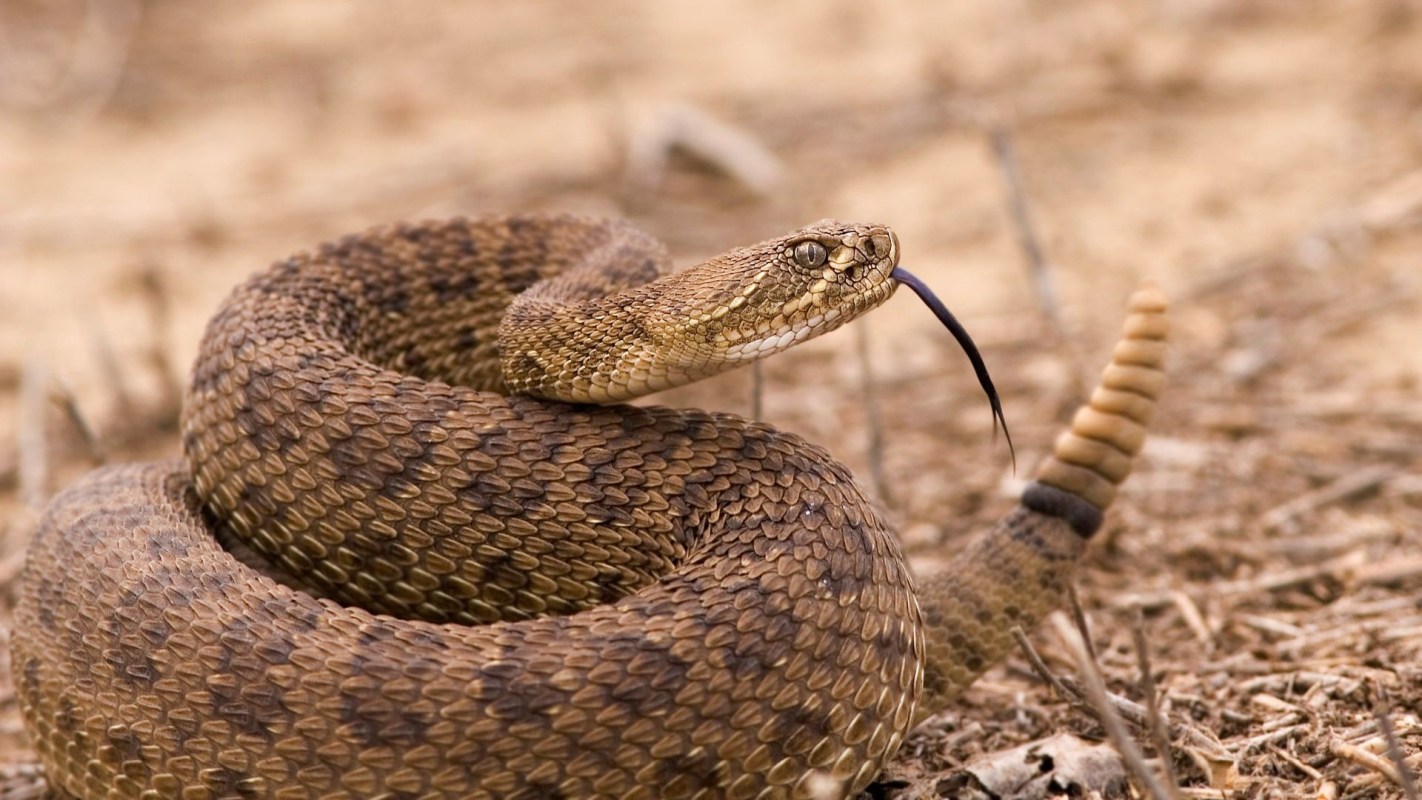
Rescuers in Angeles National Forest were sent scrambling after a California hiker told a family member by text that he had been bitten by a rattlesnake, without giving a precise location.
Rough terrain and heavy tree cover complicated the effort, forcing crews into a nerve-wracking search before they could get him to a hospital by helicopter, according to the New York Post.
What happened?
The response began around 4 p.m. on Monday, Aug. 3, in the Bear Canyon area of Angeles National Forest.
The Los Angeles County Sheriff's Department (LASD) Montrose Search and Rescue Team joined the Altadena Mountain Rescue Team after the hiker's distress message came in.
As the New York Post reported, the emergency started with a text from the hiker saying he had been bitten, but rescuers did not know exactly where he was.
Because Bear Canyon falls within both teams' response areas, they carried out a coordinated search that covered places including the Switzer Falls Trail and Tom Sloan Saddle.
TCD Picks » Quince Spotlight
💡These best-sellers from Quince deliver affordable, sustainable luxury for all




In a Facebook post, the LASD Montrose Search and Rescue Team said: "The victim had texted a family member that he had been bitten by a rattlesnake, but his exact location was unknown."
Despite limited visibility from the air because of thick tree cover, rescuers eventually located the victim and flew him to a nearby hospital for care.
The incident came as over 250 rattlesnakes have been logged in Southern California in 2026.
Why is more awareness important?
While rattlesnake bites are rare, they can become serious very quickly.
Moreover, a bite does not always occur in a remote trail setting.
A Los Angeles County woman was hospitalized after a rattlesnake bit her while she was trimming roses in her backyard garden, and she said tingling reached her fingertips and parts of her face within 30 to 45 seconds.
A toddler was bitten by a rattlesnake hiding behind an Amazon package earlier this year.
In a more serious incident, a 25-year-old cyclist died after a rattlesnake encounter in Irvine.
As BBC Future has reported, dangerous interactions with wild animals can often be linked, at least in part, to the ways people expand into, travel through, and recreate in animal habitat.
The more trails, neighborhoods, and outdoor activity overlap with native species, the greater the chance of a close call, and rising temperatures are increasing the frequency of such encounters.
What can I do?
The rescue highlighted how much coordination these emergencies can require, with two mountain rescue teams on the ground and a helicopter searching above.
Bringing a satellite emergency communication device can make it easier to reach help when cell service is spotty or unavailable, and sharing a planned route with family or friends can help narrow the search area if something goes wrong.
If a rattlesnake bite does occur, the Department of Agriculture advises people to stay calm, limit movement, keep the affected area below heart level, and seek help.
Watching where you step or place your hands — especially near brush, rocks, or shaded areas — can also reduce the odds of an encounter.

Get TCD's free newsletters for easy tips, smart advice, and a chance to earn $5,000 toward home upgrades. To see more stories like this one, change your Google preferences here.







