


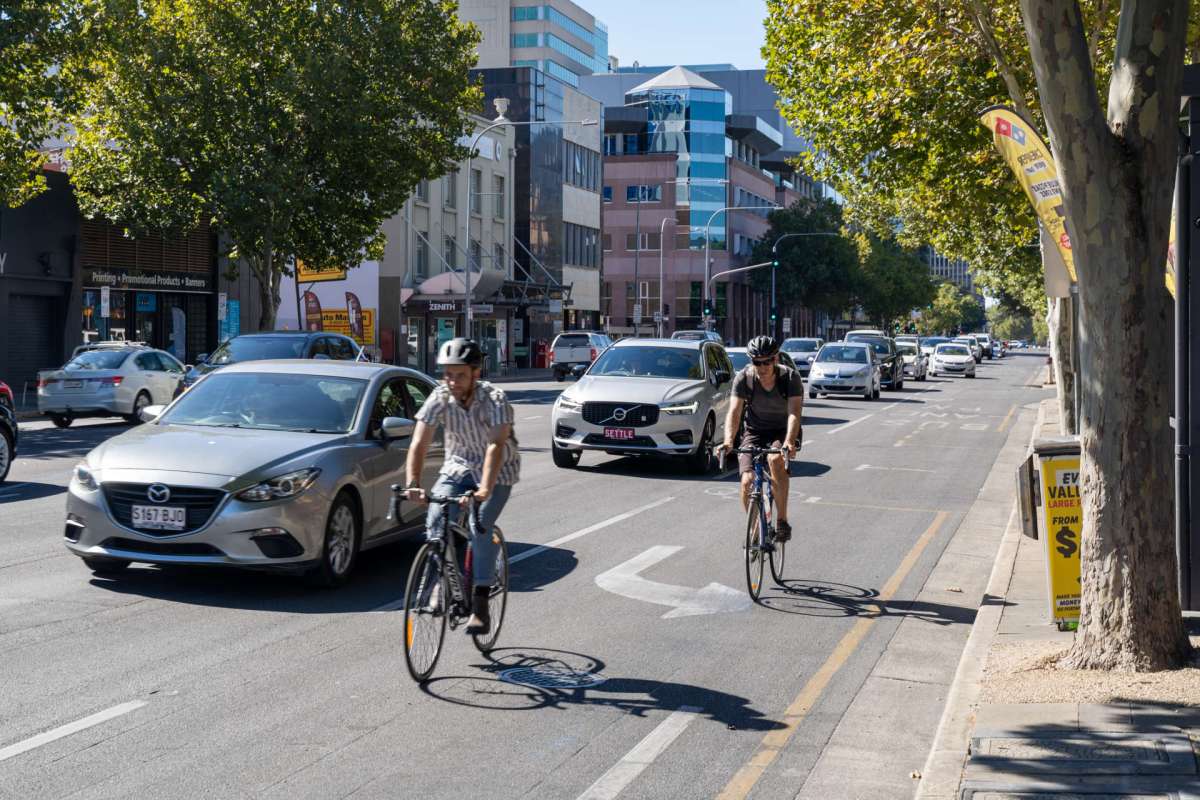
A growing debate among cyclists is reviving an older idea that still shapes United States streets: the belief that bike riders are safest when they behave like cars and ride in traffic.
On Reddit, that philosophy drew criticism from riders who argued that protected bike lanes — not being forced to mix with fast-moving vehicles — are what make cycling safer.
What happened?
Much of the discussion focused on how this view took hold in the first place. The poster traced it back to John Forester, often described as the father of vehicular cycling, and to his efforts in the 1970s and 1980s to oppose Dutch-style bike infrastructure in the U.S.
To make that point, the post highlighted Forester's line, "Cyclists fare best when they act and are treated as drivers of vehicles," and argued that the philosophy had long encouraged riders to accept dangerous proximity to cars. The OP responded with a very different standard: "Cyclists fare best when they do not collide with cars. And the best way to achieve this is physical separation."
The argument for separation also leaned on safety data. The post pointed to a 2011 Montreal cycle-track study that found injuries were 28% lower, and noted that cyclist fatality rates per distance traveled in the Netherlands are roughly one-fifth of those in the U.S. The thread drew more than 100 comments, with many riders focusing on whether street design reflects how physically vulnerable cyclists are.
Why does it matter?
The issue is who streets are really built for.
TCD Picks » Quince Spotlight
💡These best-sellers from Quince deliver affordable, sustainable luxury for all




If safe cycling depends on being confident enough to ride beside large vehicles, many children, older adults, and less-experienced riders are effectively excluded from using bikes for daily transportation.
When people feel comfortable biking, communities can see less traffic, lower transportation costs, quieter neighborhoods, and less pollution from short car trips.
Protected bike infrastructure can also make it easier for people to choose a cleaner, cheaper way to get around.
"As a semi serious road cyclist I hate using bike lanes, but they're objectively good and correct for like 90% of people on bikes," one commenter wrote. Others said poor design can make lanes stressful, especially when they suddenly end, collect debris, or force riders into awkward merges.
What's being done?
The conversation reflects a shift in transportation planning as more people demand bike infrastructure that is continuous, separated, and designed for real-world use — not just painted onto a road as an afterthought.
Several commenters pointed to European examples, especially the Netherlands and Belgium, where bike networks are more fully integrated into everyday travel.
Even there, some riders noted, questions remain about how to accommodate both fast cyclists and casual riders without creating conflicts.
Supporting protected lanes does not mean every existing bike lane is good.
Many commenters said continuity, visibility at intersections, and basic maintenance matter just as much as having a lane at all.
Poorly designed infrastructure can discourage riders, while well-designed networks can make biking realistic for far more people.
"Vehicular cycling is a skill that all regular riders should have, but bike lanes make cycling more accessible and safe," one commenter noted.

Get TCD's free newsletters for easy tips, smart advice, and a chance to earn $5,000 toward home upgrades. To see more stories like this one, change your Google preferences here.







