


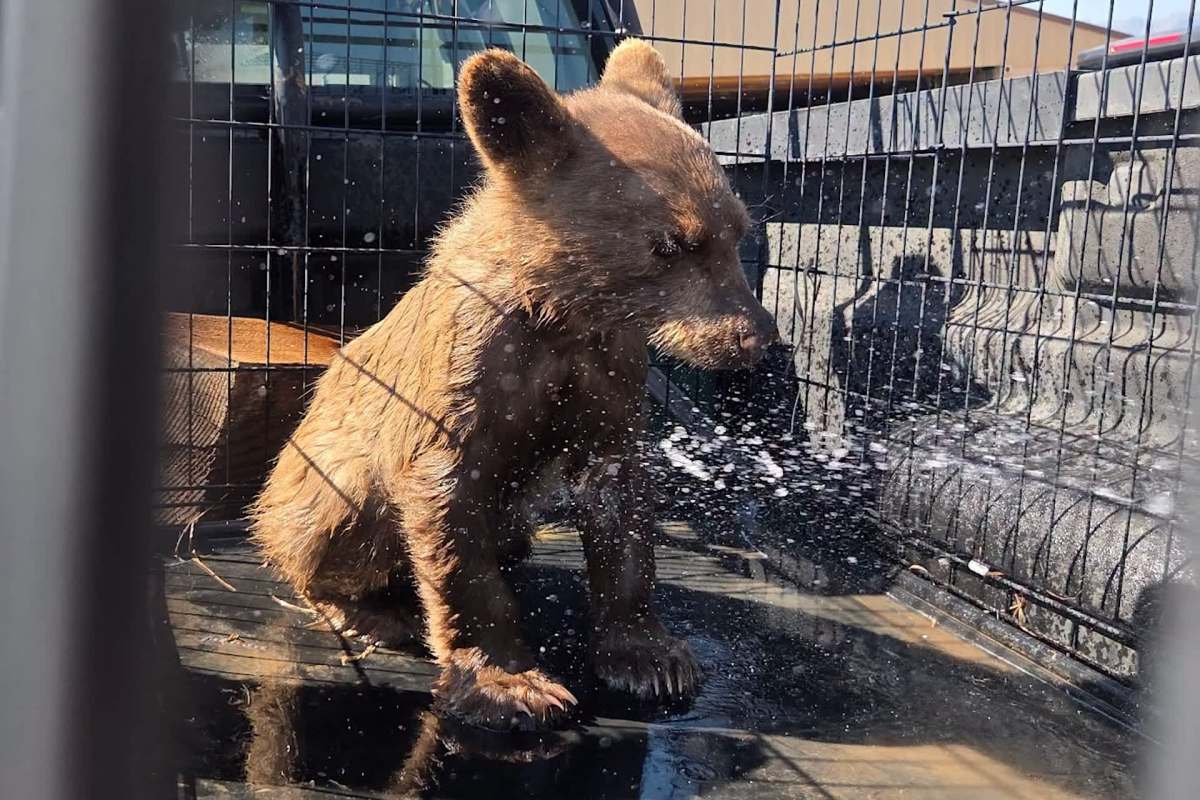
A report of a dog near a rural road south of Westcliffe, Colorado, turned into a wildlife rescue after Custer County deputies found a dehydrated, malnourished baby bear instead.
The unusual response did not end there — after helping the cub, deputies were called again about another bear roaming through town, KKTV reported.
What happened?
Near Airport Road south of Westcliffe, Custer County deputies responded to a report of what a caller said looked like a dog.
Instead, officers came across a baby bear in distress.
Officials said the cub was dehydrated, malnourished, and dealing with a foot injury.
After getting guidance from Colorado Parks and Wildlife, deputies took the cub to the sheriff's office, KKTV reported.
TCD Picks » Quince Spotlight
💡These best-sellers from Quince deliver affordable, sustainable luxury for all




A Colorado Parks and Wildlife officer then picked her up and transported her to the agency's facility near Del Norte for rehab and veterinary treatment.
Deputies told KKTV the cub is expected to spend the winter in an artificial den. After hibernation, she is slated to be released back into the wild.
That was not the last bear call the deputies dealt with, either.
They later responded to a report of a yearling "on the loose" in Westcliffe, moved it out of town, and said Colorado Parks and Wildlife had set a trap in an effort to capture and relocate it.
Why does it matter?
Easy access to garbage, pet food, birdseed, and other human-related food sources can lure bears into human-occupied areas.
Roads and expanding communities can also cut through habitat and create more dangerous movement patterns for animals.
Along with rising temperatures, land development can confuse wildlife and make their standard sources of food and water scarce or non-existent, exacerbating the problem.
As BBC Future explained, many wildlife encounters are spurred on by human encroachment on natural spaces, not just animal behavior alone.
Bears in human habitats can create safety concerns for residents, pets, and drivers, while also increasing the chances that animals will be injured, trapped, or euthanized if conflicts escalate.
What's being done?
Veterinary care, rehabilitation, and an artificial winter den can help the cub recover enough to survive hibernation and eventually return to her natural habitat.
Relocation efforts for the yearling bear are intended to head off a larger conflict.
Moving a bear out of a populated area can reduce the risk of vehicle strikes, property damage, or closer encounters with people.

Get TCD's free newsletters for easy tips, smart advice, and a chance to earn $5,000 toward home upgrades. To see more stories like this one, change your Google preferences here.







