



Summer cooling bills are rising sharply for many U.S. households. Reader's Digest estimates that the typical home will spend about $792 to stay cool in 2026, roughly 10.5% higher than in 2025 and nearly 40% above 2020 levels.
That jump in cost is prompting more people to look for ways to cut electricity use and bills when standard rooftop solar isn't practical, especially for renters and households with roof constraints.
What's happening?
One alternative Reader's Digest highlighted is community solar, which lets households to subscribe to a share of a solar project located elsewhere. The electricity that share produces is applied to the customer's bill as credits, and participants often save about 5% to 20% per year. Because the arrangement doesn't involve installing equipment on the home, renters can usually participate without needing a landlord's approval for rooftop panels.
Another option the outlet discussed is community choice aggregation. In places where it's allowed, a city or county can buy electricity in bulk while the local utility still delivers that power. Depending on the program, residents may see lower rates or a larger share of renewable energy, and some people may already be enrolled without realizing it.
In 13 states plus Washington, D.C., households may be able to choose who supplies the electricity portion of their bill. That means comparing prices, contract terms, and renewable-backed plans while the same utility still handles poles, wires, and outages.
Going solar is still one of the best ways to save money on home energy. If rooftop panels are an option, homeowners can explore EnergySage's free tools to get quick solar installation estimates and compare quotes.
Why does it matter?
For renters, energy costs can be especially hard to control because major upgrades are often off-limits. Options such as community solar, supplier shopping, and demand-response programs give people ways to lower bills even if they don't own their home or have a solar-friendly roof.
Reader's Digest noted that Southern California Edison has a $75 enrollment credit and up to $50 in yearly rewards for eligible thermostat users, while Arizona Public Service provides $50 upfront and $35 each year.
Save $10,000 on solar panels without even sharing your phone number Want to go solar but not sure who to trust? EnergySage has your back with free and transparent quotes from fully vetted providers that can help you save as much as $10k on installation. To get started, just answer a few questions about your home — no phone number required. Within a day or two, EnergySage will email you the best local options for your needs, and their expert advisers can help you compare quotes and pick a winner. |

Demand-response plans ease pressure during the hottest parts of the day by slightly adjusting smart thermostats for short periods, helping reduce peak electricity demand when air conditioners are running at full blast. Similar smart-thermostat programs have also been shown to trim cooling costs by 10% to 15% during heat waves, though results vary by household.
The National Renewable Energy Laboratory's full report put green-power customers at about 9.7 million, with purchases rising 17% over a year.
What can I do?
Check whether community solar is available in your utility area, then examine your electric bill's "generation" or "supply" section to see who provides the power. If your state allows supplier choice, Reader's Digest advised comparing fixed and variable pricing, recurring fees, cancellation costs, and the rate that applies after any introductory deal expires.
A smart thermostat may offer another savings path if your utility has demand-response rewards. Reader's Digest also noted plug-in solar as an emerging option in some states, with portable systems often priced around $500 to $2,000, though renters should verify state requirements, utility policies, and lease terms before buying.
More From EnergySage
💡Go deep on the latest news and trends shaping the residential solar landscape

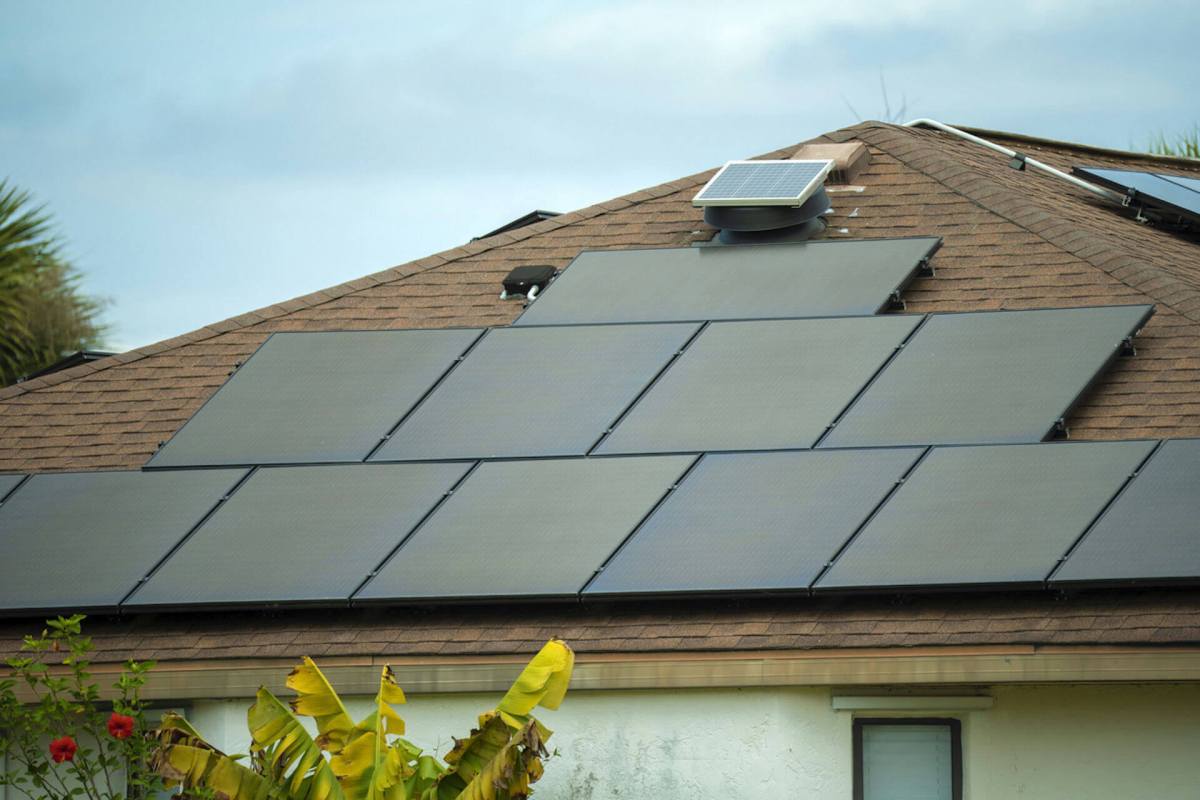

EnergySage's free services can also be valuable for anyone thinking about a larger solar investment. With EnergySage's help, the average person can save up to $10,000 on solar purchases and installations. EnergySage's solar map shows the average cost of a home solar panel system on a state-by-state level and details solar panel incentives for each state, and together these resources can help readers get the best price for rooftop solar panels and access available incentives.
Adding battery storage to a solar setup is one of the best ways to protect your home during outages, save money on energy, and go off grid. Batteries can keep essential devices running and store power for use later when electricity is more expensive or unavailable. Readers can also explore EnergySage's free tools for information about home battery storage options, including competitive installation estimates.
Community solar, smarter rate shopping, thermostat rewards, and plug-in systems can all offer practical ways to spend less on electricity.

Get TCD's free newsletters for easy tips, smart advice, and a chance to earn $5,000 toward home upgrades. To see more stories like this one, change your Google preferences here.






