


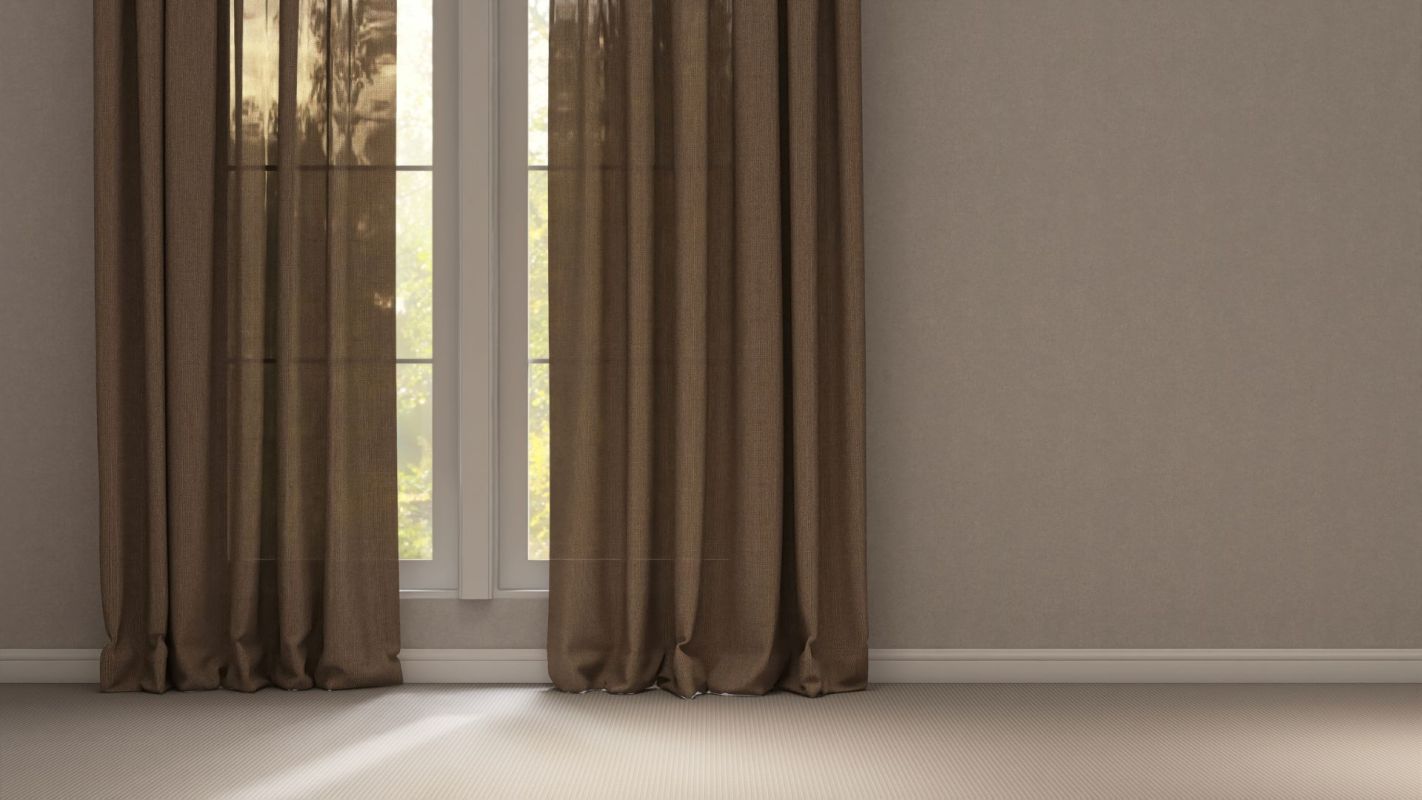
For many first-time renters, the first monthly power bill is a mystery. That uncertainty showed up in a Reddit discussion where a user asked whether blackout curtains could increase costs by making it necessary to turn on more lights during the day.
The replies largely pointed to a different culprit for high power bills.
What's happening?
The conversation took place on the r/Frugal subreddit. The poster, a first-time renter with plenty of electronics already plugged in at home, wondered whether blackout curtains could make rooms dark enough to require more lamp use and slightly raise the monthly bill.
"Would blackout curtains increase our electricity usage if we have to rely on lamps instead of natural lighting?" they asked
Most commenters said that was not the likely outcome.
"AC is way more energy intense than lights, especially if you're using LED bulbs," they wrote. "Additionally, you don't need to use lights in rooms you are not actively in."
TCD Picks » Quince Spotlight
💡These best-sellers from Quince deliver affordable, sustainable luxury for all




Running an extra light or two often adds very little compared with the power an air conditioner needs to offset heat coming through sunny windows.
Still, commenters did not present curtains as a complete fix. One noted that interior curtains "only modestly cut cooling," so blackout curtains may help without solving the issue by themselves.
"Reflective coatings on the OUTSIDE of your windows will do much better," the user suggested. "Some of them still let enough light to pass through that you wouldn't need to use lights inside, either."
They added awnings might be best of all. Overall, though, the sentiment was the OP had nothing to worry about, and they would get a net-positive from the exchange of lights vs. blackout curtains.
Why does it matter?
Unfortunately, renters often have limited control over major energy upgrades in their residence. Renters usually cannot replace windows, add insulation, or install exterior awnings, so lower-cost options such as curtains, blinds, and small habit changes can matter more.
To that end, LED lighting is relatively cheap to run. Blackout curtains can still make financial sense even if they lead to a little more lamp use. If they reduce solar heat enough to lower air-conditioning demand, the savings from reduced cooling can outweigh the small added lighting cost.
Also, when households reduce AC use, it typically lowers both utility bills and the pollution associated with electricity generation.
What can I do?
The biggest energy loads for many households are air conditioning, space heating, water heating, laundry, and older appliances, not efficient LED bulbs.
Blackout or thermal curtains can be especially useful on windows that get strong afternoon sun. Keeping them closed during the hottest part of the day and opening them when outdoor temperatures drop may help keep rooms more comfortable without relying as heavily on AC.
It can also help to combine several small strategies. Use fans so you can raise the thermostat slightly, seal obvious drafts, switch any remaining old bulbs to LEDs, and use task lighting instead of lighting an entire room when you only need one area.
Tracking usage through a utility portal or a plug-in electricity monitor can help show which devices are actually moving the needle.

Get TCD's free newsletters for easy tips, smart advice, and a chance to earn $5,000 toward home upgrades. To see more stories like this one, change your Google preferences here.






