


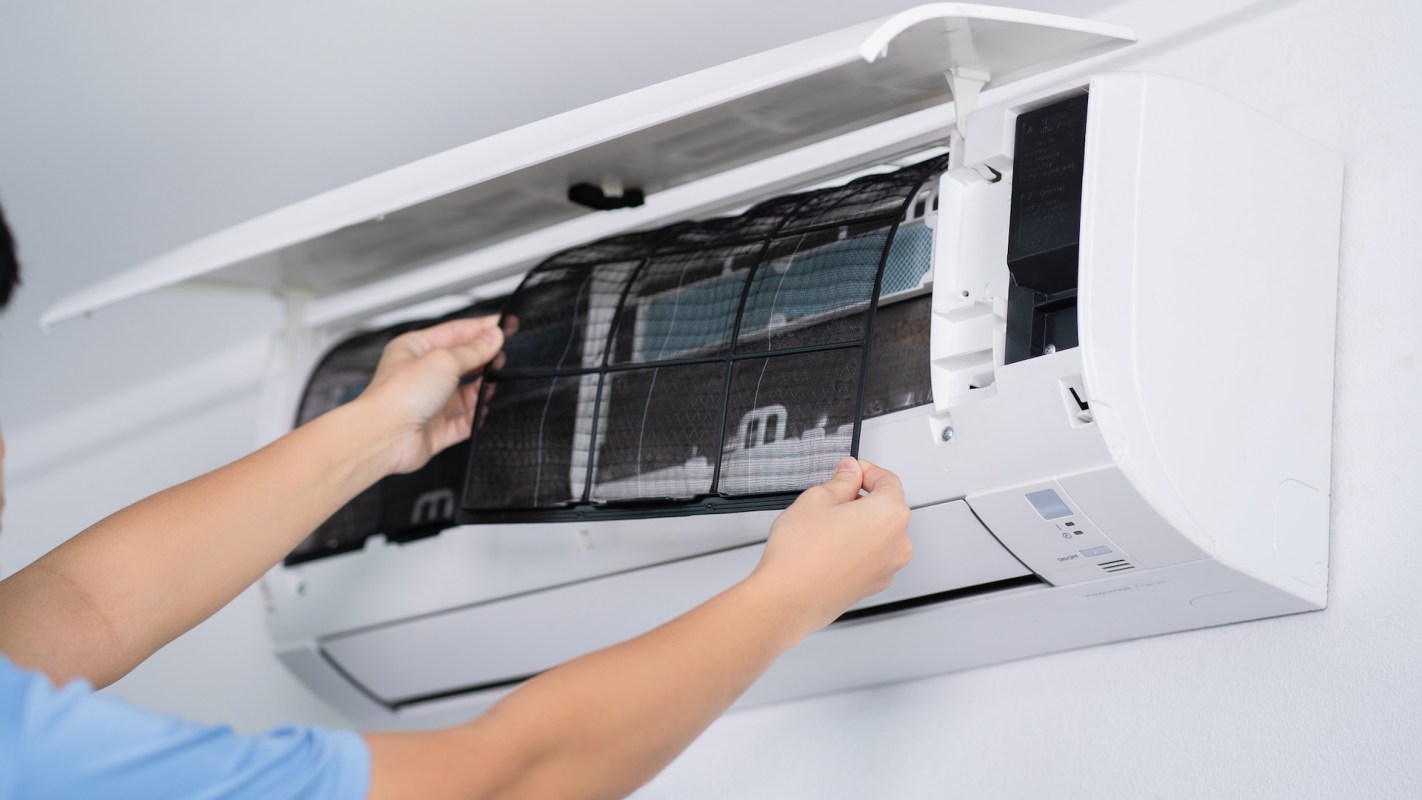
Los Angeles County is updating what counts as a livable rental home as extreme heat becomes a more regular part of life in Southern California.
Beginning in 2027, some landlords will need to offer more than heat and hot water. They will also be responsible for making sure tenants can keep their homes cool.
What's happening?
In unincorporated parts of Los Angeles County, a rule taking effect Jan. 1, 2027, will require landlords to keep rental units at 82 degrees or below, according to LA Public Press.
That change makes cooling part of the county's habitability standard, in contrast with California rules that have long required heating but not cooling.
Amy Tannenbaum, supervising attorney with Public Counsel's Homelessness Prevention Law Project, said the ordinance gives tenants in unincorporated LA County protections beyond what California law currently provides. "Statewide habitability law does not set a standard for cooling."
Its reach is limited to unincorporated communities, so it does not apply in cities such as Los Angeles, Santa Monica, Pasadena, Inglewood, and Glendale.
TCD Picks » Quince Spotlight
💡These best-sellers from Quince deliver affordable, sustainable luxury for all




That means some renters with a Los Angeles mailing address still may not be covered by the new standard.
Meanwhile, the Los Angeles City Council has asked departments to study whether the city should adopt a similar indoor temperature requirement, but no citywide rule has been enacted so far.
Why does it matter?
The change reflects a growing mismatch between intensifying heat and housing rules that have not kept up.
Data cited from the Scripps Institution of Oceanography show California's average summer temperature is already about three degrees higher than it was in 1896 and could climb roughly two more degrees by 2040 if current pollution trends continue.
Daniel Swain, a climate scientist with the University of California Agriculture and Natural Resources, said recent Southern California heat waves have also become more humid, which makes them harder on the body.
"It actually isn't the same dry heat that you're used to, and it actually makes a huge difference in terms of human health risk," Swain said.
For renters in buildings that hold heat or lack effective cooling, those dangers can be especially severe. Swain also said hot nights are particularly harmful because they leave the body with less chance to recover after extreme daytime temperatures.
Extreme indoor heat can undermine sleep, health, and safety while also raising energy bills, especially for low-income renters already strained by high housing costs.
What's being done?
Rather than requiring one specific appliance, the county's ordinance sets a temperature outcome.
Landlords can start with passive measures such as insulation, window coverings, shade structures, and fans. If those steps still fail to keep a unit at 82 degrees or below, mechanical cooling such as air conditioning may be required.
Becky Schlikerman, a spokesperson from the Los Angeles Department of Public Health, said several challenges are likely, including installation costs, aging buildings, and strain on the electrical grid.
Enforcement is expected to start in 2027 through the county's Rental Housing Habitability Program, with complaints — not routine inspections — driving most cases.
Officials said inspectors will take an "education first" approach, and landlords who are unable to comply right away may ask for extensions.
Tannenbaum warned, however, that enforcement may still move slowly, which could leave some tenants waiting a long time or even pursuing legal action before unsafe conditions are fixed.
If a complaint does become necessary, saving messages with landlords, taking photos or videos, and recording temperatures on an indoor thermometer could all help.
Another unanswered issue is who will pay to operate the cooling system. As Tannenbaum noted, if tenants already pay their own electricity bills, those added costs could fall on them.
Skip Koenig, director of pro bono at Neighborhood Legal Services of Los Angeles, said: "The biggest concern is going to be the cost."

Get TCD's free newsletters for easy tips, smart advice, and a chance to earn $5,000 toward home upgrades. To see more stories like this one, change your Google preferences here.






