


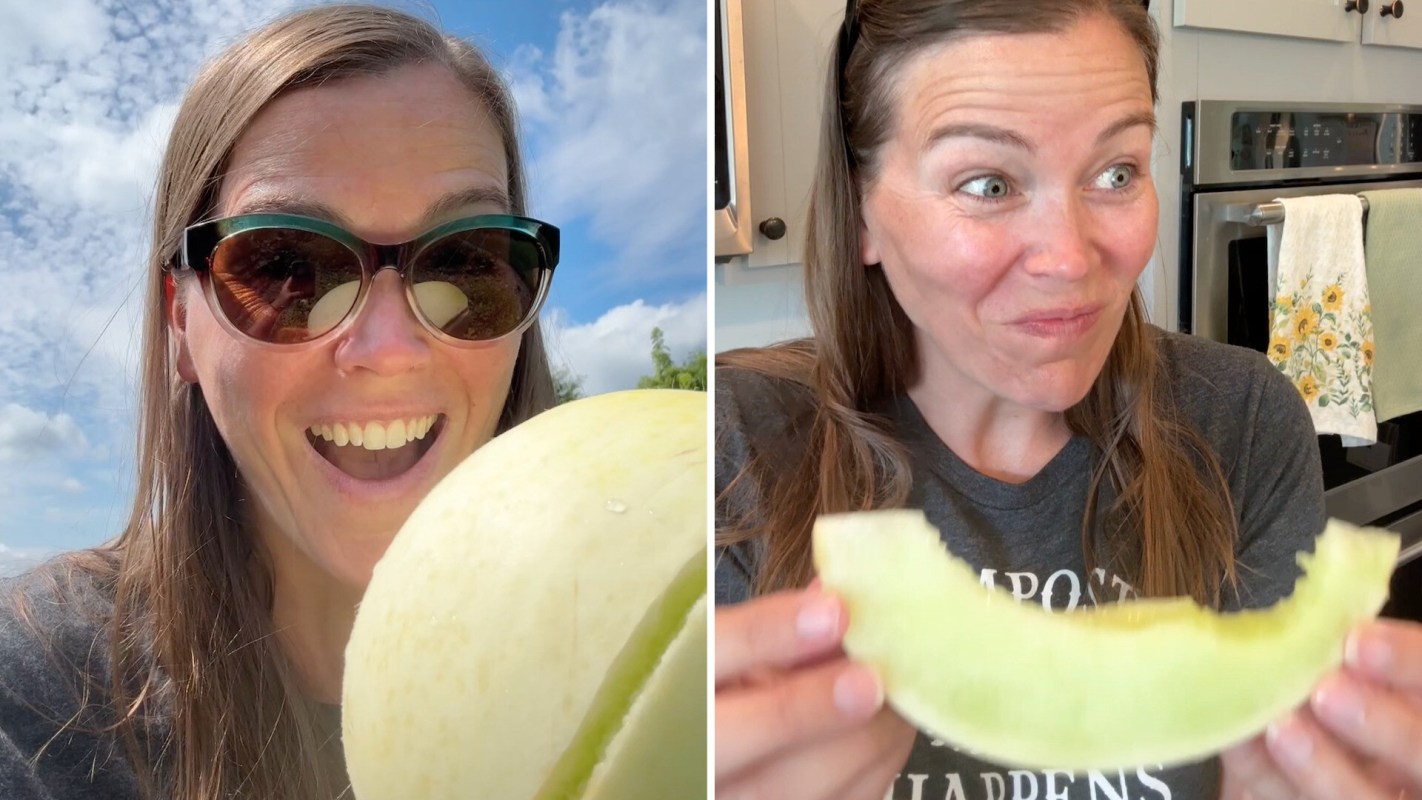
A Maryland gardener's backyard harvest was small but dramatic: one honeydew melon, picked just before it could spoil on the vine.
The moment captured a familiar challenge for home growers, where timing can make the difference between a perfect harvest and a missed opportunity.
What happened?
Christen (@verygoodgardening) had to rush to her melon patch to check whether the fruit had spoiled during a period of bad weather.
Fortunately, most of the melons had survived the storm, but one had cracked. Luckily, it practically fell off the vine, and it smelled perfectly ripe.
"I honestly feel lucky that I was able to harvest this melon before it turned bad on the vine," the creator wrote in the caption. "These melons have been so sweet and I have a cantaloupe waiting for me!"
@verygoodgardening This #harvest includes one honeydew melon from my #backyardgarden I honestly feel lucky that I was able to harvest this melon before it turned bad on the vine. These melons have been SO sweet and I have a cantaloupe waiting for me! #growyourownfood #maryland ♬ original sound - VeryGoodGardening
Produce can go from not quite ready to overripe faster than many people expect, especially in hot summer weather. In this case, Christen had some luck on her side.
TCD Picks » Quince Spotlight
💡These best-sellers from Quince deliver affordable, sustainable luxury for all




Why does it matter?
Growing food at home can help people lower grocery bills, especially when produce prices are high and fresh fruit can be expensive by the pound.
Homegrown produce can also deliver better flavor. Fruits such as melons often taste sweeter when they are allowed to ripen naturally and are picked near peak readiness, rather than being harvested early for shipping and storage.
Gardening can also provide light physical activity through digging, watering, weeding, and harvesting while also supporting mental well-being by reducing stress and creating a calming outdoor routine.
On the environmental side, home gardens can reduce the need for long-distance transportation and excess packaging. Even a small harvest can yield real food from a yard, patio, or raised bed.
What can I do?
Starting small is often the best approach. A few containers, a raised bed, or a corner of a yard can be enough to begin growing herbs, tomatoes, cucumbers, or melons, depending on the space and sunlight available.
Keeping an eye on ripeness is key. Gardeners can learn the signs for each crop — such as changes in color, scent, texture, and stem condition — to avoid losing fruit on the vine. Regular checks can be especially helpful during hot stretches, when produce can ripen quickly.
Home gardening does not need to be massive to be worthwhile. Even one well-timed melon can mean fresher food and a little money saved.

Get TCD's free newsletters for easy tips, smart advice, and a chance to earn $5,000 toward home upgrades. To see more stories like this one, change your Google preferences here.






