


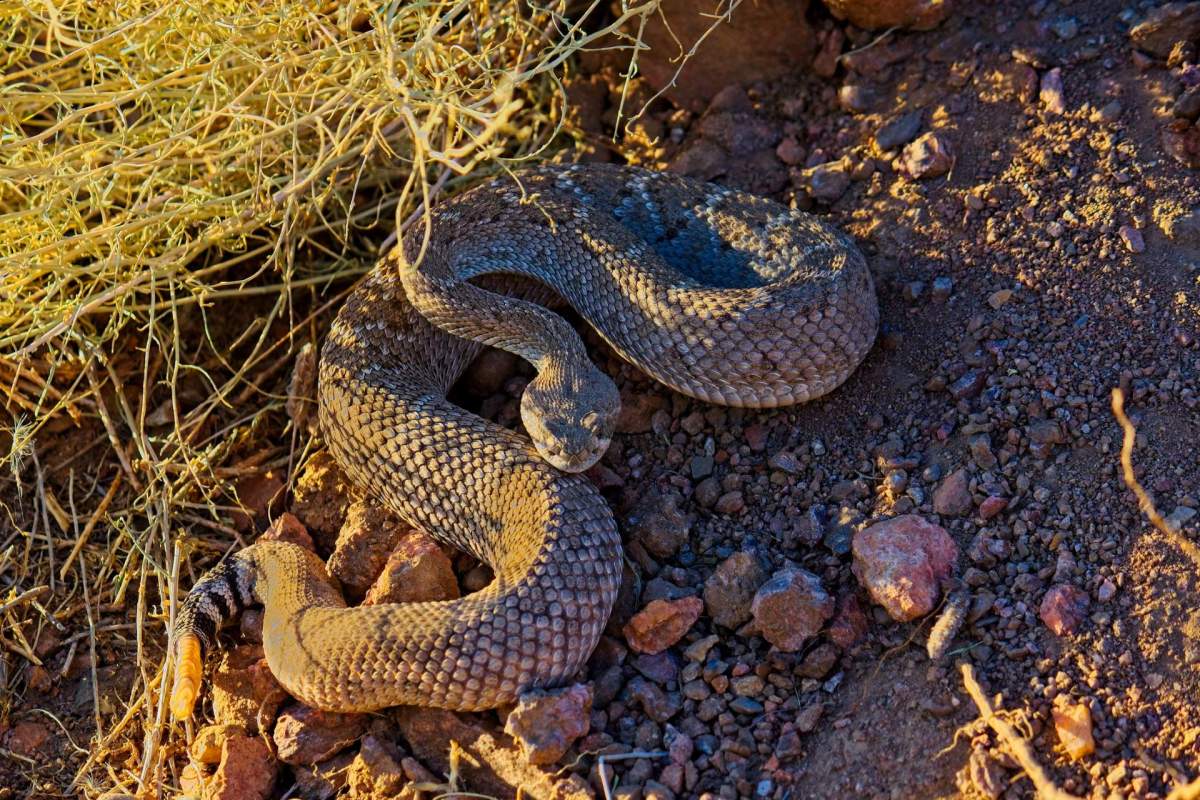
Green Valley recorded its second reported rattlesnake bite of 2026 when a woman was hospitalized in Tucson after she was bitten while taking a friend home.
What happened?
According to Green Valley News, Santa Rita Fire District spokeswoman Amy Shultz said the incident occurred shortly before 8 p.m. near Camino Del Sol and Calle Tres, and the woman was taken to a Tucson hospital.
Only one other local rattlesnake bite has been reported in 2026, the paper noted. The first incident was an April case in which a resident was bitten while gardening.
Even with fewer bite victims than in 2025, snake-related calls are still frequent locally. Shultz told Green Valley News that Santa Rita Fire District crews dealt with 266 desert pests in July alone, most of them snakes.
In 2025, seven residents were hospitalized after rattlesnake bites, the publication added. The count also included two bites from snakes that were not seen and one from a nonvenomous snake.
All in all, the fire district answered more than 3,200 snake removal calls in 2025, according to Green Valley News.
TCD Picks » Quince Spotlight
💡These best-sellers from Quince deliver affordable, sustainable luxury for all




Why does it matter?
Human development in desert regions means more homes, roads, yards, and nighttime activity in areas where snakes already live.
That overlap can increase the chances of surprise encounters, particularly around landscaping, patios, and neighborhood streets. Many wildlife attacks happen not because animals are actively seeking out people, but because human activity changes how often the two come into contact, as BBC Future explained.
The risk is not limited to remote hiking trails or open desert. Someone can be walking to a car, taking out the trash, or dropping off a friend and still end up dangerously close to a venomous snake.
Rattlesnakes play a key role in desert ecosystems because they help control rodent populations. Keeping residents safe while avoiding unnecessary harm to wildlife is an increasing challenge in rapidly expanding communities.
What can I do?
Trained responders are helping residents deal with snakes instead of attempting to handle them on their own.
Wearing boots and gloves while gardening, using a flashlight outdoors after dark, and avoiding putting hands or feet into brush, rock piles, or hidden corners can help reduce the chance of a bite.
It can also help to keep yards tidy, trim dense vegetation, and limit places where rodents gather, since rodents can attract snakes. Pet owners should be especially cautious in the evening and around walls, shrubs, and warm pavement.

Get TCD's free newsletters for easy tips, smart advice, and a chance to earn $5,000 toward home upgrades. To see more stories like this one, change your Google preferences here.







