


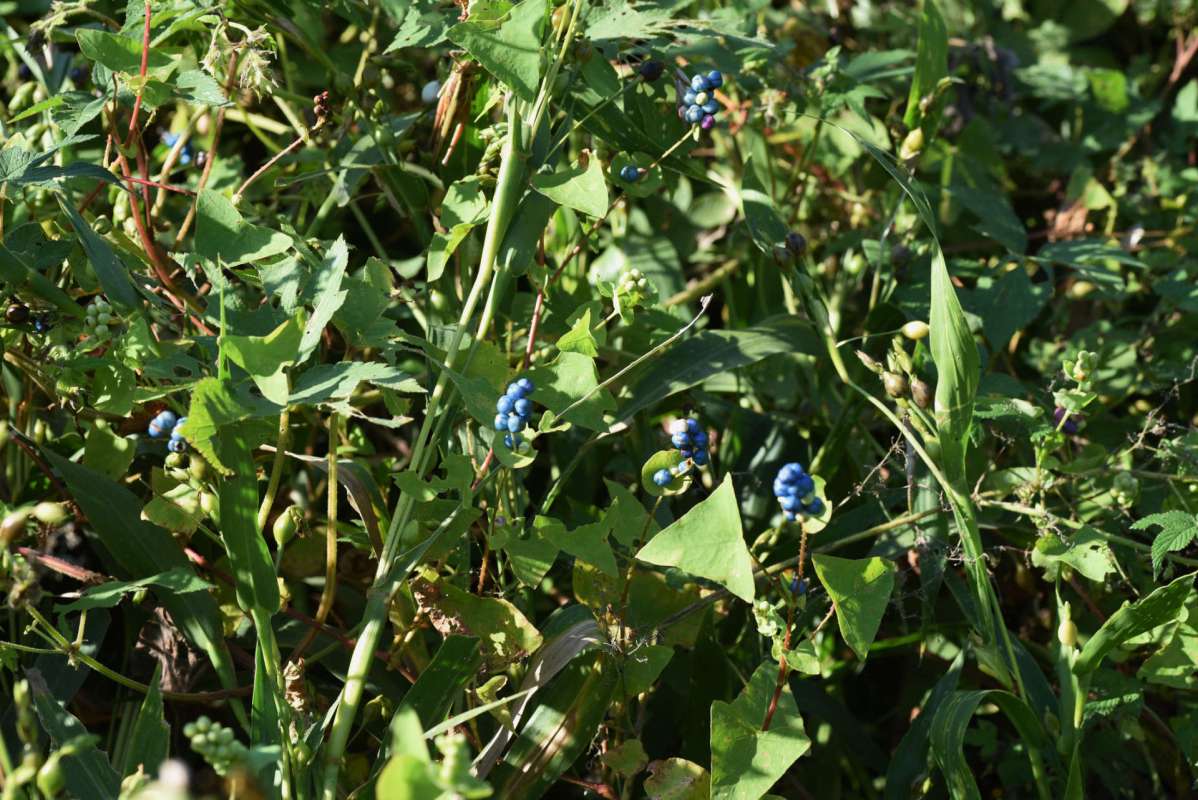
Michigan officials have confirmed mile-a-minute weed, an invasive vine, in Jackson County. Nearby forests, farms, and restoration areas are now at risk.
The plant spreads fast. It can climb over nearby vegetation and smother young trees before land managers have much time to react.
What happened?
A resident reported the plant online through the Midwest Invasive Species Information Network, according to WDIV ClickOnDetroit. That tip led Michigan's invasive species program to investigate, and the state's Department of Natural Resources confirmed the detection.
The Jackson County population sits roughly 4 miles from Whitehouse Nature Center at Albion College in Calhoun County, where mile-a-minute weed was first spotted in the state in 2020. It's under 2 miles from the closest previously known patch in Calhoun County.
Mile-a-minute weed completes its life cycle within a single growing season and takes hold easily in sunny, disturbed spots with damp soil. Look for it near creeks and streams, along roadsides and fence lines, and at the edges of wooded areas, anywhere it can grab onto something to climb.
WDIV reported that the plant has slender green or reddish stems, leaves shaped like triangles, small hooked barbs, and clusters of blue, berry-like fruit that show up by midsummer.
TCD Picks » Quince Spotlight
💡These best-sellers from Quince deliver affordable, sustainable luxury for all




Why does it matter?
The vine can reach roughly 25 feet in as little as six weeks. It forms a canopy that blocks sunlight from reaching the plants below.
That kind of takeover can weaken local ecosystems and set back restoration work. When native plants get crowded out, wildlife loses food and shelter. Communities end up spending more time and money on cleanup.
The DNR warns that orchards, Christmas tree farms, and reforestation sites are especially vulnerable, since the vine can bury seedlings and young trees.
The vine's height also makes it hard to manage. Once it climbs into a tree canopy, standard herbicide treatments become far less effective. Its berries can also start new infestations, since birds, other animals, and even people can carry the seeds to new areas.
What can I do?
If you spot a plant that looks like mile-a-minute weed, compare it against the identification photos found on the state's invasive species site.
If it looks like a match, snap a few clear photos, note the exact location, and submit a report through the state's reporting system. Early reports give officials a better shot at confirming the sighting and stepping in before the infestation spreads.
Hand-pulling works well for smaller patches, as long as it happens before the berries ripen. Bag the removed plant material twice, then leave it in direct sunlight for several days so it can break down before disposal in a landfill or by incineration.
Seeds can stay viable in the ground for as long as 6 years, so keep checking treated areas for regrowth. New sprouts can be mowed down or tilled under in spring or early summer, ideally before they fruit, since even unripe green berries may already hold seeds capable of sprouting.
Michigan's invasive species tend to spread fast once they take hold, a problem crews are also fighting with the kudzu vine farther south.

Get TCD's free newsletters for easy tips, smart advice, and a chance to earn $5,000 toward home upgrades. To see more stories like this one, change your Google preferences here.







