


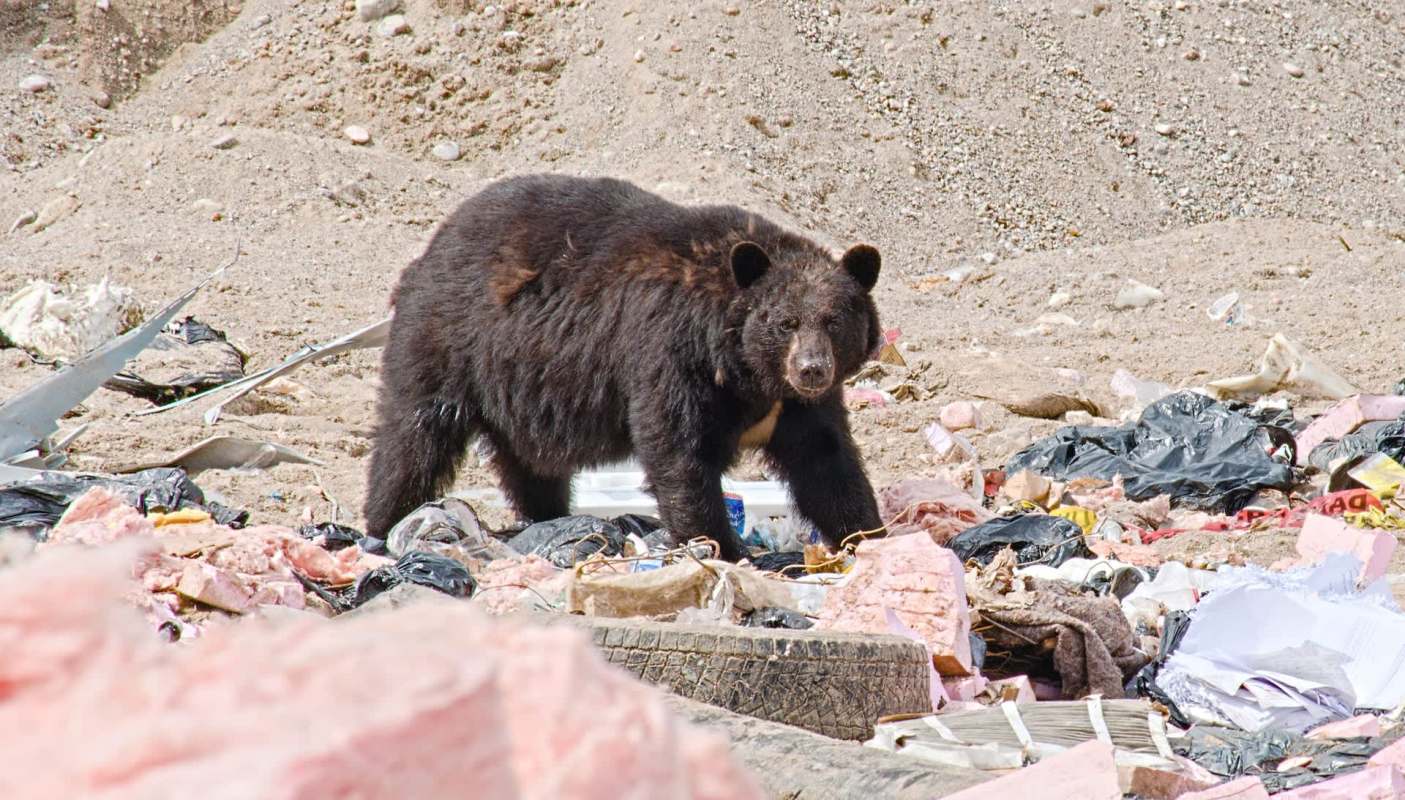
After sightings from Thursday through Sunday night in Doña Ana, New Mexico, wildlife officials safely captured a black bear that had been turning up near houses, a pecan orchard, and a retirement community, according to KFOX14/CBS4.
The capture followed an extended search and repeated resident reports that the outlets previously documented.
What happened?
Initial reports came Thursday after the bear was seen getting into a dumpster near the Evergreen Retirement Community.
Later Thursday evening, while New Mexico Department of Game and Fish conservation officers searched for the animal, New Mexico State Police set up a perimeter around a nearby pecan orchard where it was believed to be, as KFOX14/CBS4 reported.
The first search didn't locate the bear, and residents continued reporting sightings in the area through Sunday. New Mexico Game and Fish officials ultimately caught the bear using a trap Sunday night.
Officials said no injuries were reported in connection with the incident, the stations noted. The whole saga surprised locals like Elias Madrid, who spotted the bear on his property.
TCD Picks » Quince Spotlight
💡These best-sellers from Quince deliver affordable, sustainable luxury for all




"It was a very big bear, it wasn't a small bear it was a mature looked like a male bear, but they took him right away," he told KFOX14/CBS4.
Why does it matter?
The sightings happened near homes and a retirement community, placing the bear in spaces used by residents. Encounters in places where people live, walk, and drive increase the risk of panic, traffic hazards, or unsafe attempts to get a closer look.
Bears are often drawn to easy food sources, and a dumpster near housing, along with crops in an orchard, can create a strong incentive to stay close to people instead of moving back into less developed habitat.
In many cases, reducing attractants is one of the clearest ways to lower the risk of future encounters for residents and wildlife alike.
KFOX14/CBS4 reported that wildlife officials suggest that unusual conditions potentially drew the bear to the area. They explained that a very dry spring and summer may have led the bear to leave its mountain habitat and natural food sources to find food and water in the Mesilla Valley.
What's being done?
The response included a search, a police perimeter around the orchard, and, in the end, a safe capture using a trap.
Securing trash, avoiding outdoor food sources, bringing pet food inside, and promptly reporting sightings can all help reduce the chance that a bear learns to associate neighborhoods with an easy meal.
Communities near wildlife habitat can also benefit from better public awareness and stronger waste-management practices, including bear-resistant containers where appropriate. In this case, unusual weather potentially upped the chances of a rare visit, which shows the unpredictability of wild animals and the climate.
"It's hard to believe, but in my 84 years that I've lived here, we have never had an experience with any bear, I mean any bears," Madrid shared with KFOX14/CBS4.

Get TCD's free newsletters for easy tips, smart advice, and a chance to earn $5,000 toward home upgrades. To see more stories like this one, change your Google preferences here.







