


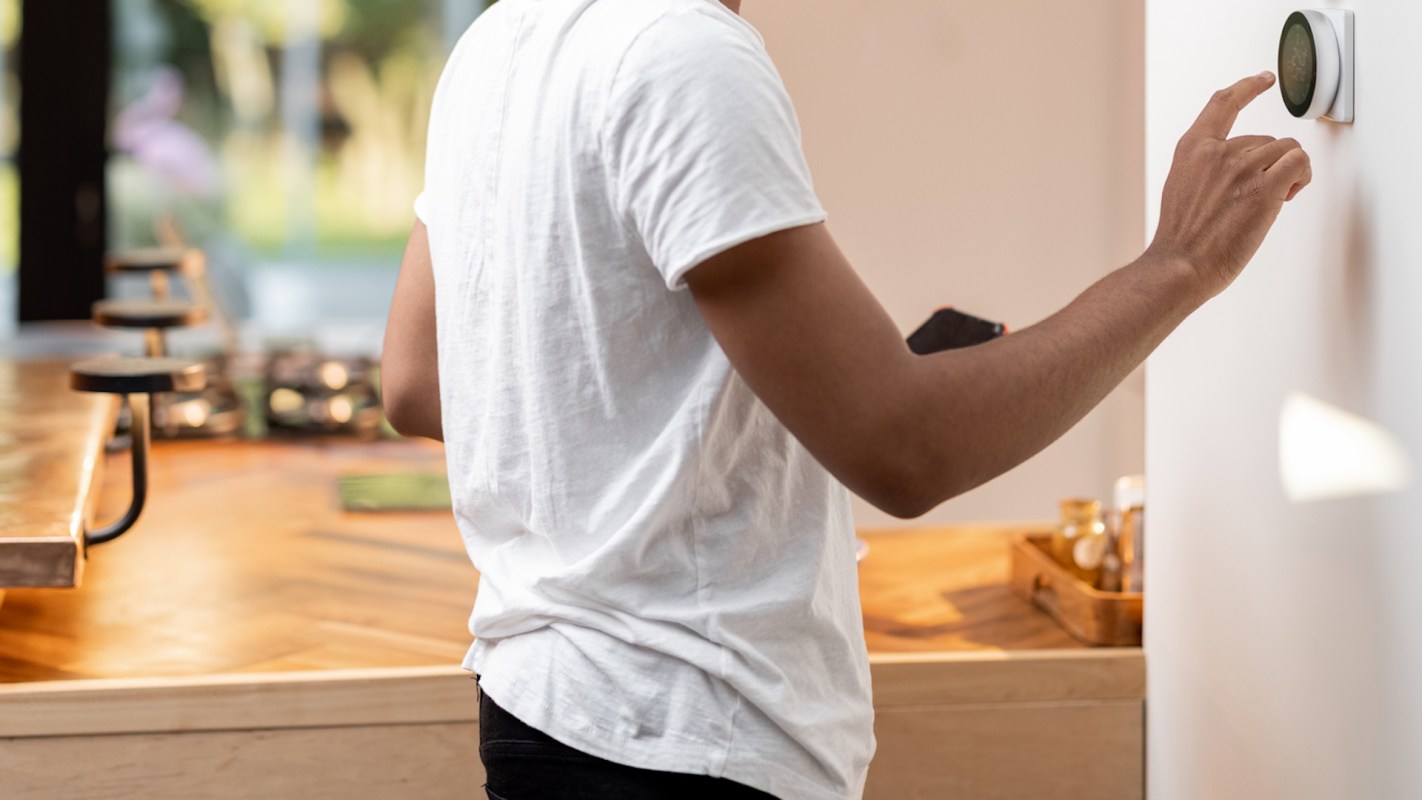
When your air conditioner starts cycling on whenever you cook, the cause may have more to do with your home than with the summer heat outside. In some cases, the thermostat is the real issue.
As Southern Living explained, if that thermostat is installed in the kitchen or close by, brief waves of heat from cooking can throw off its reading and kickstart a wasteful cycle.
What's happening?
In a home-maintenance explainer, the outlet said a thermostat near the kitchen can create "ghost readings" that cause your cooling system to run more than it needs to.
The problem comes down to localized heat. Ovens, stovetops, and even boiling water can briefly warm the air near the thermostat, prompting the AC to react as though the entire house has heated up.
That means you can end up overcooling areas that were never warm in the first place. Southern Living said cooking raises the kitchen temperature, the AC keeps sending cold air elsewhere, other rooms start to feel chilly, and your energy costs go up.
If you are already thinking about replacing an aging system prone to these sorts of issues, EnergySage can help homeowners understand their HVAC options and slash their energy bills with new, efficient technology.
Through its heat pump marketplace program, EnergySage can help you find efficient heating and cooling solutions for your home and connect you with trusted installers.
Why does it matter?
For many households, air conditioning is one of the biggest summer energy expenses. Even a small thermostat placement mistake can cost you money by triggering unnecessary cooling cycles.
Save $10,000 on solar panels without even sharing your phone number Want to go solar but not sure who to trust? EnergySage has your back with free and transparent quotes from fully vetted providers in your area. To get started, just answer a few questions about your home — no phone number required. Within a day or two, EnergySage will email you the best options for your needs, and their expert advisers can help you compare quotes and pick a winner. Solar panels can save you more than $50k over their 25-year lifespan, and EnergySage can help you save as much as $10k on installation. Which begs the question — isn't that worth an email or two? |

If your thermostat is responding to kitchen heat instead of your home's average temperature, you may find yourself constantly adjusting the settings and wondering why your AC never seems to stabilize.
Upgrading your heating and cooling system is one of the best ways to reduce utility bills and protect yourself against rising energy prices. A well-placed thermostat can help, but if your HVAC system is older or inefficient, you could still be paying more than necessary.
When your AC runs harder than it needs to, that added electricity use does not just affect your wallet. It can also put more strain on the grid during the hottest parts of the year, when power demand is already elevated.
What can I do?
Check where your thermostat is installed. If it is near the kitchen, in direct sunlight, or close to another heat-producing area, asking an HVAC professional about relocating it could help reduce wasted cooling and lower your summer bill, Southern Living noted.
If your system is due for an upgrade, EnergySage can also help you compare efficient heating and cooling options before you buy.
If you're not ready to spend up front, another company, Palmetto, offers a $0-down HVAC leasing program that can lower your energy costs by up to 50%. Palmetto's HVAC leases start as low as $99/month and include 12 years of free maintenance.
At a lower price point, Merino makes single-room ultra-efficient HVACs for targeted heating and cooling that can be installed in under an hour:
You can also pair solar panels with electric appliances, like efficient HVACs, to drive your utility costs even lower. EnergySage makes it easy to find the best solar panel system and installer for your home and budget, saving you up to $10,000 on installation.

Get TCD's free newsletters for easy tips, smart advice, and a chance to earn $5,000 toward home upgrades. To see more stories like this one, change your Google preferences here.






