


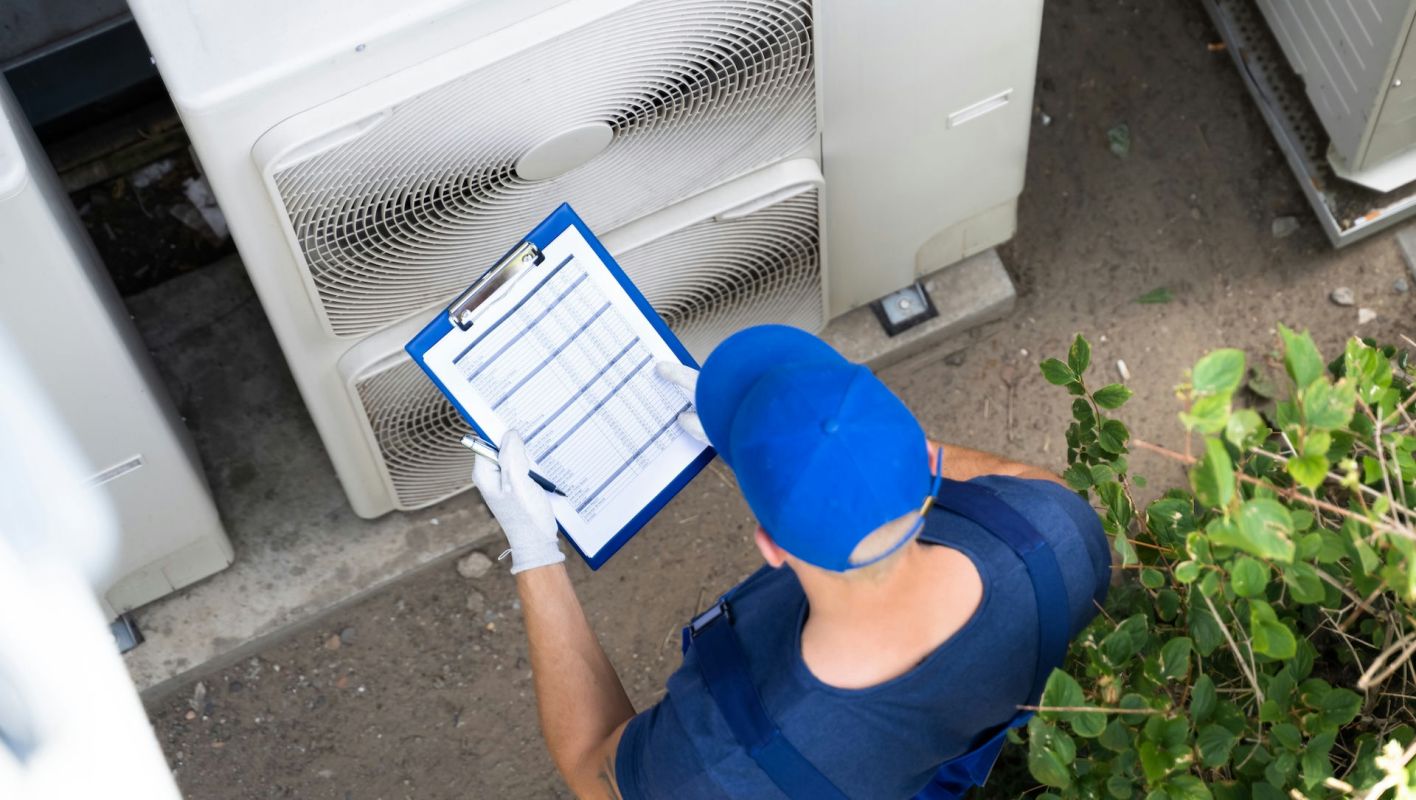
For homeowners who may not have needed AC service in a long time, today's prices can be a rude awakening. Since the start of the COVID pandemic in 2020, the cost of repairs and replacements has gone up sharply.
What's happening?
Air conditioner repair and replacement costs have risen in recent years. The average price of a new HVAC system has climbed from roughly $6,000 in 2020 to around $12,000 today, House Digest reported.
Repair bills have gone up as well, with average AC fixes now costing about $150 to $3,000, compared with roughly $125 to $2,000 five years ago. Some HVAC companies estimate replacement AC prices rose another 30% to 40% between 2024 and 2025 alone, according to House Digest.
Part of the increase stems from federal rules that now require more efficient equipment and a newer refrigerant called R-454B, which replaced R-410A. The updated refrigerant is more environmentally friendly, while newer efficiency standards are meant to reduce energy use.
Costs are also being pushed higher by more expensive parts, supply chain disruptions, inflation, tariffs, and a shortage of trained technicians, according to the Southern Nevada Air Conditioning Refrigeration Service Contractors Association.
Why does it matter?
Because air conditioners are estimated to last about 15 to 20 years, many households are reaching the point where delaying a major repair or a full replacement is no longer realistic.
TCD Picks » Quince Spotlight
💡These best-sellers from Quince deliver affordable, sustainable luxury for all




That can leave families in a difficult position, especially during stretches of extreme summer heat. Trying to save money with a smaller system can also backfire, since an undersized unit may run longer, cool less effectively, and leave behind uncomfortable humidity. A lower upfront price, in other words, can lead to higher monthly bills later.
Still, those savings may feel out of reach for households facing a five-figure replacement bill today.
What can I do?
If your current system is still running, regular maintenance may help delay a costly emergency replacement. Changing filters, sealing leaks, cleaning around outdoor units, and scheduling inspections can all help an AC run more efficiently and potentially last longer, according to Carrier.
If replacement is unavoidable, get multiple quotes and ask contractors to size the system carefully for your home. Bigger is not always better, but a unit that is too small can create its own costs. The goal is a system that cools effectively without wasting energy.
If your current unit still uses older refrigerant, planning ahead may be wiser than waiting for a breakdown during peak summer demand, when prices and delays can be even worse.
For many households, the biggest challenge is timing: Air conditioners rarely fail when budgets are ready for them.

Get TCD's free newsletters for easy tips, smart advice, and a chance to earn $5,000 toward home upgrades. To see more stories like this one, change your Google preferences here.






