


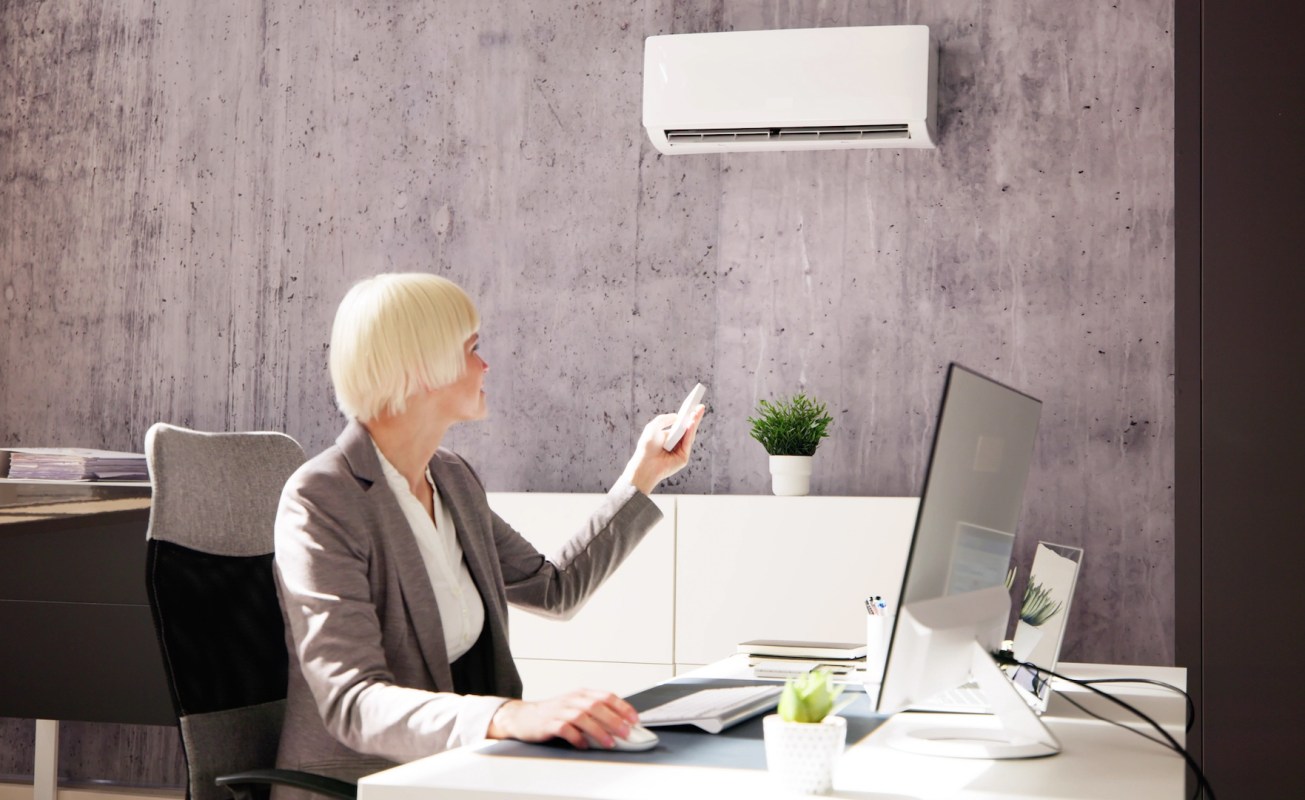
Temperatures are reportedly rising to the triple digits in Northwest Florida, and homes and businesses are now relying on air conditioning as a result, WEAR-TV reported.
That added strain has residents questioning whether the power grid can keep up and maintain what they need to survive these extreme temperatures.
What's happening?
Florida Power & Light says weather in the upper 90s is the kind of condition it plans for because it can drive demand sharply higher, according to WEAR-TV. The utility says it maintains reserve power and a distribution system intended to carry heavier loads during extreme weather.
"That's part of our planning process is to make sure that we have enough in reserve to be able to serve our customers when it's really hot or really cold," Sarah Gatewood of Florida Power & Light told the outlet.
But the prices are high. For example, keeping the Seville Quarter in Pensacola, Florida, cool through the summer means the air conditioning units run around the clock. General manager Jack Williams told WEAR-TV that the venue's monthly electric bill has now risen to above $30,000.
Why does it matter?
When a dangerous heat wave settles in, electricity keeps indoor spaces livable, protects vulnerable residents from heat-related illness, and helps businesses stay open during the hottest part of the year.
TCD Picks » Quince Spotlight
💡These best-sellers from Quince deliver affordable, sustainable luxury for all




But prolonged heat can also send utility bills soaring.
For businesses with large indoor spaces, that increase can be especially dramatic, and families feel it too when AC units are running all day and overnight.
What's being done?
On the utility side, FPL told WEAR-TV it prepares by keeping reserves available and using a distribution system designed to handle peak-demand periods.
Customers can also lower usage without giving up cooling altogether by using blinds or curtains during the hottest hours, avoiding heat-producing appliances when possible, and raising the thermostat a degree or two when away from home.
Businesses may have fewer options when they need to keep customers comfortable, but small efficiency measures such as checking HVAC maintenance, sealing leaks, and using programmable controls can reduce strain and costs.

Get TCD's free newsletters for easy tips, smart advice, and a chance to earn $5,000 toward home upgrades. To see more stories like this one, change your Google preferences here.






