


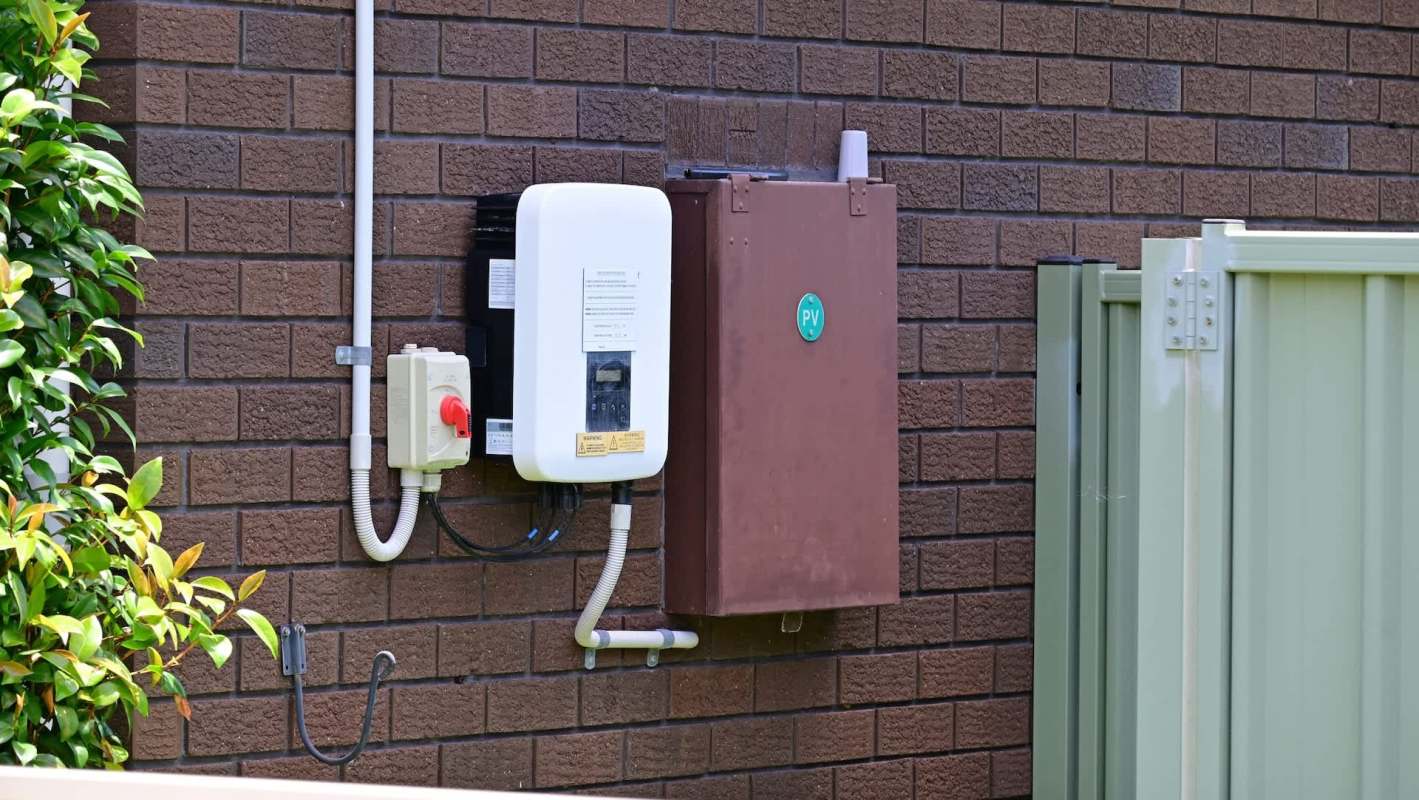
A U.S. regulatory move could have major consequences for people who rely on portable power stations and home batteries when the grid goes down, according to Notebookcheck.
While much of the recent attention has centered on a proposed crackdown on Chinese robotic vacuums and lawnmowers, the Federal Communications Commission is also targeting foreign-made smart inverters.
What's happening?
Security concerns tied to remote firmware access and possible surveillance exposure led the FCC's Public Safety and Homeland Security Bureau to add foreign-made power inverters to the agency's Covered List, Notebookcheck reported.
In backup energy setups, the inverter is the component that turns stored battery power into electricity a home can actually use, which is why it's so essential.
That matters because portable power stations and home battery systems are built around inverters, and much of that hardware is made in China. If new imported models cannot secure equipment authorization, manufacturers may have trouble bringing updated systems to the U.S. market, especially products with Wi-Fi or Bluetooth connectivity.
Equipment already in people's homes will not suddenly stop working, and products that have already been authorized for sale can remain on the market.
TCD Picks » Quince Spotlight
💡These best-sellers from Quince deliver affordable, sustainable luxury for all




Why does it matter?
It's the product pipeline that's at stake here. Fewer new models could mean slower innovation, tighter supply, and less competition.
For many households, backup batteries are practical tools for emergency situations and everyday savings when paired with home energy systems.
Off-grid users and people living in outage-prone communities may feel the effects most if choices narrow and prices rise.
The FCC's approach does keep public interest in mind. It likely wants to create energy systems that are safer, more secure, and less vulnerable to outside interference.
If the policy pushes manufacturers toward more transparent software and stronger supply chain oversight, it could help support a cleaner, more resilient energy future that people can trust.
At the same time, critics may argue that an overarching crackdown could make resilient energy technology less affordable for ordinary families. If fewer connected power stations and home batteries are certified, consumers could face higher upfront costs while preparing for more extreme weather and growing grid instability.
What's being done?
One likely path forward would be narrow approvals or supply chains reworked around domestic components.
Those steps could help address security concerns without cutting consumers off from critical backup power options.
Manufacturers also have room to adjust. Companies that want to continue selling in the U.S. may shift sourcing or release models that meet stricter certification requirements.
The challenge now is making sure stronger safeguards don't leave families with fewer tools to stay safe when the lights go out.

Get TCD's free newsletters for easy tips, smart advice, and a chance to earn $5,000 toward home upgrades. To see more stories like this one, change your Google preferences here.






