


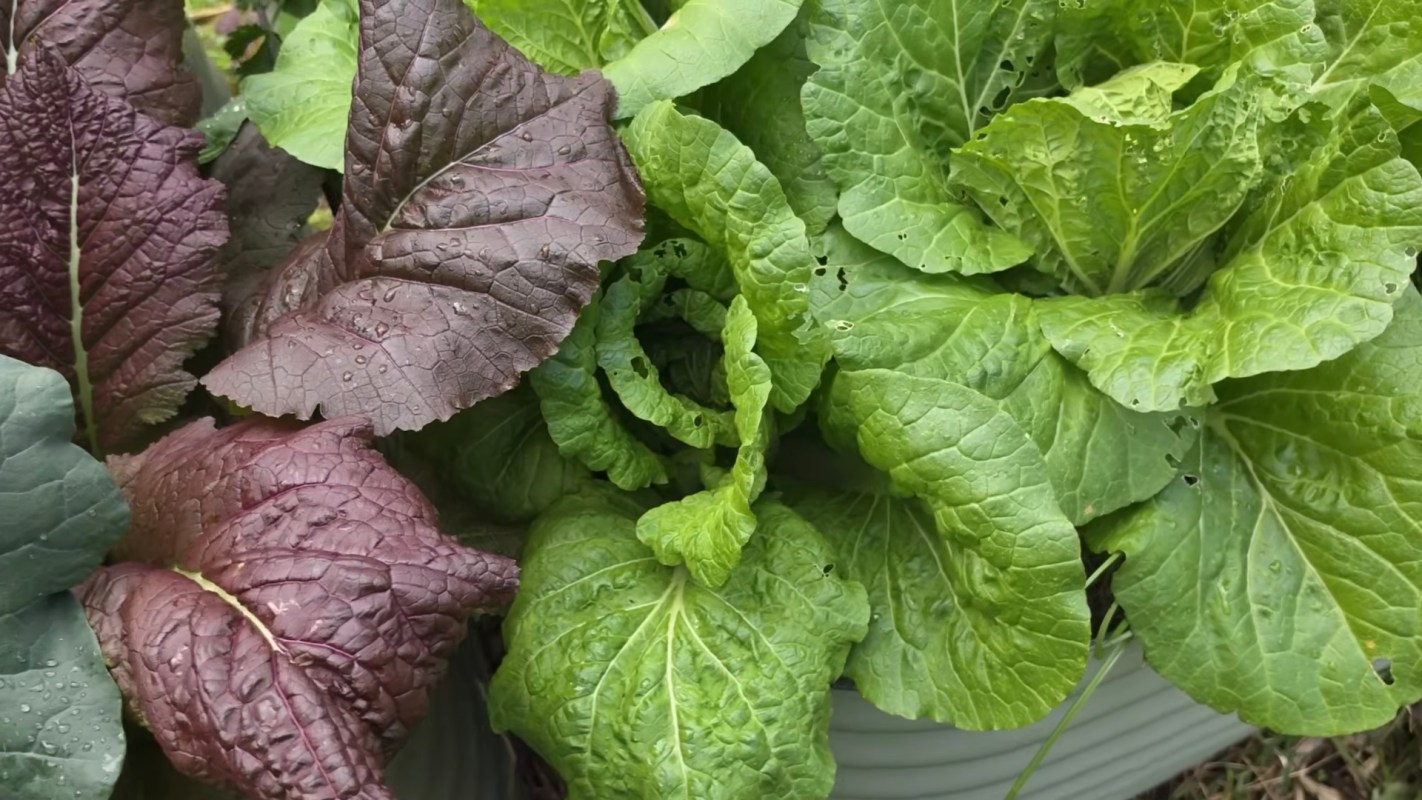
For plenty of gardeners, winter may sound like the wrong time to plant vegetables. But in hotter regions, the cooler season can actually be the sweet spot for a more productive backyard harvest.
That idea is at the center of a new gardening video from Mark, the content creator behind Self Sufficient Me (@Selfsufficientme), who argues that home growers in warmer climates may have better luck and better food in the winter.
What's happening?
Mark explains that for many home vegetable gardens, winter can be a stronger growing season than summer, particularly in warmer places where high heat often lingers.
His focus is on the advantages of cooler weather for crops that handle lower temperatures well. In the video, he walks through his winter growing.
Mark first highlights crops that do well in the winter, like cabbage, bok choy, peas, and broccoli. He says these plants can tolerate a light frost at temperatures around freezing.
He calls out leeks in the next grouping as one that can even tolerate harsher frost. Next up is celery, Chinese cabbage, banana peppers, and tomatoes. Mark concedes that the peppers and tomatoes are more sensitive to cold, and he's tried to add some help for the peppers to protect them.
TCD Picks » Quince Spotlight
💡These best-sellers from Quince deliver affordable, sustainable luxury for all




One upside of the cold is that large waspy fruit flies are less active in the winter, and that's why Mark still tries to make it work. Next up is potatoes, which he says are risky in the cold weather. Similar to the tomato and pepper discussion, the benefit of the colder temperatures is fewer pests.
Mark later adds that coriander, also known as cilantro, does better in the winter than expected. Japanese radish is another standout for him. He also calls garlic mandatory to give the crop proper time to flourish before it gets too hot.
Why does it matter?
For households trying to stretch a grocery budget, a productive home garden can lead to real savings on produce. Growing vegetables at home can also mean fresher ingredients and better flavor, since food can go from garden bed to kitchen without long shipping and storage times.
Gardening can provide light physical activity, more time outdoors, and a calming routine that supports mental well-being. Even a modest winter garden can add more vegetables to daily meals while giving people more control over their food supply.
When gardeners learn to make use of every season, they are less dependent on a single planting window. In warmer regions, that can help people avoid the frustration of heat-damaged crops and make better use of the months when conditions are naturally more favorable.
What can I do?
If you live in a warm or mild climate, winter may be a good time to experiment with cool-season planting. Start with vegetables known for handling lower temperatures better than heat-sensitive summer crops, and pay close attention to local conditions, including frost risk, daylight, and soil moisture.
It also helps to think seasonally instead of following one-size-fits-all gardening advice. A planting calendar designed for cold northern winters may not match what works in subtropical or warm coastal areas.
Looking at your own climate first can improve both yield and effort. Also, considering what crops are falling prey to pests might provide some inspiration for what to grow in the winter.

Get TCD's free newsletters for easy tips, smart advice, and a chance to earn $5,000 toward home upgrades. To see more stories like this one, change your Google preferences here.






