


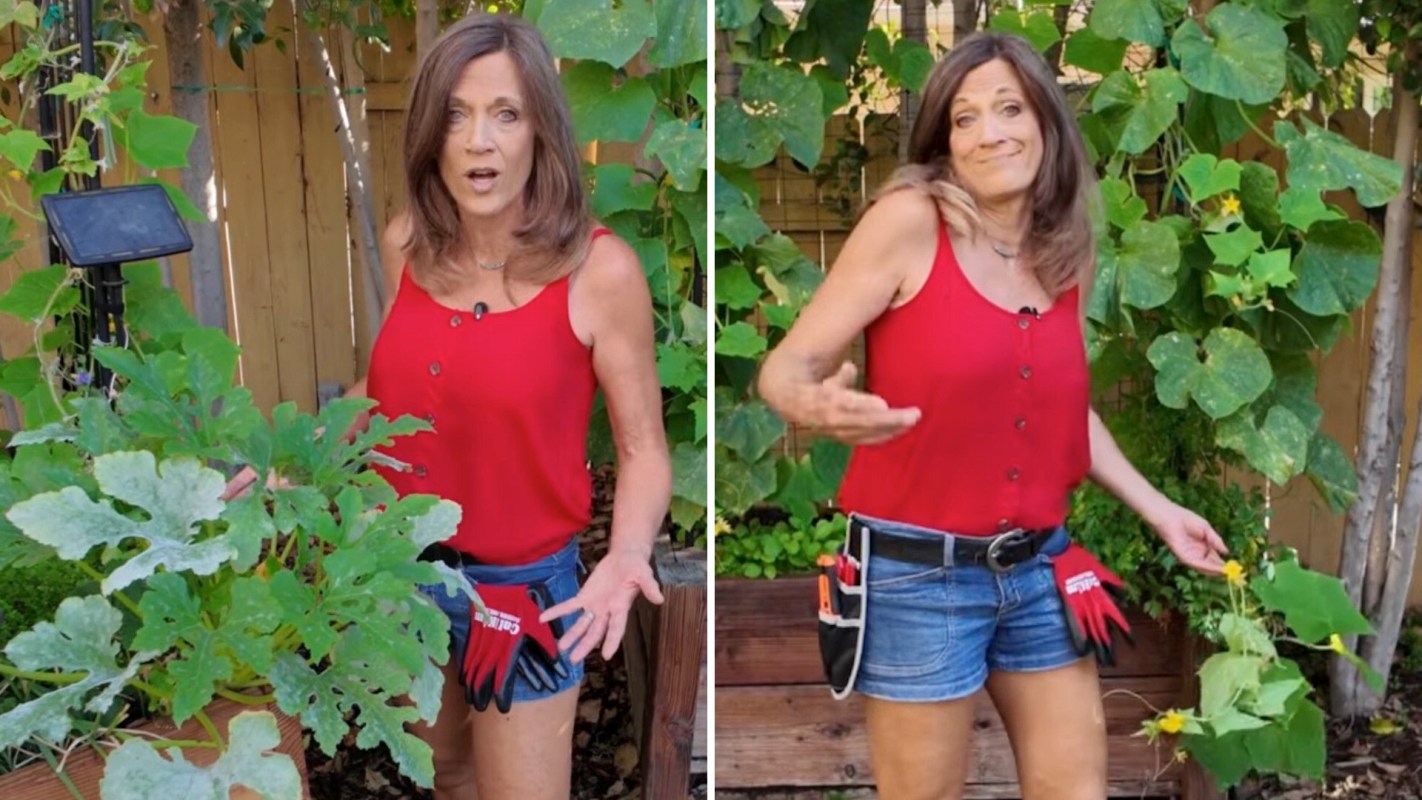
Summer is when home gardens are supposed to be delivering, but a few overlooked problems can quickly turn into a disappointing harvest. In a recent video, California-based backyard food-gardening creator CaliKim Garden & Home highlighted three common warm-weather issues that can quietly damage vegetables before growers realize what is happening.
What's happening?
The video centered on powdery mildew, plant heat stress, and rodent damage, along with low-cost, organic ways to address each issue.
The description emphasizes how easy these issues are to underestimate at first. "Small summer garden problems can get worse fast — especially in the heat," the video description noted.
Midsummer is often when tomatoes, cucumbers, squash, peppers, and other vegetables are producing heavily. Problems that spread in hot weather can reduce both the quantity and the quality of a harvest.
The video description also noted that "you may not notice what's happening until your plants and harvest are already being affected."
Why does it matter?
For many households, a vegetable garden is about more than a hobby. Growing food at home can help lower grocery costs, especially as produce prices rise, and many gardeners say homegrown fruits and vegetables taste better than store-bought options.
TCD Picks » Quince Spotlight
💡These best-sellers from Quince deliver affordable, sustainable luxury for all




There are health benefits as well. Gardening keeps people active, encourages time outdoors, and can support mental well-being by reducing stress and providing a rewarding routine. When a summer crop suddenly declines, growers do not just lose produce — they can also lose some of the motivation and enjoyment that keeps them gardening.
Because mildew, heat stress, and animal damage can appear minor at the beginning, gardeners may dismiss them. A dusty-looking patch on a leaf, a wilted plant during extreme heat, or a few chew marks on ripening produce can all become more serious in peak summer conditions.
What can I do?
Gardeners can make a habit of checking plants closely during hot spells, watching for white fungal growth on leaves, signs of heat stress such as wilting or scorched foliage, and evidence that animals are chewing on fruit or digging around garden beds.
Dealing with these problems while they are still limited makes it easier to rely on inexpensive, organic approaches and avoid bigger losses later. In many situations, small changes made in time can stop damage from moving through an entire bed.
It also helps to stay consistent with basic summer garden care: monitor watering, avoid letting stressed plants go unchecked for days, and protect vulnerable crops as soon as pest activity appears.

Get TCD's free newsletters for easy tips, smart advice, and a chance to earn $5,000 toward home upgrades. To see more stories like this one, change your Google preferences here.






