


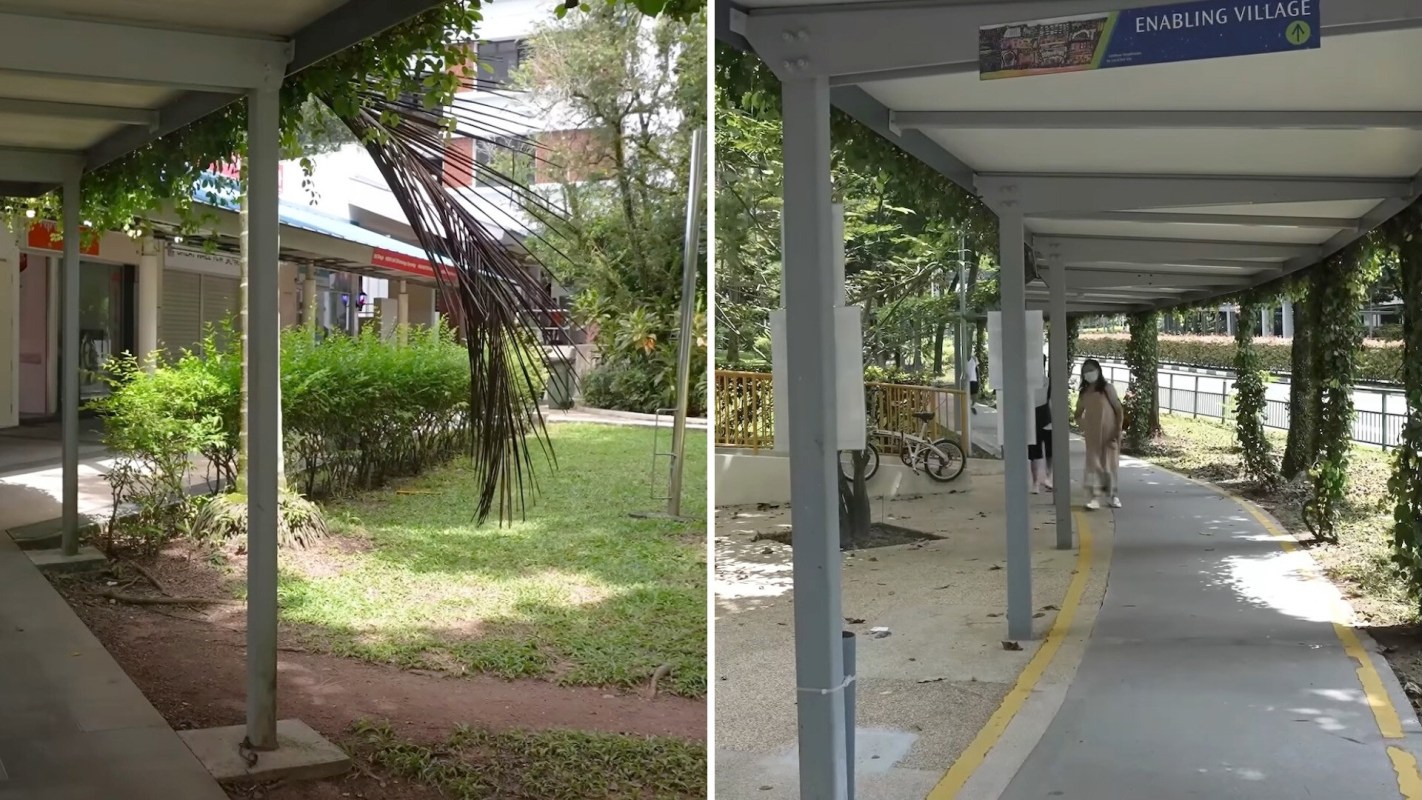
When humidity makes 30-degree-Celsius days feel closer to 40 (that's over 100 degrees Fahrenheit), getting around on foot can quickly become draining. But Singapore is offering a different model, showing how shade, fans, and smart transit design can make life in a hot city far more manageable.
What's happening?
Content creator Not Just Bikes described Singapore as exceptionally prepared for high heat. In the recently posted video, they pointed to cooled Mass Rapid Transit (MRT) system stations, trains, and buses, as well as indoor links that connect transit directly to malls, offices, and housing.
Outside, the city has also built in ways to reduce heat stress. Sheltered sidewalks are widespread, even beyond the urban core, and many public spaces rely on open-air design and ceiling fans to stay comfortable without depending only on strong air conditioning.
The network is growing, too. Three new Circle Line stations began operating, completing the loop and bringing service into an area planned for future mixed-use development. Overall, Singapore has more than 170 MRT stations, and the government wants four out of five households to be within a 10-minute walk of one by the early 2030s.
Why does this matter?
Extreme heat is becoming an increasingly serious challenge in cities around the world, and transportation design can either make day-to-day life harder or help people adapt. If getting to a bus stop means standing beside a wide road with no shade, many people will likely default to driving if they can.
Singapore's example suggests that heat adaptation is not just about adding more air conditioning. It can also mean designing the whole trip more carefully, with features like platform screen doors that help stations stay cooler, sheltered walkways that cut sun exposure, and neighborhoods organized around transit instead of pushing residents toward cars.
TCD Picks » Quince Spotlight
💡These best-sellers from Quince deliver affordable, sustainable luxury for all




Safer, more comfortable streets can also help older adults, children, and people with disabilities stay mobile.
One commenter who lives in Singapore wrote, "I benefited from the improvements tremendously as a young and able-bodied person, I feel safer and it's so much easier to cross the street now that cars are much slower."
What's being done?
Singapore is not a perfect urbanist paradise. Wide roads, highways, and long pedestrian crossings still shape much of the island. But the city has also been testing practical improvements rather than waiting for a total overhaul.
Among those efforts are its "silver zones," according to Not Just Bikes, which focus on neighborhoods with larger older populations. The first pilot, launched in 2014, slowed traffic with narrower lanes, a curving street layout, raised crossings, refuge islands, lower 19-mile-per-hour (30-kilometer-per-hour) speed limits, and longer crossing times across roads for seniors. The program has grown to more than 50 zones, though some are clearly more robust than others.
Elsewhere, changes have gone beyond those zones. Bencoolen Street, for example, went from four car lanes to two, freeing up room for broader sidewalks, greenery, benches, bicycle parking, bike lanes, and covered routes to bus stops. Singapore is also building transit before future development is fully in place in some areas, which could help prevent car dependence from taking hold.
As Not Just Bikes phrased it, "Everything was designed to make it comfortable to travel around without a car, even in a city as hot as this."

Get TCD's free newsletters for easy tips, smart advice, and a chance to earn $5,000 toward home upgrades. To see more stories like this one, change your Google preferences here.






