


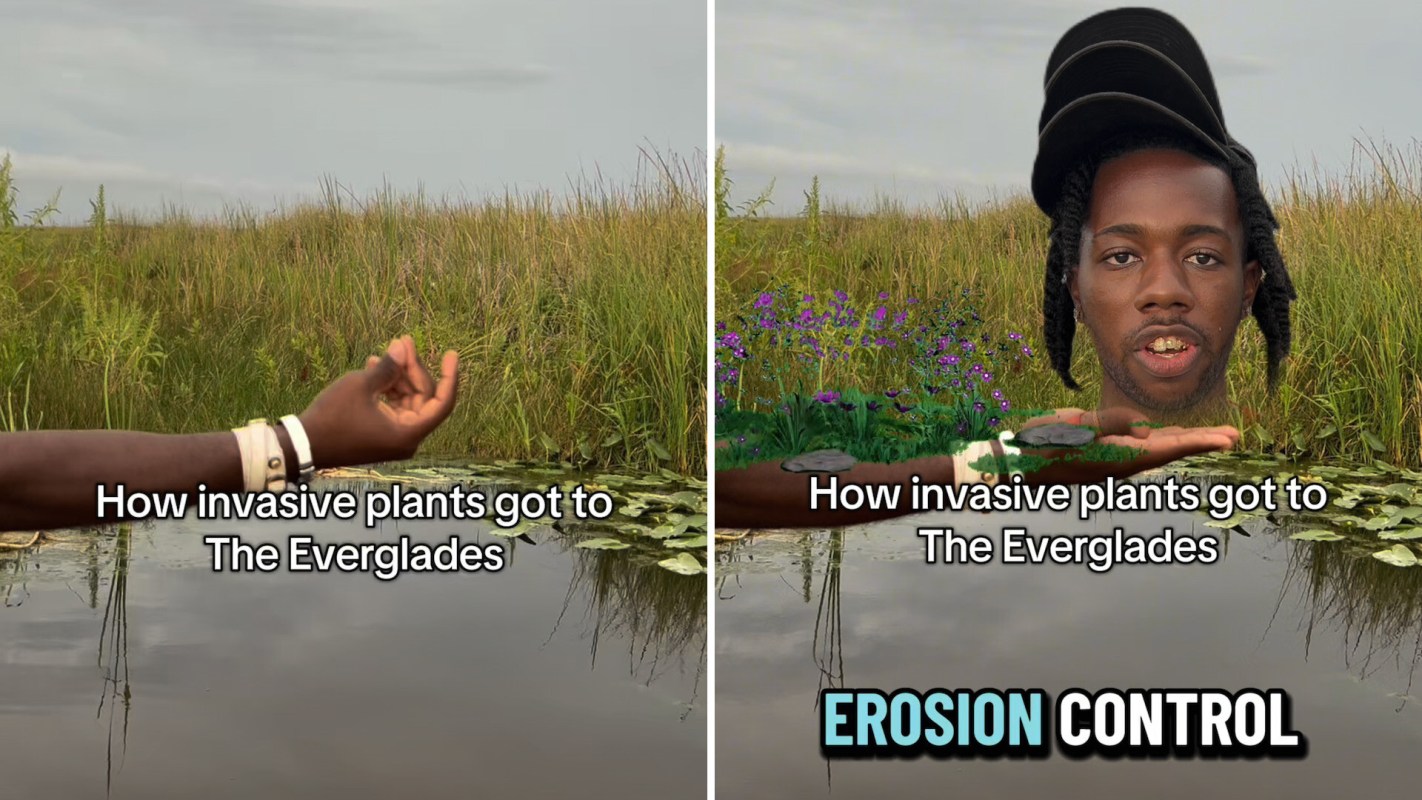
What may look beautiful in a backyard garden can become a major problem once it escapes into one of the country's most delicate ecosystems.
In a recent explainer, Everglades scientist and content creator Jordon (@kidflamesss) broke down how ornamental plants ended up in Florida's famous wetlands.
What's happening?
The creator traced part of the Everglades' invasive plant problem to intentional introductions, saying some species arrived because "they look attractive in gardens" and were also used for "erosion control and other agricultural purposes."
@kidflamesss There are a few plants that are invasive in the Everglades and this is how they got here. #biologist #wetlands #invasivespecies #botany #stem ♬ original sound - Jordon
The video also points to birds as one way those plants spread after introduction, with the creator saying that "the seeds from these plants attach themselves to birds feet, and then the birds spread it naturally into the Everglades over time."
Other forms of transport matter too. According to the creator, "Seeds can also hitchhike to vehicles, boats, and also imported soil." Everyday human activity, including landscaping, construction, travel, and transport, can unintentionally push invasive species deeper into vulnerable habitats.
Jordon's easygoing approach to explaining things resonated with viewers.
TCD Picks » Quince Spotlight
💡These best-sellers from Quince deliver affordable, sustainable luxury for all




"Better than what my teacher teaches," a commenter wrote.
Why does it matter?
The Everglades is far more than a scenic landscape. It is a living system that supports wildlife, water flow, and nearby communities. When invasive plants take root, they can crowd out native vegetation, alter habitats, and make restoration efforts more difficult and costly.
Slower restoration can also mean slower progress toward healthier wetlands that support biodiversity and strengthen the natural systems many Floridians depend on. When ecosystems fall out of balance, communities often face higher management costs, weaker habitat health, and greater strain on already at-risk landscapes.
Environmental damage is not always triggered by one dramatic event. Sometimes it starts with routine choices, such as introducing nonnative plants for decoration or convenience, before expanding into a much larger regional problem through birds, traffic, and trade.
What's being done?
Education remains one of the clearest tools available. By showing how invasive plants spread, Jordon explains that prevention begins long before a species reaches protected land.
For homeowners and gardeners, that can mean taking more care with what gets planted in yards and community spaces. Choosing native or well-vetted plants can help reduce the risk of giving invasive species a foothold. It can also help to be mindful about moving soil, cleaning boats, and checking vehicles or gear that travel between natural areas.
On a broader level, invasive species management often depends on a mix of monitoring, removal, public awareness, and restoration. None of those approaches are quick fixes, but preventing new introductions can save time, money, and habitat.

Get TCD's free newsletters for easy tips, smart advice, and a chance to earn $5,000 toward home upgrades. To see more stories like this one, change your Google preferences here.






