


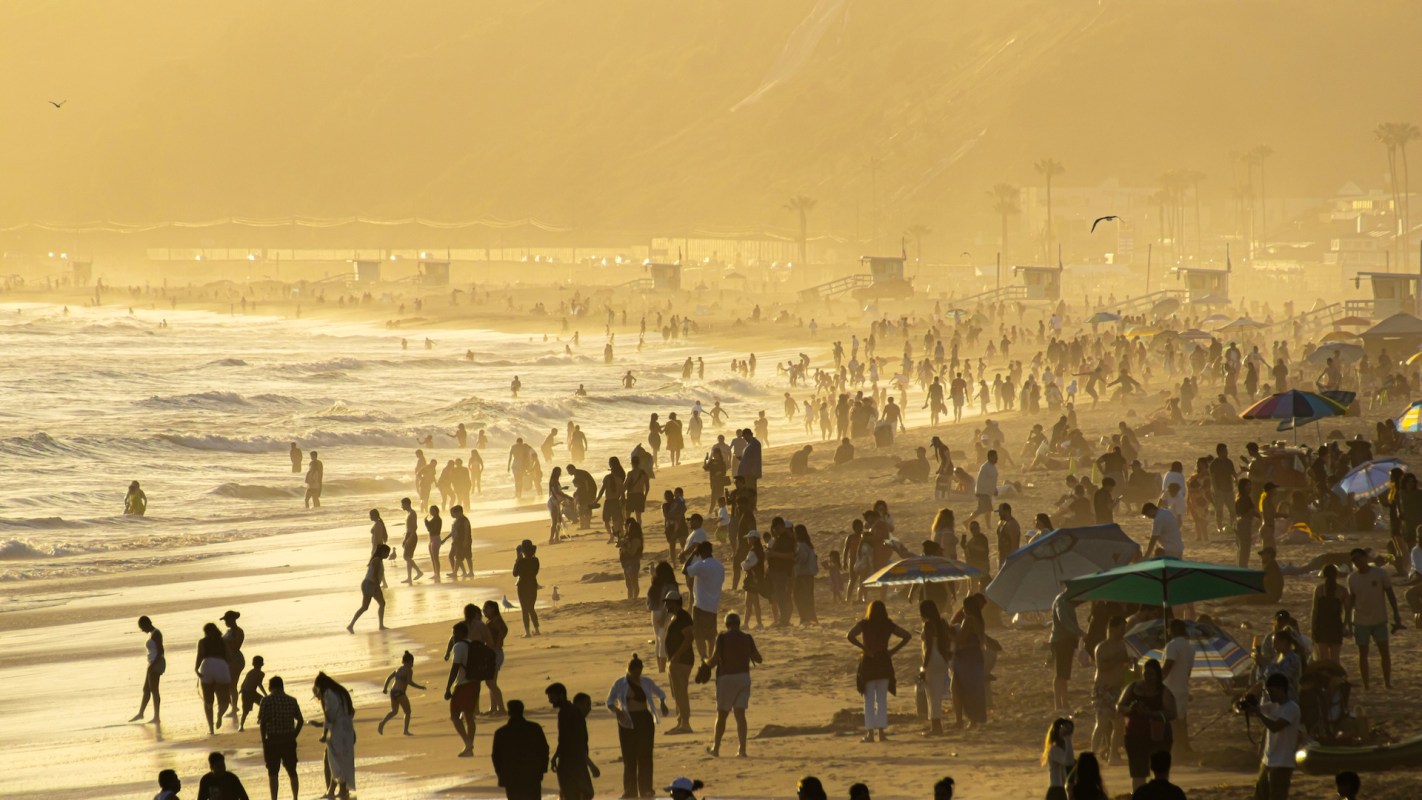
Los Angeles is no stranger to hot summer weather, but an unusually warm stretch of the Pacific Ocean is driving up humidity across Southern California. Bloomberg reported that the humidity will make temperatures in the upper 80s feel several degrees hotter in a region better known for dry heat.
What's happening?
A marine heat wave covering a large part of the Pacific is warming waters near Southern California, according to Bloomberg.
That warmer ocean water is adding extra moisture to the atmosphere, creating unusually sticky conditions in a region that usually avoids intense summer humidity.
Jennifer Francis, a senior scientist at the Woodwell Climate Research Center, explained that while the ocean heat wave may be the short-term trigger, the larger force behind it is a warming climate.
"This marine heat wave has fingerprints of human-caused climate change all over it," Francis observed.
Tom Kines, a meteorologist with AccuWeather, noted that light onshore winds are helping move that added moisture inland.
TCD Picks » Quince Spotlight
💡These best-sellers from Quince deliver affordable, sustainable luxury for all




"Downtown LA has been getting close to 90 F," Kines stated. "When you factor in the dew points, it has been feeling like four to eight degrees higher than the actual temperature."
The National Weather Service noted that when the air temperature reaches 90 degrees Fahrenheit, and relative humidity climbs to 60%, it can feel closer to 100 degrees.
Direct sunlight can make it feel up to 15 degrees hotter.
Why is this concerning?
High humidity makes heat more dangerous because the body depends on sweat evaporating to release heat.
When the air already holds a lot of moisture, that process slows down, making it harder for us to cool off naturally.
That can raise the risk of heat exhaustion and other heat-related illnesses, especially for people who are more susceptible to temperature increases and anyone spending long periods outside.
A muggier day that feels several degrees hotter can also lead more households to use air conditioning more often or for longer stretches, increasing electricity demand.
Francis said the hot waters off California are separate from El Niño near Peru and the equator. But they do fit into the overarching pattern of overheated oceans that is intensifying a summer of extreme heat with many wildfires and floods.
What can I do?
Pay attention to how hot it feels instead of what the thermometer says. Everyone reacts to heat differently, so it's important to stay in tune with any symptoms your body may be experiencing.
Heat index forecasts can also provide a clearer picture of risk when humidity rises.
Residents can also reduce their exposure by shifting exercise or outdoor chores to the early morning or evening, drinking water regularly, taking breaks in shaded or air-conditioned spaces. If possible, check in on neighbors who may be more vulnerable during heat waves.
Inside the home, closing blinds during the hottest part of the day, using fans strategically, and avoiding heat-producing appliances like ovens can help keep indoor temperatures lower. If air conditioning is not available, cooling centers, libraries, and community buildings may offer relief.

Get TCD's free newsletters for easy tips, smart advice, and a chance to earn $5,000 toward home upgrades. To see more stories like this one, change your Google preferences here.






