


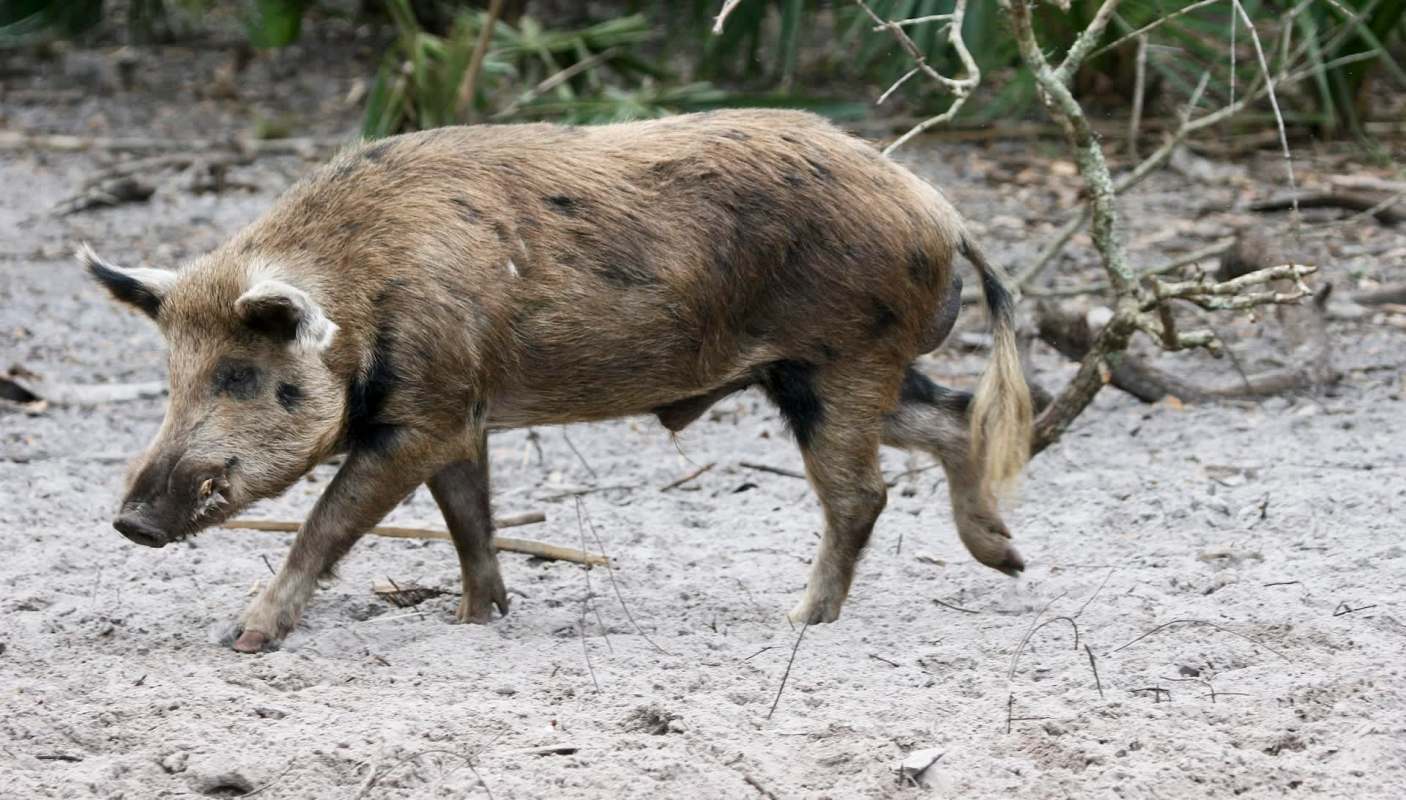
Millions of feral hogs now occupy parts of the United States, and the destruction they cause reaches far beyond churned-up ground — they damage crops, degrade ecosystems, and pollute water sources that communities rely on.
Because they are so hard to contain, what might be dismissed as a rural annoyance is becoming a broader danger to farmers and wildlife, Yahoo recently relayed from A-Z Animals.
What's happening?
Feral hogs have established a strong presence across multiple states and regions.
Their population is in the millions, and they are considered one of the country's most destructive invasive animals because they rip up farmland, wreck native habitats, pollute waterways, and threaten other species.
This is not an isolated pest issue confined to a few spots.
It is affecting both working land and natural areas, and feral hogs' strength, adaptability, and ability to spread quickly make them especially disruptive. Their rooting behavior can devastate crops and pastures in a short amount of time.
TCD Picks » Quince Spotlight
💡These best-sellers from Quince deliver affordable, sustainable luxury for all




Damage to farms, ecosystems, and wildlife all at once is one reason their spread has been so hard to slow.
Why does it matter?
The impact of feral hogs is not limited to remote wild areas.
When feral hogs destroy farmland, the losses can fall directly on producers and reverberate throughout the supply chain.
Water pollution and ecosystem damage add another layer of concern. When waterways are fouled and habitats are degraded, the harm can extend to other animals as well.
Restoring habitats, protecting biodiversity, and keeping water clean all become harder when invasive species are constantly undermining that work.
The problem is not just about wild pigs.
Invasive species can drain resources, threaten livelihoods, and make it more difficult for communities to protect the natural systems they depend on.
What's being done about the feral hog population?
Efforts to control feral hogs are becoming more challenging because the animals reproduce and spread so quickly.
For now, the aim is to curb their expansion and reduce the damage they do to farms, habitats, and water sources.
Once an invasive species reaches the scale of millions, the challenge becomes far harder to reverse. Feral hogs show how one invasive species can hit agriculture, wildlife habitat, and water systems all at the same time.

Get TCD's free newsletters for easy tips, smart advice, and a chance to earn $5,000 toward home upgrades. To see more stories like this one, change your Google preferences here.







