


Sometimes a picture really does say it all.
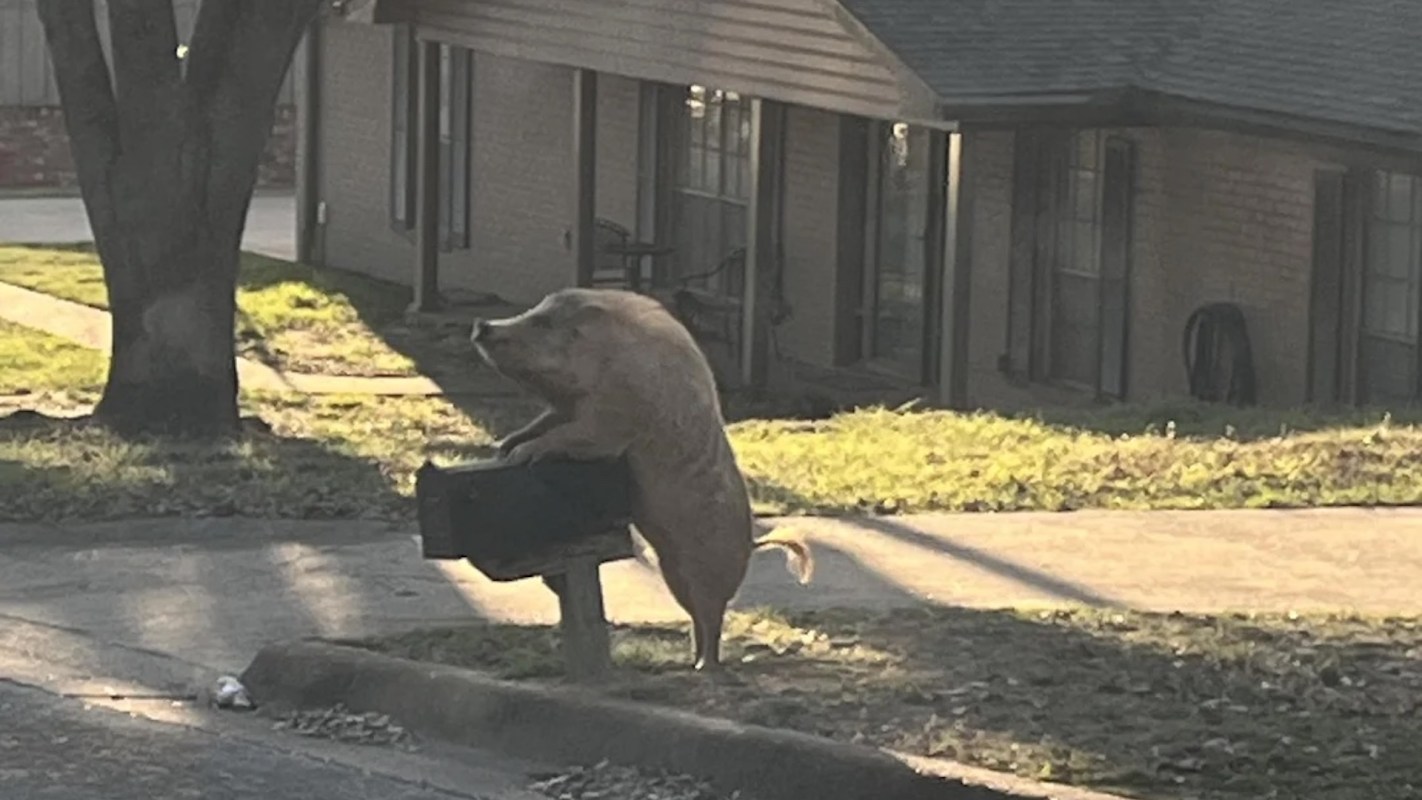
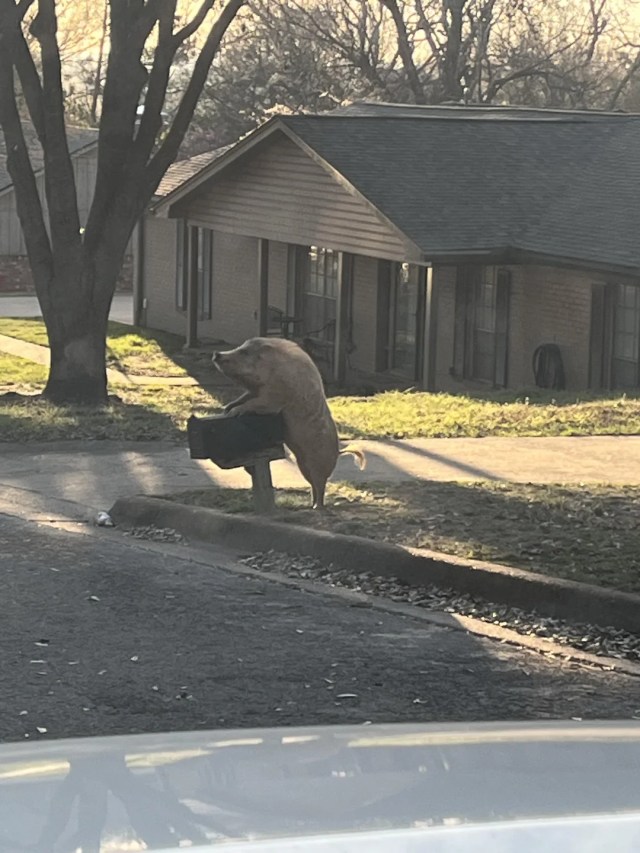
Readers didn't need much explanation when an image from East Texas began circulating on Reddit. It showed a wild hog mounting a roadside mailbox, and the reaction was a blend of shock, humor, and fascination.
What happened?
The photo was posted to Reddit and was captioned: "I woke up this morning in East Texas to a wild hog makin' bacon with a mailbox."
Jokes filled the comment thread as the post racked up tens of thousands of upvotes.
Among the best-liked replies was a short pun: "Spam mail."
Another user joked, "Did he raise the little red flag when he was done?"
TCD Picks » Quince Spotlight
💡These best-sellers from Quince deliver affordable, sustainable luxury for all




What makes this unusual and hilarious sight even more surprising was that it was right by a residential road — not in the wilderness where one might expect to see a wild hog.
Why does it matter?
While the scene is a funny sight, moments like this underscore a serious trend: wildlife and humans are crossing paths more often as development spreads and natural habitat becomes more fragmented.
As neighborhoods, roads, yards, and utility corridors push into wild areas, animals are left to navigate a landscape full of unfamiliar structures, easy food sources, and constant disturbance. That can lead to unpredictable behavior around homes and in public spaces.
For people living in rural or semi-rural areas, that can mean damaged property, unsafe roads, torn-up yards, and more tense day-to-day encounters close to home. Feral hogs in particular can be destructive and dangerous when cornered or stressed.
A bizarre mailbox moment can also point to a deeper imbalance between built environments and the wildlife still trying to move through them.
What can I do?
If you live in an area where feral hogs or other large wildlife are common, one of the best ways to prevent encounters is by removing things that attract them. Your mailbox is probably safe — but unsecured trash, outdoor pet food, gardens, and other edible items can make your property more appealing to wildlife.
Keep your distance. If a wild animal is lingering near a mailbox, driveway, porch, or road, avoid approaching it or trying to drive it away at close range. Instead, call local animal control or wildlife officials since they are better equipped to handle the situation safely.
On a broader level, communities can reduce these encounters by improving waste management, preserving connected habitat, and planning development with wildlife movement in mind.
Individual action will not solve every conflict, but it can lower the chances of bringing animals into close contact with daily life.
One user summed up the shock simply: "I don't even know what to say."

Get TCD's free newsletters for easy tips, smart advice, and a chance to earn $5,000 toward home upgrades. To see more stories like this one, change your Google preferences here.






