


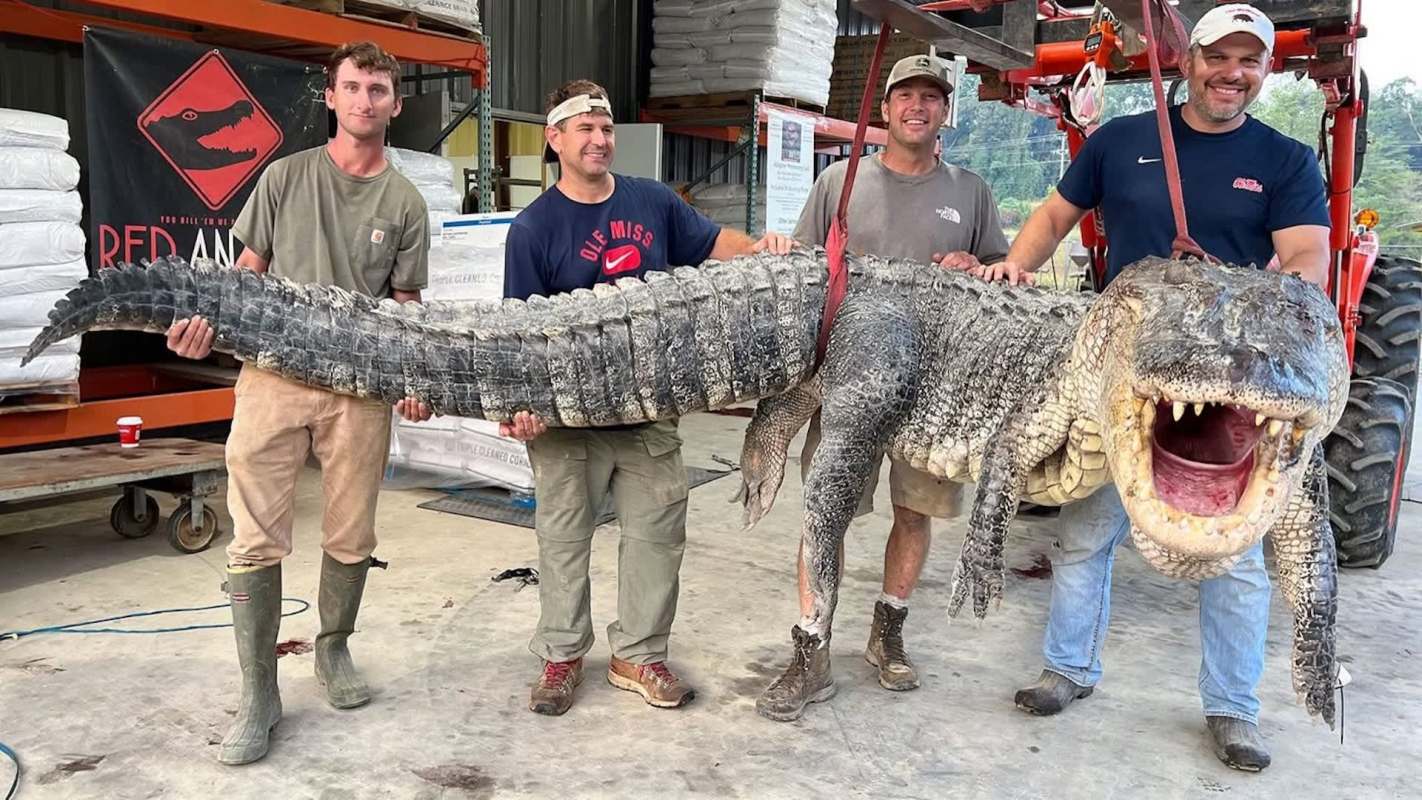
The Mississippi River supports some of North America's most formidable wildlife, and the American alligator is among its most striking residents. One individual, however, earned a category of its own as the biggest gator ever taken from the Mississippi River.
What happened?
A recent video feature shared by Yahoo.com from A-Z Animals looked back at the reptile's record-setting story, centering on the extraordinary catch that set a new benchmark for how large an alligator from the Mississippi River can become.
Caught in 2013, the alligator measured 13 feet long and weighed 727 pounds.
Alligators are well suited to the Mississippi River system, where conditions are nearly ideal for them. Wetlands, marshes, backwaters, and quieter channels give them cover, access to prey, and space to keep growing over many years.
Why does it matter?
Such animals offer a glimpse into the scale and resilience of river ecosystems that can still support large apex predators.
When animals reach exceptional size, it often reflects a combination of time, habitat quality, and food availability. In that sense, a giant alligator can serve as evidence of how productive and complex the river's surrounding wetlands remain.
TCD Picks » Good Store Spotlight
Get 10% off your next purchase with code TCD10




The Mississippi is not just a scenic or commercial waterway. It is also a living habitat shared with powerful animals that deserve caution and respect.
For communities near Southern waterways, understanding that large alligators inhabit these areas can help encourage safer behavior outdoors, whether people are fishing, boating, kayaking, or simply walking near marshy banks.
What's being done?
Across the South, wildlife management has long focused on balancing conservation with public safety. Alligator populations are monitored through habitat oversight, population tracking, and regulated hunting rules designed to prevent overharvesting while still managing interactions with people.
The most practical steps are to keep a safe distance, never feed alligators, avoid letting pets roam near shorelines, and stay alert around still or slow-moving water, especially at dawn and dusk.
A giant alligator may be rare enough to make headlines, but it is still part of a larger ecosystem that depends on healthy wetlands, informed management, and common-sense behavior from humans.

Get TCD's free newsletters for easy tips, smart advice, and a chance to earn $5,000 toward home upgrades. To see more stories like this one, change your Google preferences here.







