


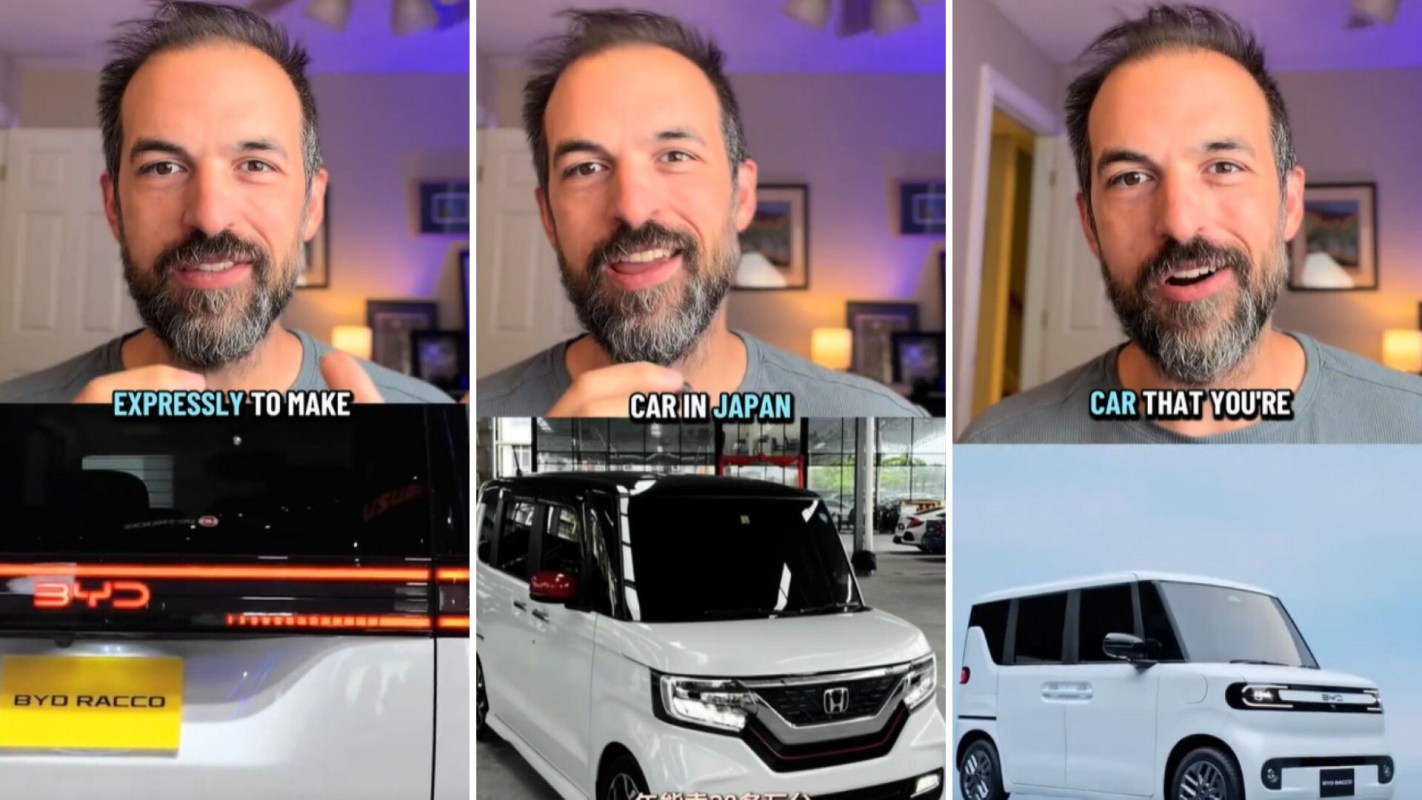
A TikTok breakdown suggests BYD's next move in Japan could be a tiny electric vehicle aimed at the kei-car class.
If the figures shared in the clip by creator molesrcool (@molesrcool) are accurate, the vehicle could beat the Nissan Sakura on range while coming in at a lower starting price.
What's happening?
Molesrcool highlighted BYD's reported work on a kei-class electric vehicle, framing it as part of the company's effort to gain traction in Japan's market for small, low-cost cars.
@molesrcool BYD now has Japan in their sights #keicar #keivan #electricvehicle ♬ Vlog Video work Fashionable BGM(847726) - Tsuyoshi_san
In the video's comparison, the Honda N-Box was identified as Japan's top-selling vehicle overall, while the Nissan Sakura was described as the country's best-selling EV. Both were said to belong to the kei-car segment.
The video listed the Honda N-Box at about $10,500 and said BYD's new model, called the Raco in the clip, would start around $13,100. It also said Japan's EV incentive could trim roughly $900 from that entry price.
At the higher end, the creator said the BYD could reach about 200 miles of range for around $15,000, putting it conveniently near the Nissan Sakura's starting price. The base BYD was described as offering about 130 miles, compared with 112 miles for the Sakura.
TCD Picks » Quince Spotlight
💡These best-sellers from Quince deliver affordable, sustainable luxury for all




As molesrcool put it, "This thing is laser targeted to be a huge hit in Japan."
Why does it matter?
Kei cars are designed for short trips, crowded streets, easy parking, and lower ownership costs.
A lower-priced electric option could make EV adoption more realistic for a much larger group of drivers. That could be especially appealing because EVs can save drivers money over time.
They typically cost less to fuel than gas-powered cars and usually require less routine maintenance, since they do not need oil changes and have fewer moving parts that wear out.
Japan's kei market has long been associated with domestic automakers. A competitive EV from BYD could put pressure on pricing and features in a segment many consumers rely on every day.
The competition made some American consumers jealous.
One commenter reacted: "Why can't we have little cars in the U.S. anymore?!? Every car is just getting bigger and bigger!"
What's being done?
BYD's reported strategy is straightforward in offering an EV that fits the way people actually drive in cities instead of chasing oversized vehicles with oversized price tags.
In molesrcool's words, the Raco "absolutely smokes the Sakura in terms of value," and "I wish I could have one of these electric K cars, they seem so cool."
If it succeeds, that could help normalize smaller, cheaper EVs in more markets.
"Kei car should be [the] default size of a car worldwide," one commenter argued.
For drivers who mostly stay local, a modest battery may be more than enough.
"Honestly if you're just running around the city in that, the extra range just gets you a couple more days without having to go to a public charger," a viewer added.

Get TCD's free newsletters for easy tips, smart advice, and a chance to earn $5,000 toward home upgrades. To see more stories like this one, change your Google preferences here.






