


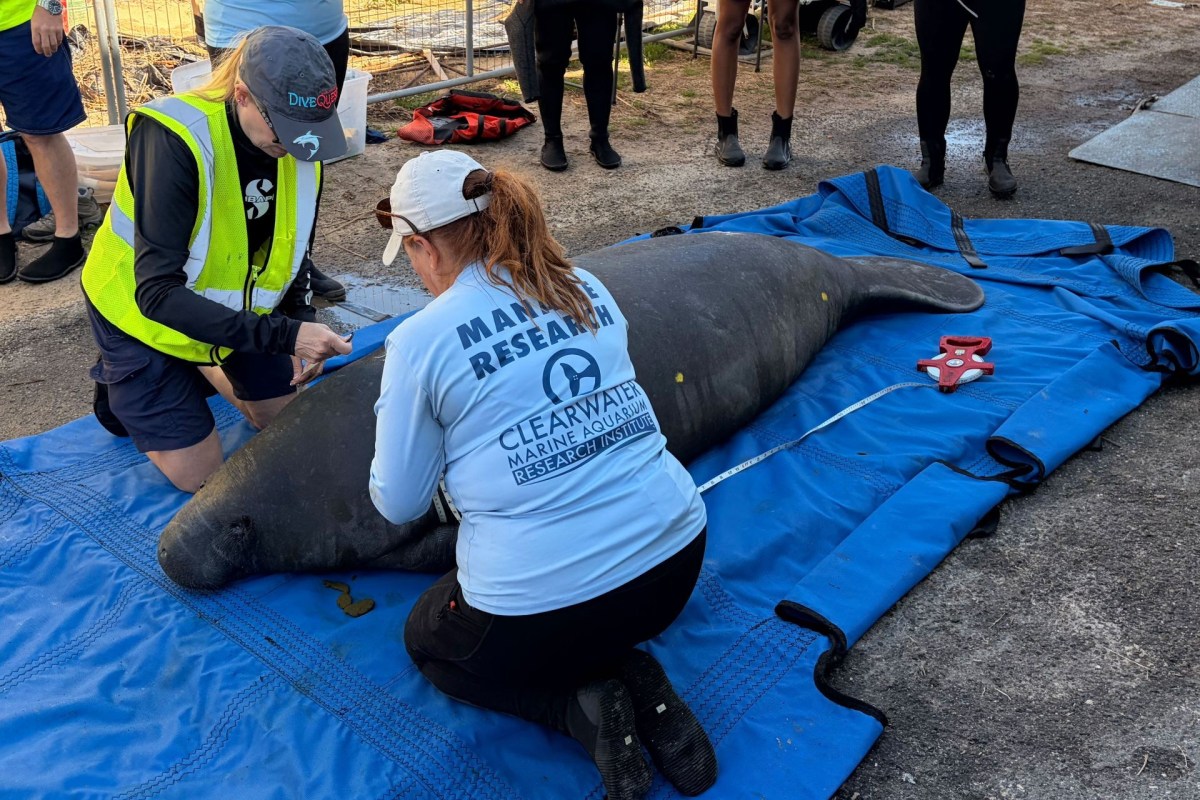
After a lengthy rehabilitation, more than 20 manatees are back in Florida waters, marking an encouraging moment for the species.
The releases illustrate how wildlife recovery often depends on a broad network of people working behind the scenes to give animals a second chance, as the Association of Zoos and Aquariums detailed.
What happened?
The Manatee Rescue & Rehabilitation Partnership announced in a press release that more than 20 manatees were returned to their native Florida waters after years of rescue, treatment, and rehabilitation.
AZA-accredited partners in the effort included SeaWorld Orlando, Zoo Miami, Columbus Zoo and Aquarium, Georgia Aquarium, Brevard Zoo, Mote Marine Laboratory and Aquarium, Cincinnati Zoo and Botanical Garden, ZooTampa at Lowry Park, and The Seas with Nemo and Friends at EPCOT.
Each animal entered care during ongoing rescue work that stretched across multiple years, and release came only after experts determined the manatees could survive in the wild.
"These releases are the reason we do what we do," said Lindsay Garrett, Manatee Springs
TCD Picks » Quince Spotlight
💡These best-sellers from Quince deliver affordable, sustainable luxury for all




keeper at the Cincinnati Zoo, in the release. "We are so excited to see them start the next chapter of their lives swimming in their native Florida waters."
The releases reflect the level of coordination required to care for large marine mammals. The process depends on sustained collaboration rather than a single rescue moment.
"What's special about the MRP is the way it brings organizations together through a coordinated network of partners, extending the reach of manatee conservation far beyond Florida," explained Becky Ellsworth, curator of the Columbus Zoo's Shores and Aquarium region, in the release.
Why does it matter?
Manatees are among Florida's most recognizable animals, and their well-being is closely tied to the health of the state's waterways. When manatees struggle, it can signal broader environmental problems affecting coastal ecosystems that people rely on as well.
Florida communities depend on clean aquatic environments for recreation, tourism, fishing, and local economies. Protecting species like manatees can help sustain the natural systems that benefit both residents and visitors.
Rehabilitation is not quick, and animals often need extensive medical care, safe housing, and ongoing observation before they can survive on their own again. Garrett provided a startling example.
"Our job is to get them to a releasable weight, and that is what we did," she said in the release. "The manatees ate approximately 60,240 lbs. of lettuce during their stay at the Cincinnati Zoo."
What's being done?
A coalition of accredited zoos and aquariums carried out the rescue and rehabilitation work that made these releases possible. Sharing that responsibility across institutions allows animals to receive care over long periods.
AZA-accredited institutions support rescue and rehabilitation efforts. In cases like these, rehabilitation centers act as a bridge between crisis and release, helping injured or vulnerable animals recover enough to live independently.
"Manatees are an iconic species in Florida, and their conservation affects us all," MRP president Tiffany Burns said in the release. "As these sea cows continue to face significant threats to their survival, it is more important than ever that we dedicate our time, energy, and resources to securing their future."

Get TCD's free newsletters for easy tips, smart advice, and a chance to earn $5,000 toward home upgrades. To see more stories like this one, change your Google preferences here.







